It’s time to prepare your lawn for the summer months. If weeds have spread across your yard, you don’t need to rely solely on harsh chemical herbicides. Below are several effective, low-toxicity options for managing weeds naturally, along with practical application tips and cautions to protect desirable plants and soil health.
Vinegar – Household vinegar can be effective against many common weeds, especially when applied on a sunny day. Multiple treatments are often necessary because vinegar burns foliage but does not always kill deep-rooted plants. Apply on dry days with no rain forecast so the solution has time to work.
Cornmeal – Finely ground cornmeal (not corn flour used for baking) can help prevent weed seeds from germinating when sprinkled over soil. Avoid using it where you plan to sow desirable seeds, since it may interfere with germination. An added benefit is that cornmeal can attract earthworms, which aerate and improve soil structure.
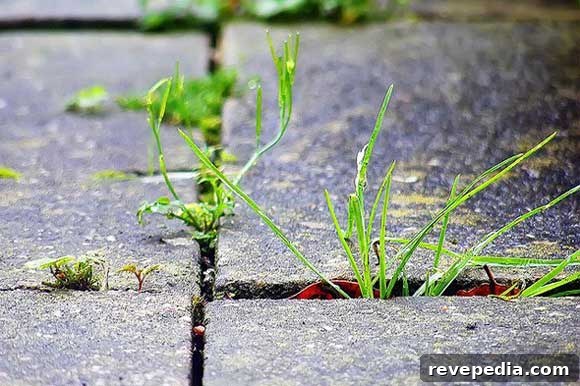
Boiling water – Pouring boiling water directly onto weeds is the simplest method to scorch and kill them. Use caution to avoid contact with desirable plants and prevent burns; this method is most suitable for cracks in driveways, paths, and other non-planted areas.
Salt – Salt can kill weeds by dehydrating them and contaminating soil, so apply it sparingly and only in areas where you do not intend to grow other plants, such as gravel paths or driveways. Excessive salt can persist in soil, harming beneficial organisms like fungi and earthworms and preventing future plant growth. A small amount targeted at the weed base is sufficient.
Weed-control barriers – Physical barriers are more involved but offer longer-lasting suppression. The principle is to block light and make it difficult for weeds to establish.
Newspaper – Layers of plain newspaper (without glossy or colored pages) make an inexpensive, biodegradable weed barrier. Remove any colored or glossy inserts first to avoid introducing inks or coatings into the soil. Overlap sheets and wet them down before covering with mulch to keep them in place.
Garden mulch over landscape fabric – A combination of weed-control fabric topped with organic mulch reduces light reaching weed seeds and slows their germination. While very persistent weeds may still push through, mulch over fabric helps retain soil moisture and slowly decomposes, improving soil over time. For best results, use sufficient mulch depth and periodically replenish it.
Commercial greener options – There are several environmentally friendlier herbicidal products intended for gardeners who want alternatives to conventional synthetic herbicides. Select a product formulated for the types of weeds you face and follow the label instructions for safe, effective use.
Horticultural vinegar products – These concentrates contain higher acetic acid content than household vinegar (for example, 20 percent acetic acid versus typical kitchen vinegar at around 5 percent). They are more potent and can be an effective organic-style alternative to conventional chemicals; handle them carefully and use protection as directed.
Fatty-acid herbicides (herbicidal soaps) – Products based on fatty acids work by breaking down and dehydrating plant tissue. They are typically effective on young, actively growing weeds, grasses, mosses, and algae. Because they act on contact, thorough coverage of foliage is important for success.
Choose any of these approaches based on the location of the weeds, the types of plants you want to protect, and your tolerance for repeat treatments. For persistent invasive species with deep roots, combining manual removal with targeted organic treatments and ongoing preventative measures—like mulching and barrier installation—gives the best long-term results. Always apply natural or commercial remedies carefully to avoid harming desirable plants and soil life.