Living in a compact home presents distinct storage challenges, but with smart planning and creative solutions you can make the most of every inch. This article outlines why efficient use of space matters, highlights inventive storage options, offers room-by-room strategies, and shares organizational methods and future trends to help you maximize small-space living.
Understanding the Challenges of Small Space Storage
The Importance of Efficient Space Utilization
When space is limited, efficiency becomes essential. Every square inch matters, so prioritize functionality and choose furniture and items that serve a purpose. Thoughtful selections reduce clutter and make a small space feel larger and more comfortable.
For example, in a compact bedroom, a single multifunctional piece—such as a combined desk and vanity—replaces two separate items and preserves valuable floor area while still providing distinct work and grooming zones.
Common Mistakes in Small Space Storage
A few recurring errors often undermine small-space organization. One is neglecting regular decluttering: unused belongings occupy space and create visual noise that makes rooms feel cramped. Another is failing to use vertical space—walls, doors, and tall cabinets are opportunities for storage that many overlook.
Avoid these pitfalls by routinely assessing what you own, donating or selling items you no longer need, and adding wall-mounted shelves or hanging organizers to keep belongings off the floor and neatly arranged.
Innovative Storage Solutions for Small Spaces
Multi-Purpose Furniture for Storage
Multi-purpose furniture transforms how small spaces function. Look for pieces with built-in storage—ottomans with hidden compartments, sofas with under-seat storage, or beds with drawers—to reduce clutter without sacrificing style. These dual-purpose items provide storage and complete the room’s design.
Practical examples include an ottoman that stores shoes and blankets, a bench with compartments for seasonal gear, or a modular piece that adapts as your needs change. Smart furniture choices let you combine comfort and utility while keeping the space tidy.
Vertical Storage: Making Use of Wall Space
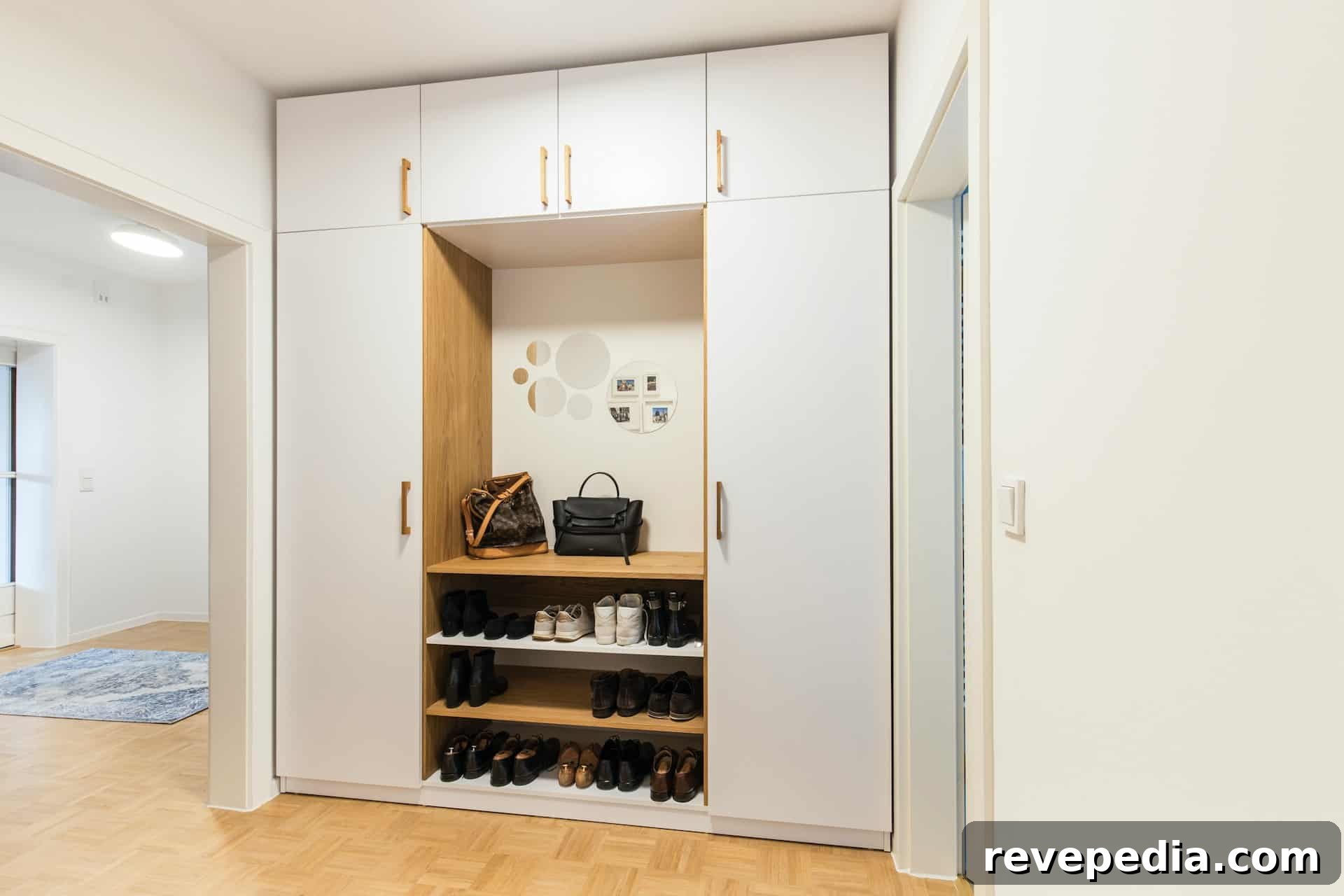
Using vertical space is one of the most effective ways to increase storage in a small home. Floating shelves, wall-mounted cabinets, and hanging organizers free floor space while creating display and storage zones for books, décor, and daily essentials.
In kitchens, wall-mounted racks for pots, magnetic knife strips, and spice shelves keep counters clear and streamline meal prep. In living areas and bedrooms, vertically arranged shelving can showcase personal items while keeping them accessible and out of the way.
Room-by-Room Storage Strategies
Kitchen Storage Solutions
Kitchens in small homes benefit from a combination of vertical solutions and smart organizers. Install open shelving or hanging racks for cookware and utensils to free countertop space. Use drawer dividers for cutlery and gadgets to keep drawers orderly and easy to navigate.
For pantries and cabinets, stackable containers and clear bins maximize usable volume and make it easier to see and access contents. Thoughtful containers and labels help you maintain an efficient, functional kitchen even in limited space.
Bedroom Storage Solutions
Bedrooms should be restful and uncluttered. Choose bed frames with built-in drawers or use under-bed storage bins to stow off-season clothing, bedding, or shoes. Adding bins or baskets beneath hanging garments makes use of otherwise wasted space.
Wall-mounted organizers for jewelry, scarves, or accessories keep small items visible and tangle-free, turning storage into a decorative feature while simplifying daily routines.
Living Room Storage Solutions
In living rooms, balance storage with comfort and aesthetics. Coffee tables or ottomans with hidden compartments hide remotes, blankets, and games. Open shelving or wall-mounted cabinets provide display space for books and art without cluttering the floor.
These choices let you showcase personal style while maintaining a tidy, multifunctional living area suitable for relaxing and entertaining.
Organizational Tips for Small Spaces
Decluttering: The First Step to Efficient Storage
Decluttering is the foundation of effective storage. Regularly review possessions and remove items you no longer use. Donate, sell, or recycle things that don’t add value to your daily life so you can focus storage on what truly matters.
Be mindful with sentimental items: keep what’s meaningful but avoid letting emotions prevent practical decisions. Reducing excess frees up space and simplifies maintenance.
The Role of Organization in Space Maximization
Organization amplifies the benefits of any storage system. Use containers, baskets, drawer dividers, and labeled bins to group similar items together. After a move or during seasonal changes, reorganize to ensure systems still meet your needs.
Think vertically—add hooks, shelves, and over-door organizers—and use under-bed or behind-door areas to expand storage without crowding living space. Consistent systems make small homes feel orderly and functional.
The Future of Small Space Storage
Technological Advances in Storage Solutions
Technology is starting to influence storage design. Motorized shelving, modular systems that shift on demand, and app-controlled configurations promise to make vertical and hidden storage more accessible and customizable for compact living.
Trends in Small Space Living and Storage
Current trends favor minimalist, multifunctional designs and modular furniture that adapts to changing needs. Emphasis on clean lines, integrated storage, and flexible layouts helps small homes remain stylish and highly usable.
In summary, clever storage for small spaces depends on understanding limitations, choosing multifunctional and vertical solutions, applying room-specific strategies, and maintaining strong organizational habits. As design and technology evolve, small-space living will continue to offer efficient, elegant options that make compact homes comfortable and highly functional.