
So a friend sold her home last spring and moved to Spain—an exciting dream of sun, tapas, and a new life. She spent weeks buried in shipping quotes and visa forums, laser-focused on the overseas logistics. The house she was selling barely registered on her radar. Then her realtor called about a failed inspection and the dream suddenly had a plumbing problem. Her words: “I forgot I still owned a house.”
That scenario is more common than you might think. When an international move is imminent, the property often becomes an afterthought. All the energy goes into the destination: where to live, how to secure health insurance for expats, and which bank will accept your new status. Meanwhile the home meant to fund the adventure quietly slips into deferred maintenance.
Below are five practical home tasks that commonly fall through the cracks during an overseas move. Some of these take an afternoon; others take a bit longer. Done before the moving boxes arrive, they reduce stress, protect sale value, and prevent last-minute deal-killers.
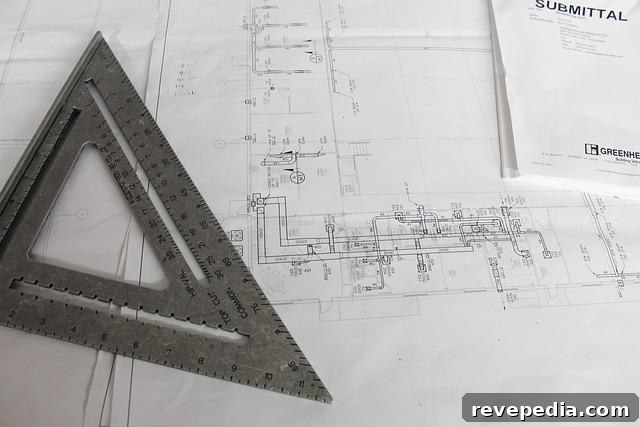
Get the Paperwork Sorted First
This isn’t glamorous, but it’s essential. Any home built before 1978 can carry mandatory lead-paint disclosure requirements. Sellers must provide what they know, present supporting records, and give buyers a legally required 10-day inspection window for lead testing. These federal rules are strict and involve specific forms, and they apply whether you’re moving across town or across an ocean.
On top of federal obligations, state and local disclosure rules vary widely. Some jurisdictions require sellers to report past flooding, foundation repairs, or other issues. Permits from a recent remodel might be at the county building office, in a folder at home, or missing entirely. Tracking down these documents often takes weeks, not days—so start early.
Tackle the Boring Fixes That Matter
When people get ready to list, they imagine big renovations: new countertops, dramatic lighting, or an added deck. But resale-value research consistently shows that small, inexpensive repairs often deliver the biggest return. Fixes like tightening loose cabinet hardware, replacing cracked outlet covers, touching up paint, and repairing a dripping faucet are low-cost but high-impact.
Buyers interpret deferred maintenance quickly. A single leaking faucet suggests neglect; multiple such issues amplify that impression and give buyers leverage at the negotiation table. The temptation to skip these small tasks grows when you’re managing visa appointments and shipping quotes. Resist it—these “boring” fixes prevent last-minute price reductions and stressful renegotiations.
Boost Curb Appeal—It Still Pays Off
Curb appeal remains a powerful influence on buyer perceptions and online traffic. Simple outdoor updates—power-washing the driveway, trimming overgrown hedges, repainting a flaking front door, or updating house numbers—are quick wins that create strong first impressions. Even modest exterior lighting or porch updates can dramatically improve photos and listings, which matters because most buyers start their search online.
Landscaping doesn’t need to be pristine; it needs to look cared for. Clean bed edges, fresh mulch, and visible structure in plantings read as intentional maintenance rather than neglect. These inexpensive efforts help listings stand out and reduce the risk of a buyer mentally downgrading the property before they even walk through the door.

Check Systems, Not Just Surfaces
Cosmetic flaws are usually negotiable. Functional system failures are not. Issues with the HVAC, water heater, or electrical panel can scuttle deals. A pre-listing inspection—costing a few hundred dollars—can reveal what a buyer’s inspector will find and give you time to address problems calmly rather than react under pressure.
Many maintenance tasks are quick: replacing HVAC filters, flushing the water heater, or confirming the age and condition of major systems. These are small, Tuesday-evening jobs that become big problems when ignored. If time is tight, prioritize systems that will raise red flags for buyers or for home inspectors.
Treat the House and the Move as Two Separate Projects
People who successfully juggle an international move and a home sale typically separate the two into distinct projects. Give the property its own timeline, checklist, and dedicated time blocks just as you would the move. Letting both tasks collapse into one sprawling to-do list invites missed steps and last-minute chaos.
Running both projects concurrently is difficult and there’s no perfect shortcut. But focusing on the five areas above—paperwork, small repairs, curb appeal, system checks, and clear project separation—keeps the property from becoming the thing that derails everything three weeks before departure.
Don’t Let the House Be an Afterthought
Moving abroad is the headline: the exciting part families talk about and plan for. Yet the home you leave behind often determines how smooth the entire transition will be. Ignoring it doesn’t simplify the process; it pushes stress to a later time when options are narrower and pressure is higher.
Spending a few days on essentials now prevents small problems from turning into deal breakers and spares you the frustration of managing repairs from a different time zone. Treat the home like it still matters—because in many cases it does. For most people, the house is the financial foundation of the move and handling it properly makes everything that follows easier.
Once the property is under control, you can fully focus on the next chapter with one less major worry on your plate.