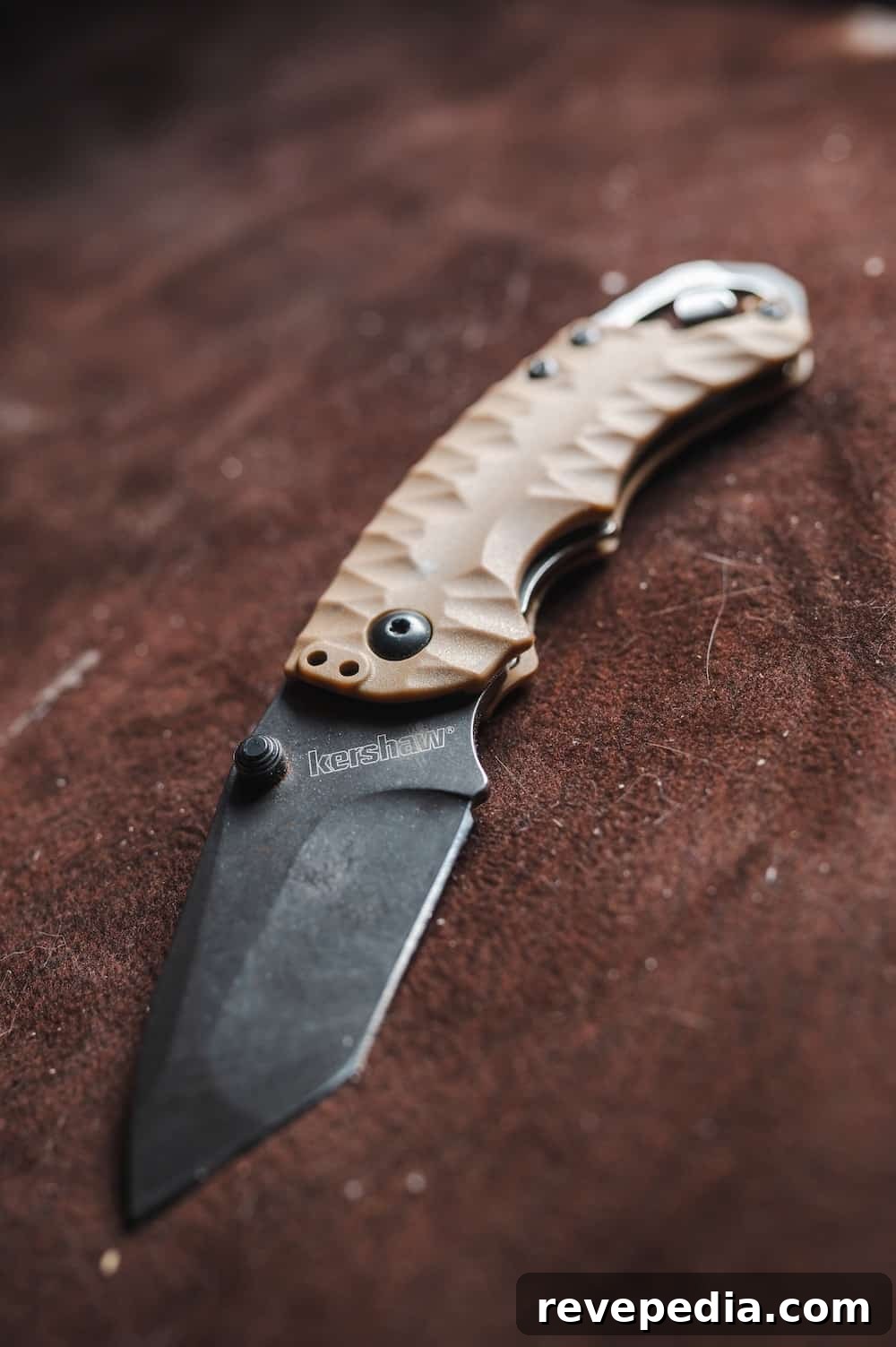
Choosing the right blade material for your everyday carry (EDC) pocket knife is essential for performance, durability, and long-term reliability. Among the many steels available, D2 stands out for a balance of edge retention, toughness, and corrosion resistance that makes it a popular and practical choice for daily use.
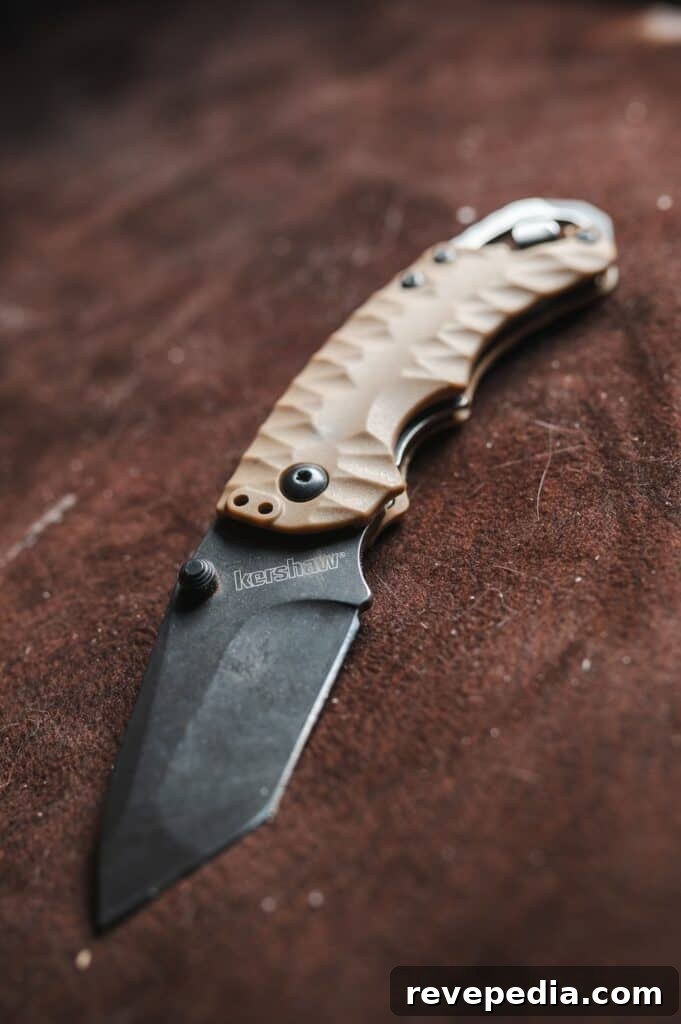
What Is D2 Steel?
D2 is a high-carbon, high-chromium tool steel commonly used in cutting tools and industrial applications. Its alloy composition typically includes roughly 10–13% chromium, plus elevated carbon and vanadium levels. This mix gives D2 a combination of wear resistance, hardness, and reasonable corrosion resistance compared with many carbon steels, making it well-suited for knives that see frequent use.
Why D2 Steel Works Well for Everyday Carry
Outstanding Edge Retention
One of D2’s best-known advantages is its ability to hold a sharp edge longer than many other steels. For users who depend on their pocket knife for regular tasks—cutting rope, slicing food, or whittling—this means fewer touch-ups and longer intervals between sharpenings.
High Hardness and Wear Resistance
D2 can be hardened to relatively high Rockwell values, giving it strong wear resistance. That hardness helps the blade resist abrasion and deformation during heavy use, which is valuable for an EDC knife that must handle a variety of cutting chores without quickly wearing down.
Good Corrosion Resistance for a Tool Steel
Thanks to its chromium content, D2 offers better corrosion resistance than many plain carbon steels, though it is not fully stainless by modern definitions. With routine care—cleaning, oiling, and avoiding prolonged exposure to saltwater—D2 blades can remain functional and rust-free for years, even in humid conditions.
Toughness and Chip Resistance
D2 balances hardness with toughness, aided by its carbon and vanadium content. This gives the steel good resistance to chipping and cracking under typical EDC stresses. While not as tough as some stainless tool steels, D2 performs reliably for tasks that require a robust cutting edge without brittle failure.
Versatility in Heat Treatment
Manufacturers can heat-treat D2 to different hardness and toughness profiles, which makes it adaptable across a range of knife designs. Whether the goal is a tougher, easier-to-sharpen blade or a harder, longer-lasting edge, heat treatment allows D2 to meet different EDC requirements.
Sharpening Considerations
Although D2 can reach high hardness, it remains reasonably straightforward to sharpen with the proper tools—stones, ceramic rods, or diamond sharpeners work well. Because it holds an edge so effectively, the need to sharpen is infrequent, and maintenance is manageable for most users.
In summary, D2 steel offers a compelling mix of edge retention, hardness, and wear resistance with adequate corrosion performance when cared for properly. Those qualities make it a strong candidate for an everyday carry pocket knife for users who want long-lasting sharpness and dependable performance across a variety of tasks.
When choosing a blade steel, consider how you use your knife—frequency, environments, and typical tasks—and balance edge life, toughness, and ease of maintenance accordingly. If you prefer a knife that stays sharp longer and can handle heavy use, a D2 blade is a practical and proven option.