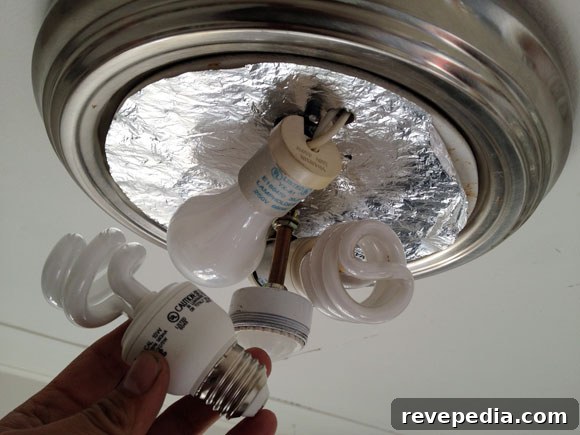
The switch from traditional incandescent bulbs to energy-efficient lighting is now well underway. Governments have moved to phase out incandescent bulbs in favor of compact fluorescent lamps (CFLs) and light-emitting diodes (LEDs), meaning consumers are increasingly expected to adopt these newer technologies.
Prices for CFLs have dropped significantly, making them an affordable immediate option for many households. LEDs remain more expensive up front, although their costs have been decreasing steadily. Despite the higher initial price, LEDs offer long-term savings through lower energy use and longer lifespans, and they are likely to become the dominant choice as older incandescent options disappear from store shelves.
Finding higher-wattage incandescent bulbs has become difficult. Many retailers no longer stock 100W or 75W incandescent bulbs, and 60W is often the highest wattage commonly available. Local home improvement centers increasingly carry a wider selection of CFLs and LEDs rather than traditional incandescents, except for limited overstock or specialty stores that may still have older stock.
In our own home, we waited until existing incandescent bulbs burned out before replacing them and have since converted our office lighting to CFLs. When shopping at general hardware stores like Ace Hardware, you’ll still find some incandescent choices, but the majority of shelf space is now dedicated to energy-efficient alternatives. These retailers generally stock the range of bulbs most homeowners need, from basic CFLs to various LED options and a few remaining incandescent formats.
As you consider switching your household lighting, think about the following practical points:
- Energy savings: Both CFLs and LEDs use far less electricity than incandescents, translating to lower energy bills over time.
- Lifespan: LEDs in particular last much longer than incandescents and typically outlast CFLs as well, reducing the frequency of replacements.
- Upfront cost vs. long-term value: CFLs are cheaper to buy now, while LEDs cost more initially but usually save more money over their lifetime.
- Light quality and color: Modern CFLs and LEDs are available in various color temperatures and brightness levels, so you can match warm or cool tones to your home’s needs.
- Compatibility: Check fixtures and dimmer compatibility—some bulbs require specific dimmers or are not suitable for enclosed fixtures.
- Disposal and safety: CFLs contain a small amount of mercury and should be disposed of or recycled properly; LEDs do not contain mercury but may have other recycling requirements depending on local regulations.
Many people have questions or reservations when converting to CFLs or LEDs. Common concerns include the feel of the light, potential flicker, compatibility with existing dimmers, and environmental or safety considerations. Most of these issues have been addressed by manufacturers in recent product generations, but it’s still worth checking product specifications and testing a few bulbs to find the right fit for each room.
Are you in the process of switching your household bulbs, or are you holding onto incandescent stock? Understanding the trade-offs between upfront cost, energy efficiency, and long-term savings will help you choose the best options for your home’s lighting needs.