Whether you’re replacing old carpet with a new style or switching to a different type of flooring, the first step is removing the existing carpet. Even if you plan to hire a professional to install the new floor, removing the current carpet yourself can save you money and speed up the project.
Before you begin, protect yourself with a pair of heavy-duty work gloves. Carpet tacks and staples are sharp and numerous; gloves will help prevent cuts and punctures while you work. You’ll also want safety goggles and sturdy shoes to avoid injury from loose nails or debris.
Start in a corner of the room and use pliers to pull up the carpet edge. Most carpets are secured along the room perimeter with tack strips—thin strips of wood with exposed nails that grip the carpet backing—so pull the carpet free from the first tack strip and work your way around the room. If the carpet is stretched and attached to a tackless strip, pulling at an angle will release it more easily.
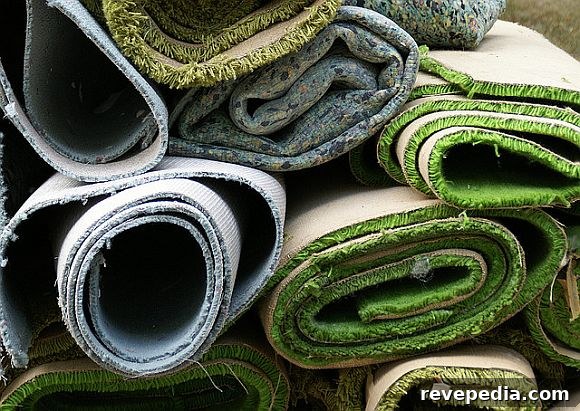
As you loosen the carpet, use a sharp utility knife to cut it into manageable sections, about 3 to 4 feet wide. Cutting the carpet into these rolls makes it much easier to handle and transport through doorways and down stairs. Roll each section tightly and secure it with twine or tape for removal.
Once the carpet is gone, you’ll need to remove the underlay or padding. Carpet padding is typically fastened either with staples or adhesive. If it’s stapled, needle-nose pliers or a pry bar will help you extract the staples and lift the padding. For glued padding, a flooring scraper or a heavy-duty putty knife will be necessary to scrape the adhesive away. In stubborn cases, a heat gun can soften glue, making removal simpler; use caution and follow safety guidelines when working with heat.
If your goal is to reveal hardwood floors beneath the carpet, take extra care during removal to avoid damaging the wood. Pull the carpet and padding gently around edges and avoid prying directly on the floor surface with metal tools. After the carpet and padding are cleared, expect to do some refinishing—sanding, filling, and resealing—to restore the hardwood to a like-new appearance. Minimizing gouges and scratches during the demolition phase will reduce the amount of restoration required.
Finish the job by sweeping and vacuuming the subfloor to remove loose nails, staples, and adhesive residue. Inspect the floor for any remaining tack strips or nails and remove them. If adhesive remains, use an appropriate solvent or mechanical scraper according to the flooring manufacturer’s recommendations so the new underlayment or flooring adheres correctly.
Removing carpet is a straightforward task with the right tools and precautions: heavy-duty gloves, pliers, a utility knife, a scraper, and safety gear. Taking your time to cut manageable sections and remove padding carefully protects both you and the floor beneath. Did you tackle a carpet removal project at home? How did it go—smooth and satisfying, or a lesson learned for future renovations?