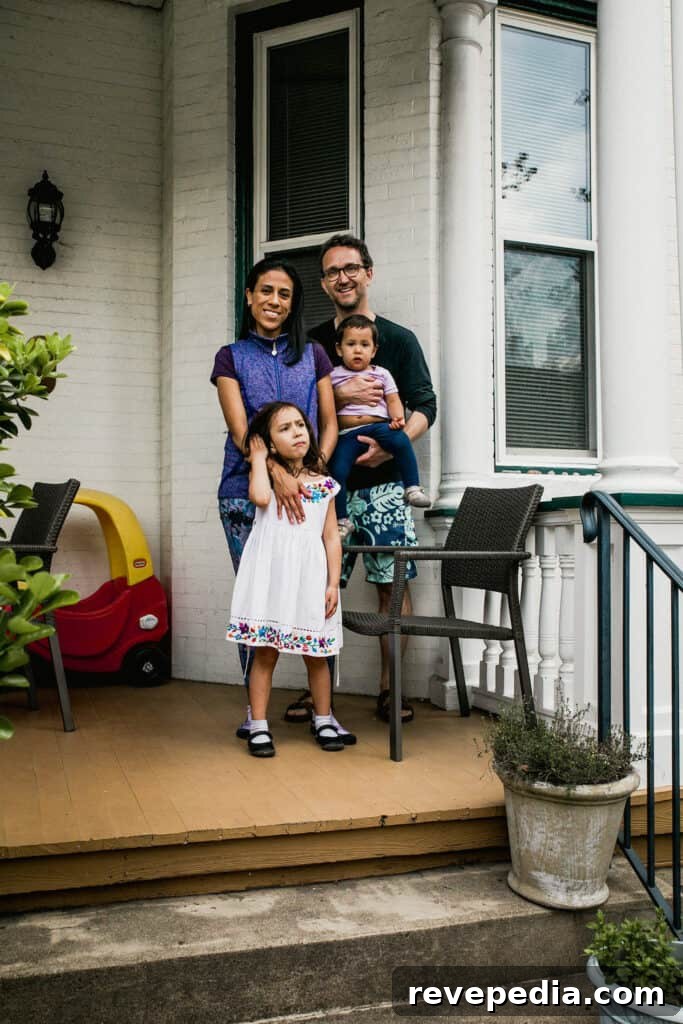
My friend Joe Kutchera generously shared the story of renovating his historic Richmond home. We met while working at This Old House, and I’m honored to tell his “old house” journey. Enjoy!
When we moved into our historic row house in The Fan district of Richmond, Virginia, the first thing I did was hang a plaque I inherited from my Auntie Barbara that read, “God made a lot of days so that you would not try to do everything at once.”
I treasure that plaque for both spiritual and practical reasons. Auntie Barbara was a Catholic nun who taught writing and English literature at Clarke College (now Clarke University) and later taught poetry and writing at the Milwaukee County Jail.
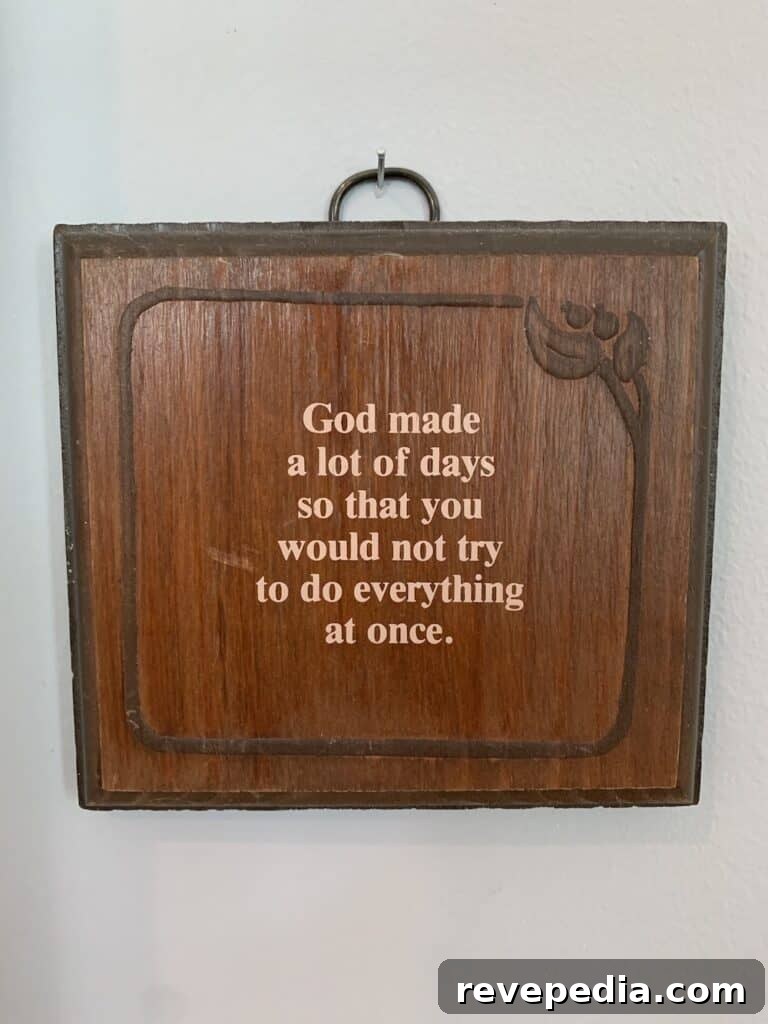
The plaque reminds me of her and encourages me to take life one day at a time—a lesson especially useful when renovating a house, given my type-A tendencies. With an old house, the list of upgrades and repairs can feel endless.
God made a lot of days so that you could not try to do everything at once.
My wife, Lulu, and I moved into this house as newlyweds eight years ago. We later moved out with two small daughters who learned to navigate our beautiful but treacherous open staircase. Over the years, I learned how much planning and steady effort it takes to renovate and maintain an older home.
By doing a little at a time—daily tasks, monthly projects, and a handful of major renovations—we accomplished more than it initially seemed possible. Below I’ve documented the most important projects we completed.
Removal of the Robert E. Lee Plaque
One small but meaningful change involved an exterior plaque just to the right of our front entrance. The metal plaque featured a depiction of Confederate General Robert E. Lee and included the year the house was built—1905 in our case. The image referenced Richmond’s Lee statue, located just three blocks away on Monument Avenue.
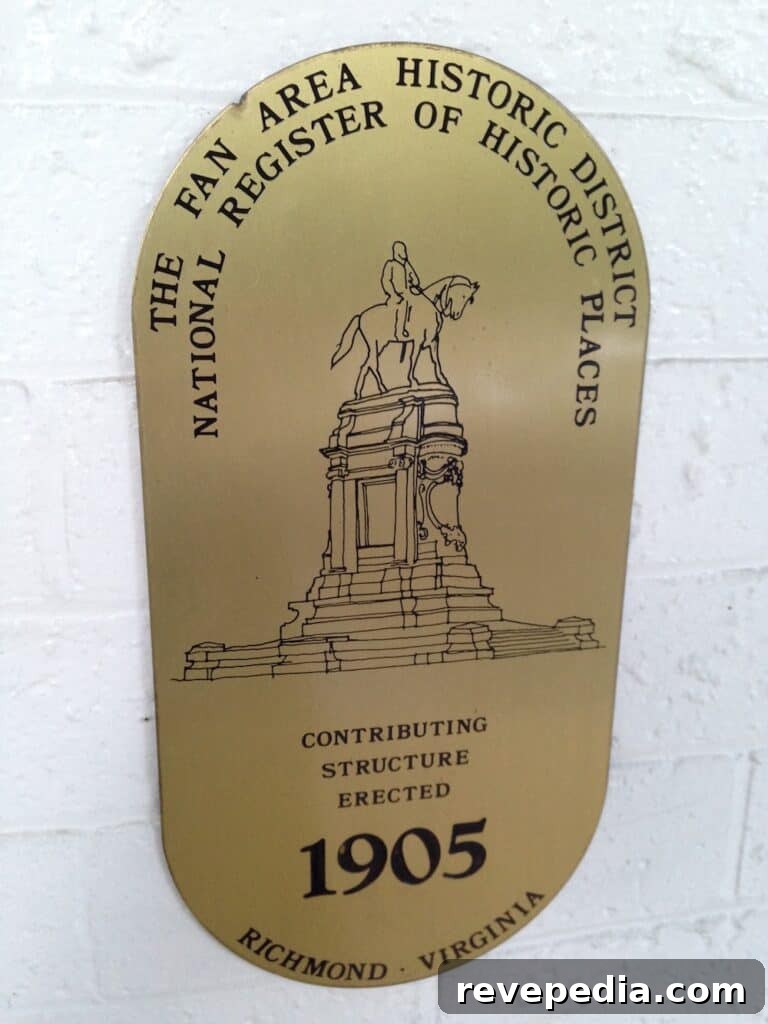
Many houses in The Fan display similar customized plaques marking their construction year. Our plaque remained until the George Floyd protests in 2020, when we decided to remove it.
During that summer, thousands gathered on Monument Avenue to protest racial injustice and cover Confederate monuments in graffiti. The Robert E. Lee statue, in particular, became a focal point of protest art and national conversation. We realized that if we wanted our home to feel like a peaceful sanctuary, we didn’t want a symbol of war and racism displayed at its entrance—so we removed the plaque.
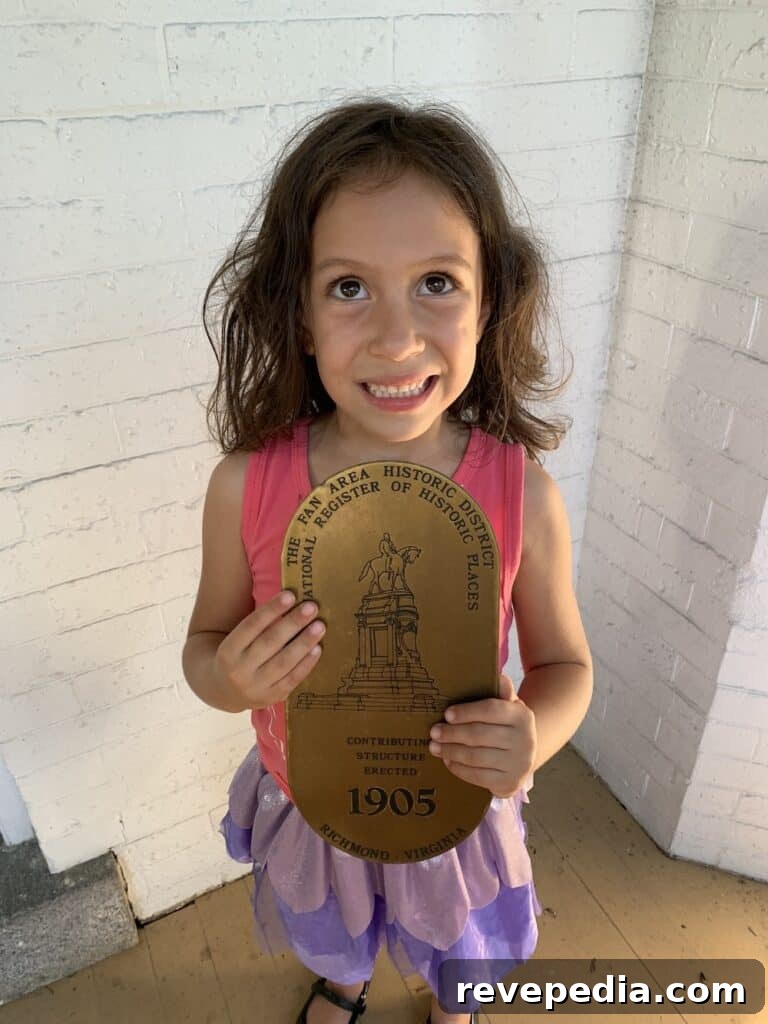
My daughter Dani and I even spoke about our decision on the local NBC affiliate, discussing efforts to change historic markers with Confederate images in The Fan district.
Not long after, the city removed the Robert E. Lee statue from its Monument Avenue pedestal—an outcome we consider progress.
A Revised Historic Marker
Today, the Fan Women’s Club, which produces these plaques, has replaced the Lee image with a stylized fan. The plaque now reads: “The Fan Area Historic District. National Register of Historic Places. Contributing Structure Erected in [the year the house was built]. Richmond, Virginia.”
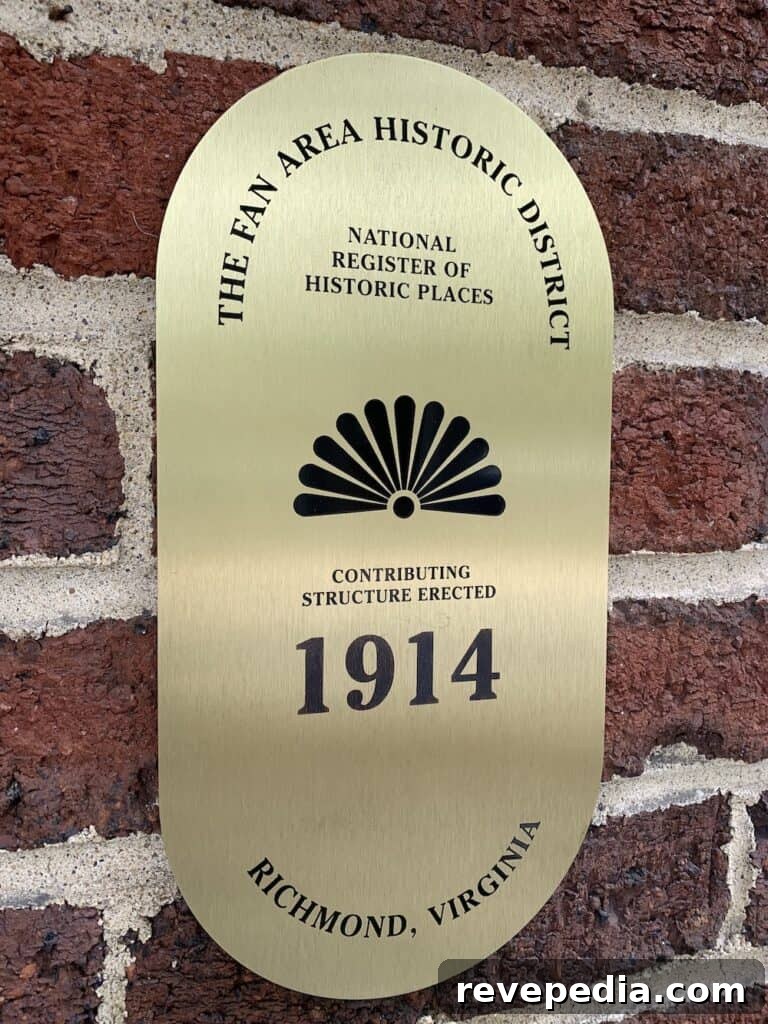
The neighborhood is called “The Fan” because the street layout, viewed from above, fans outward. Removing the Confederate imagery felt like a necessary and final feng shui adjustment for our home.
Lighting, Feng Shui, and Planning
I previously wrote about moving into our “new” old house and our renovation approach for Charles & Hudson. In one piece, I discussed applying feng shui principles and improving lighting; in another, I outlined our plan to add lighting to nearly every room, including outdoor deck lighting.
Below are “before” photos from our 2013 purchase paired with “after” images captured by photographer Kim Frost as we prepared to sell the house in April 2021.
Office Converted to a Bedroom
The back bedroom on the second floor underwent dramatic cosmetic transformation. It had previously served as an office and TV room for Dr. Charles Swezey, professor emeritus of Christian Ethics at Union Presbyterian Seminary.
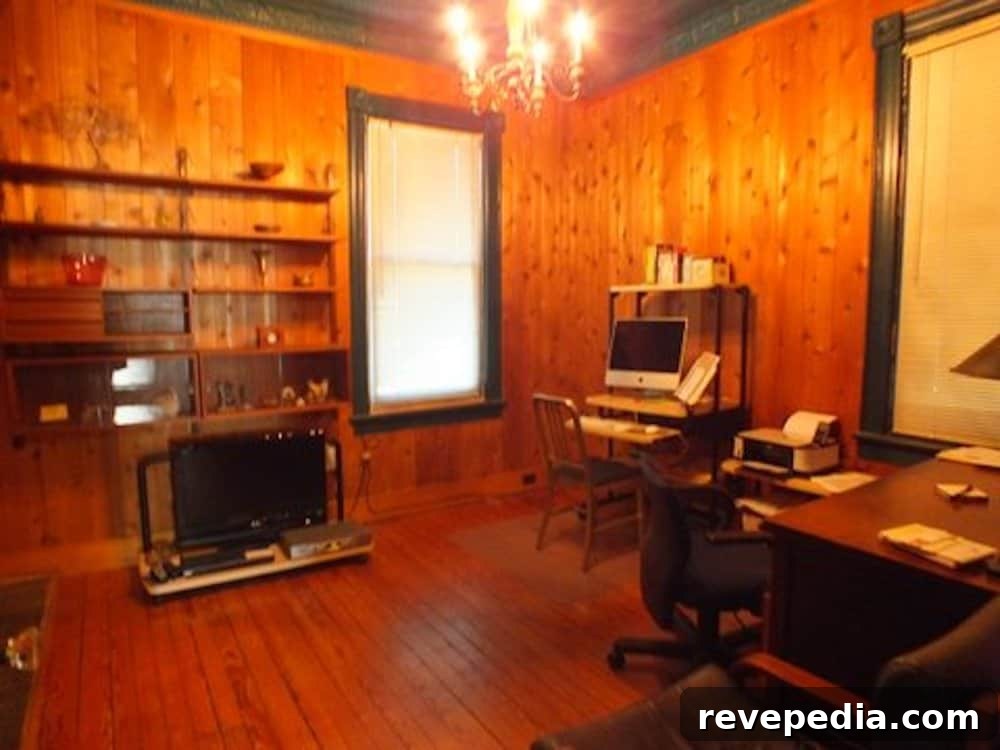
The room featured unstained paneled wood and dark green stamped tin ceiling tiles. We repaired and re-tuckpointed the brick fireplace wall, painted the tin ceiling white, and chose a soft cream for the walls. We also replaced a heavy metal-and-wood chandelier with a delicate glass fixture to soften the room’s tone.
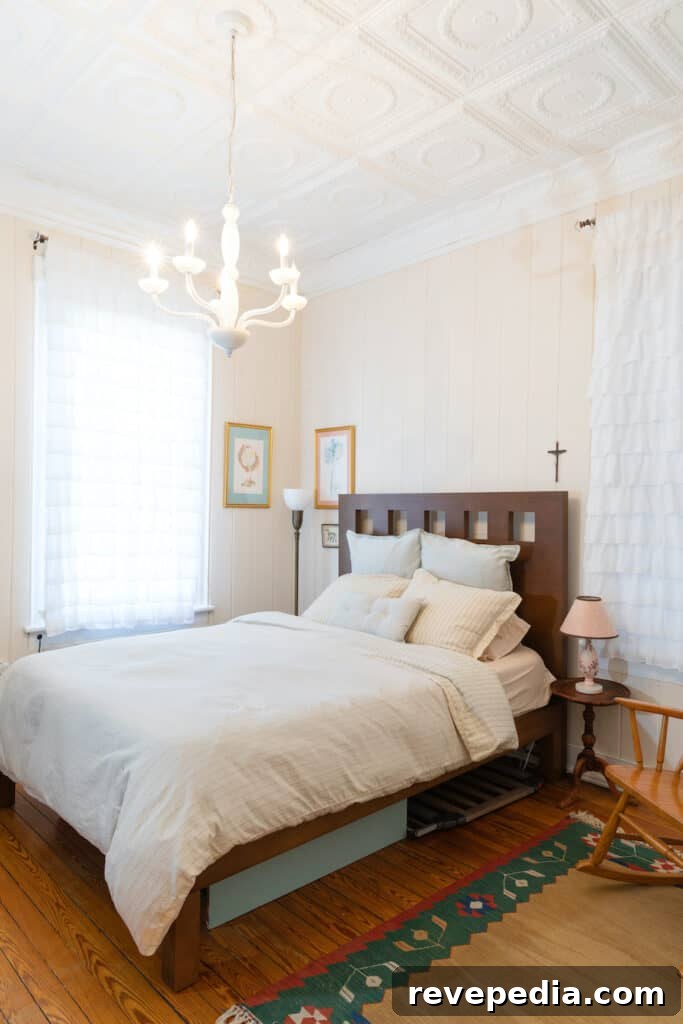
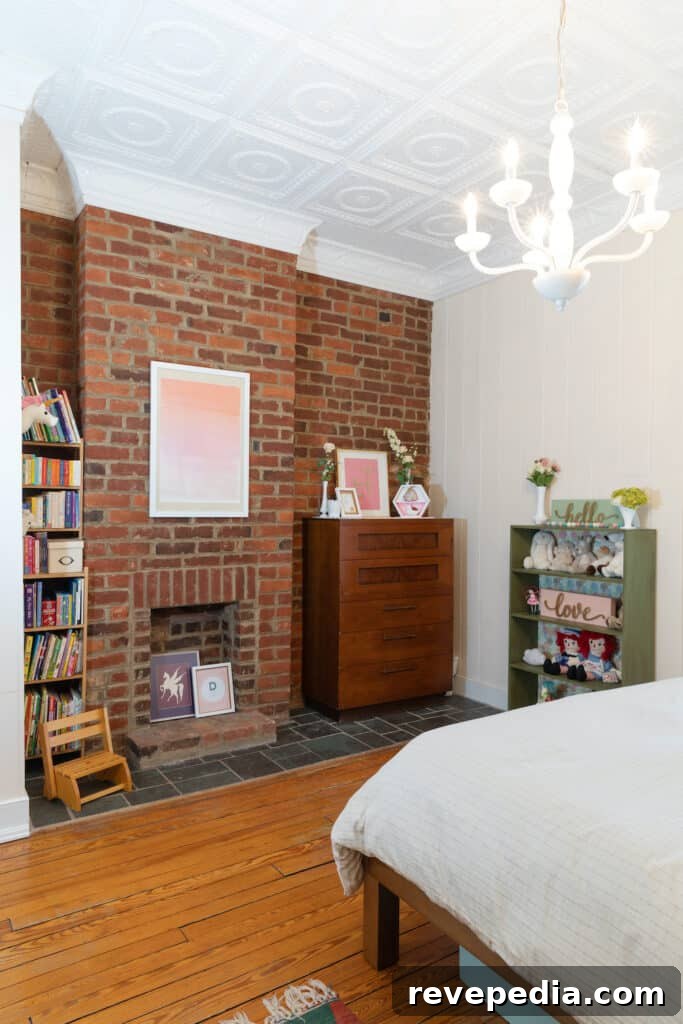
The room sits at the rear of the house, away from street noise, and the north-facing window offers subdued morning light—ideal for a bedroom. It became our girls’ room and a restful retreat.
Hallway Laundry Area
Upstairs in the hallway, a closet opposite the bathroom once hid the washer and dryer behind two folding doors. Years ago one door broke and fell off, and we lived with a single door for a long time. As we prepared to sell, we realized that removing the remaining door, repainting the closet interior, and using attractive storage bins could turn the space into an appealing open laundry area.
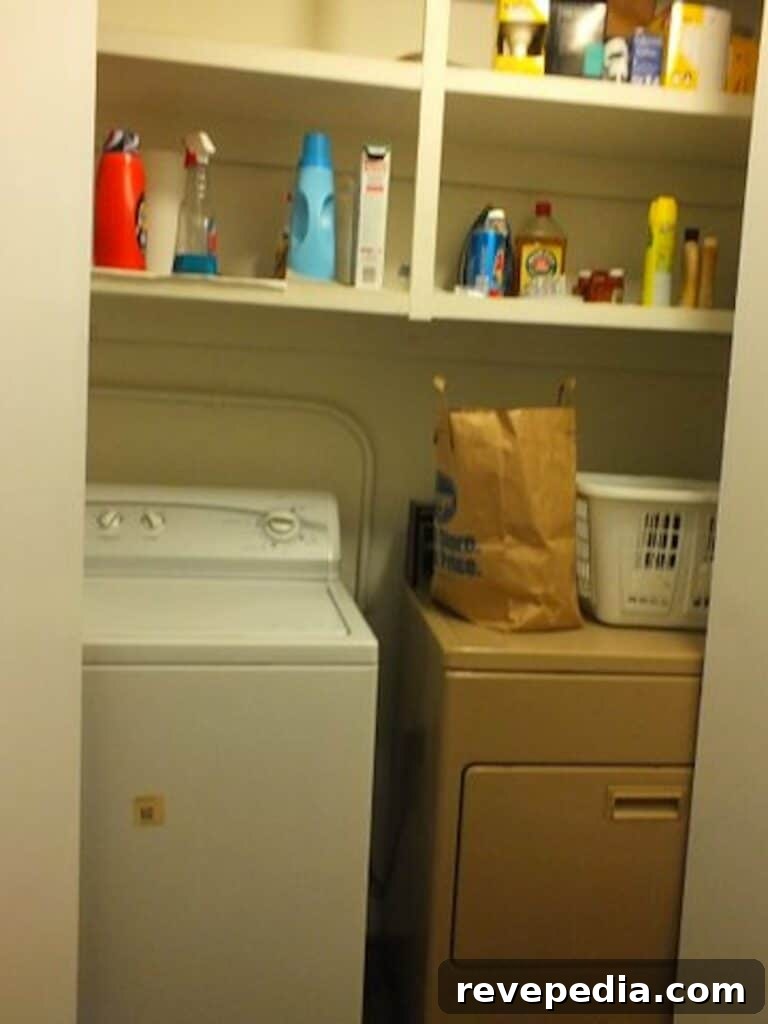
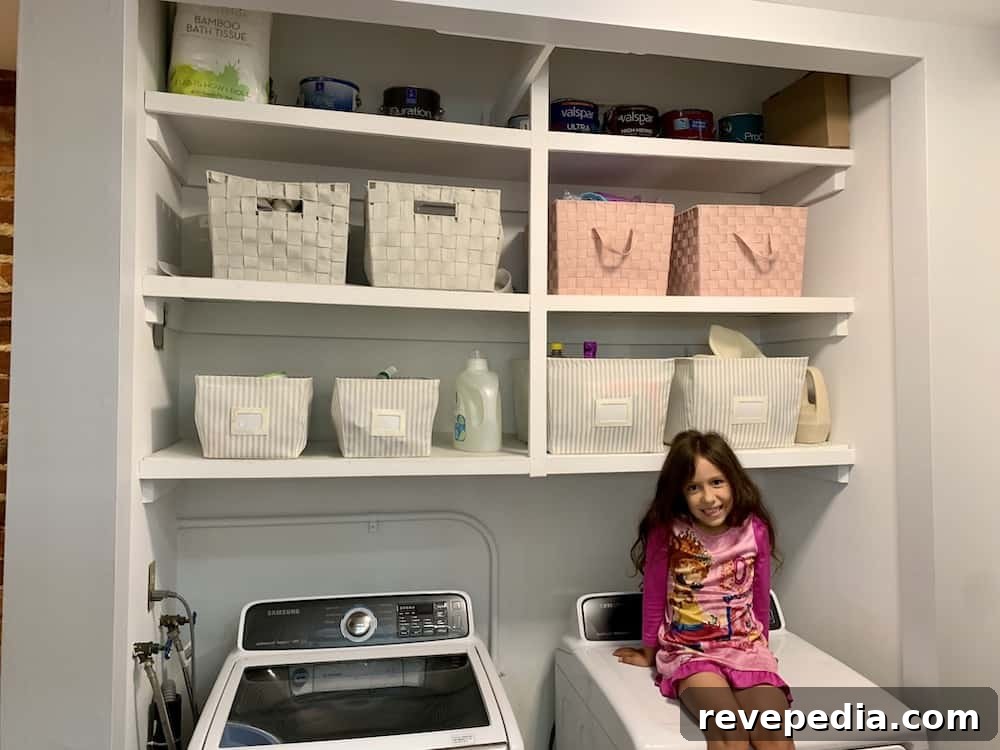
Necessity inspired the redesign. The result was a functional, tidy laundry space—complete with our daughter Dani perched on the dryer in one of the after photos.
Front Bedroom Converted to an Office
We transformed the front master bedroom into an office to capitalize on the energizing sunlight that fills the room during working hours. The built-in bookcases left by Professor Swezey provided excellent storage for books and decor. We painted the room gray and placed the desk in a feng shui “power position,” facing the door.
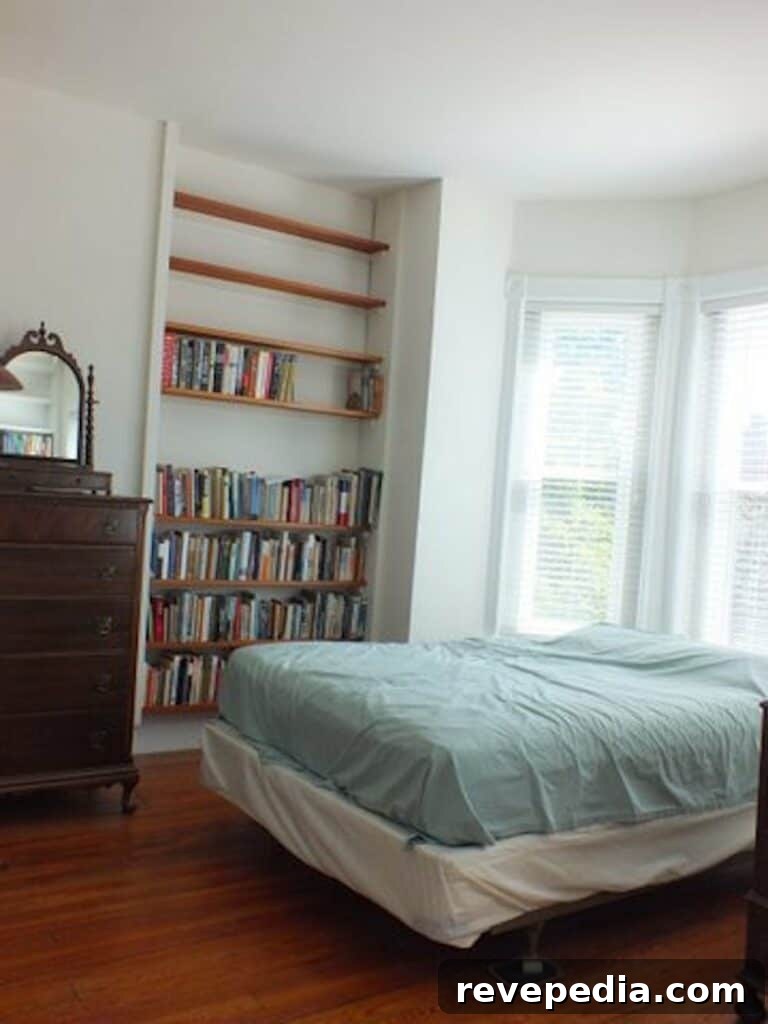
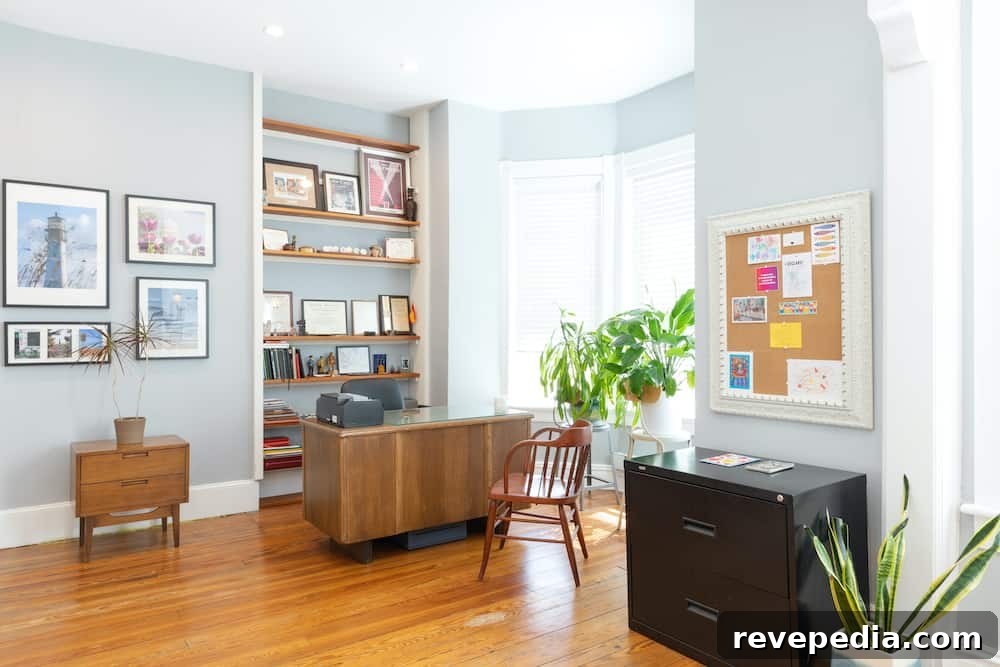
We moved the master bedroom to a darker interior room—better for parents who value sleeping in—while the brighter front room became a productive workspace.
New Lighting in the Parlor and Living Room
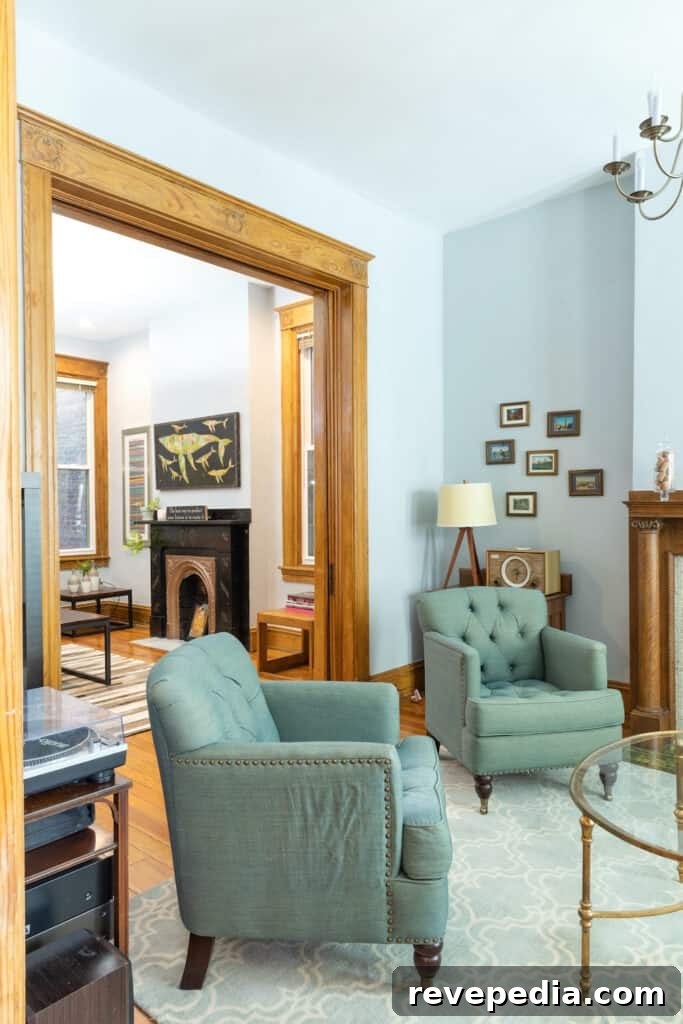
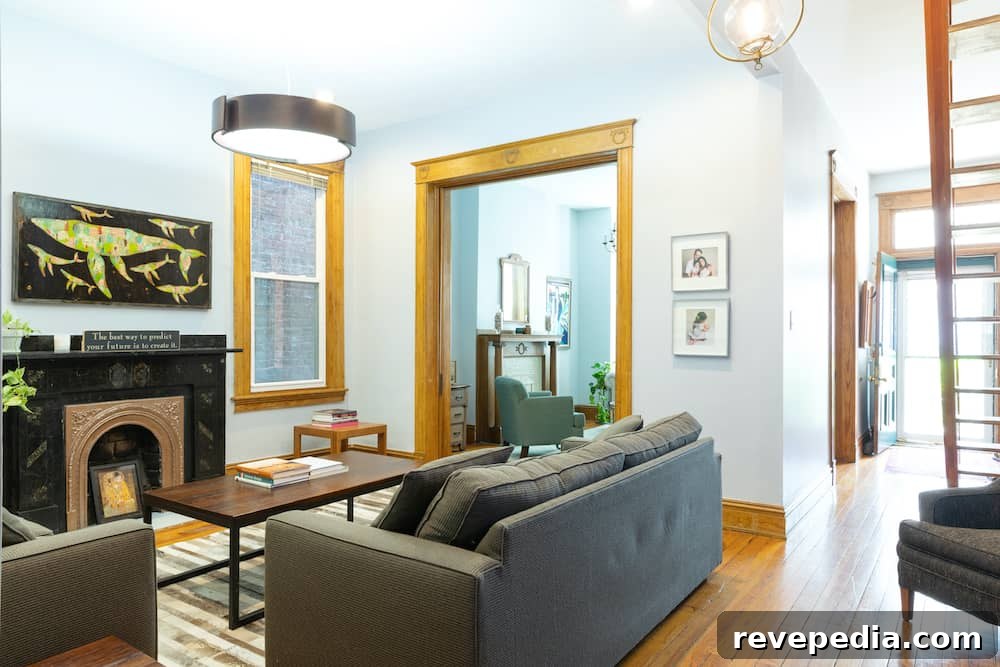
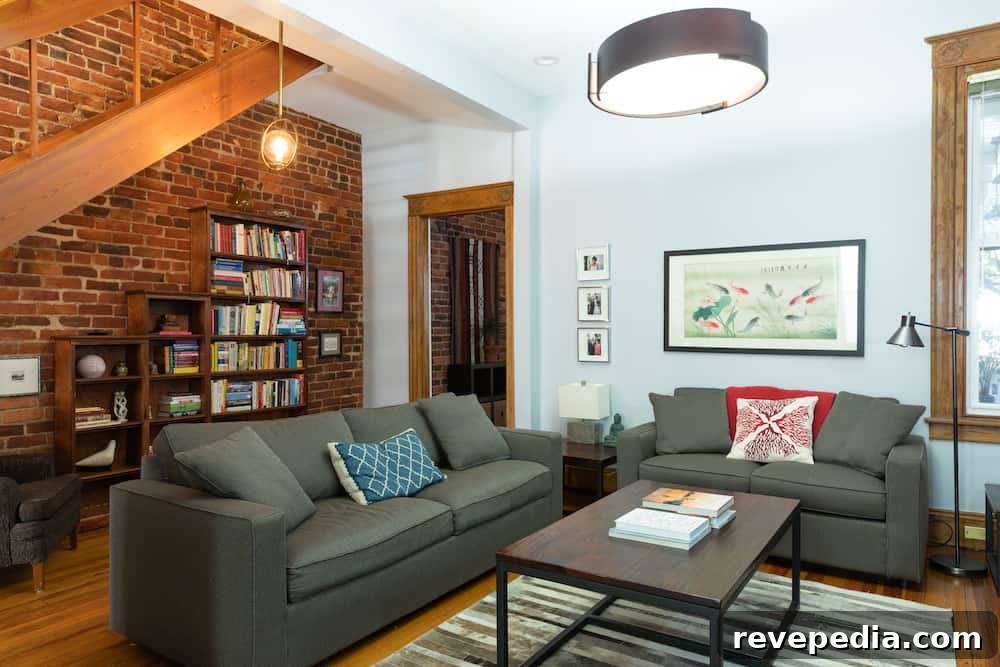
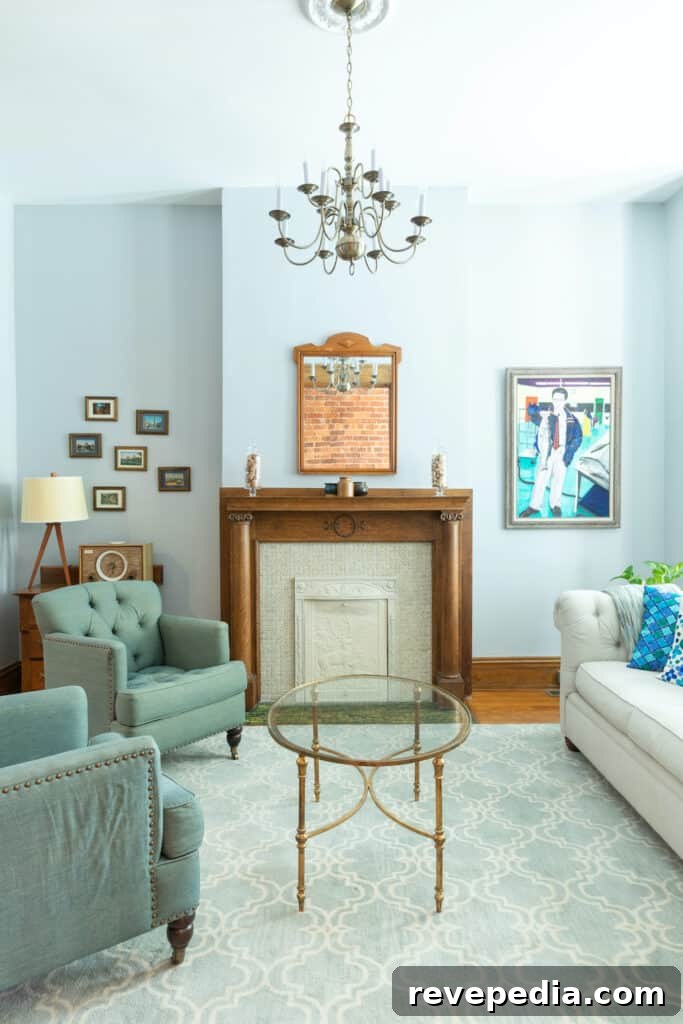
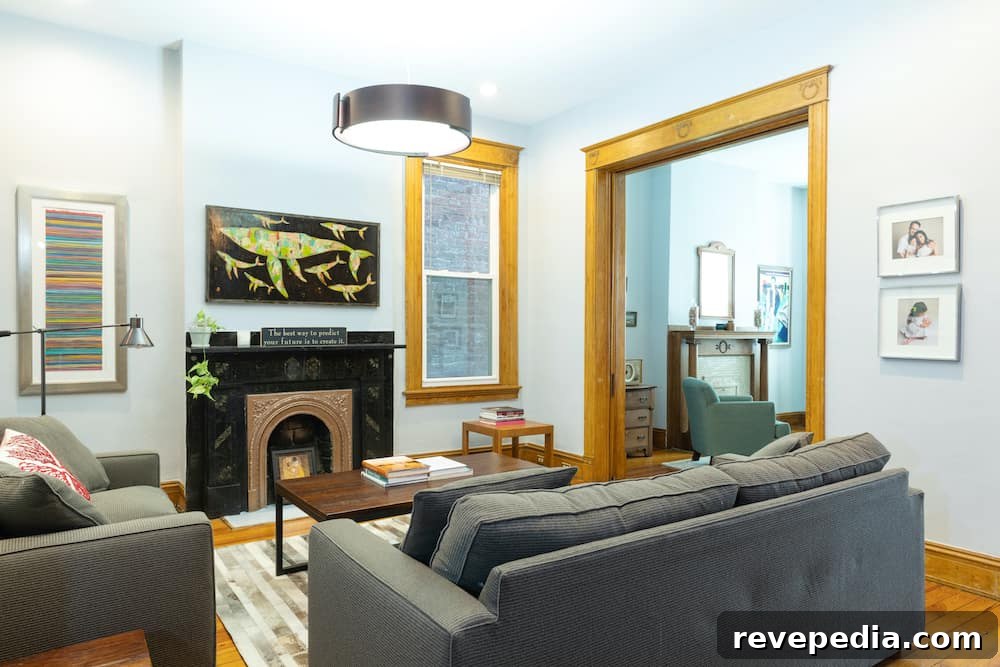
Downstairs we installed a traditional chandelier in the front parlor and a modern hanging fixture plus four recessed lights in the living/TV room. Previously, neither room had ceiling lighting. We also refreshed the fireplace façades and painted the living room hearth light gray to cover weathered stone in front of the firebox.
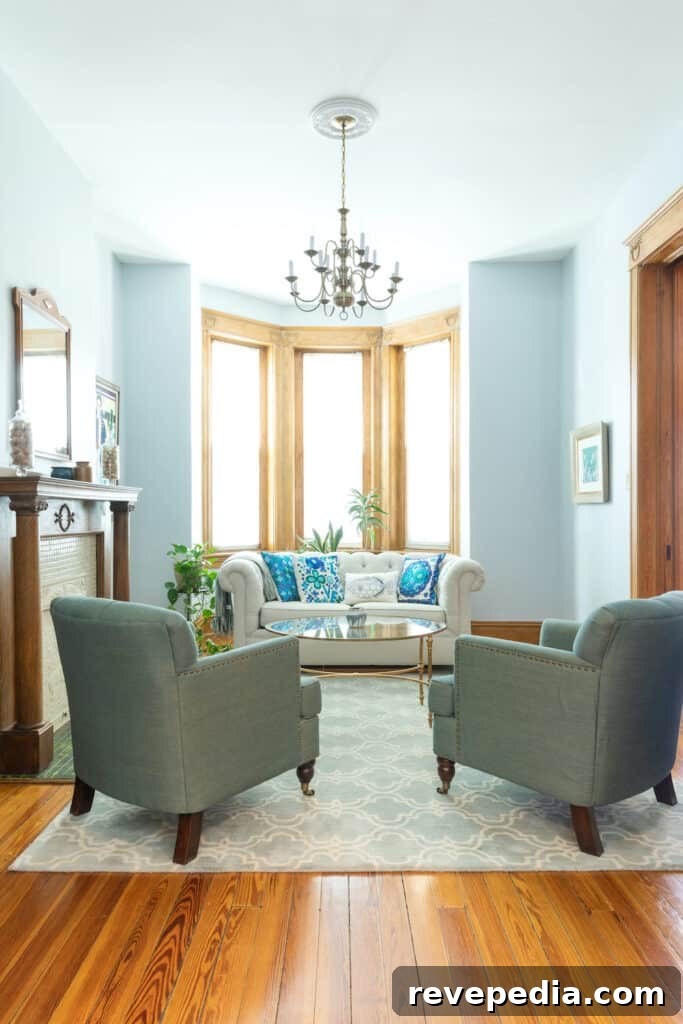
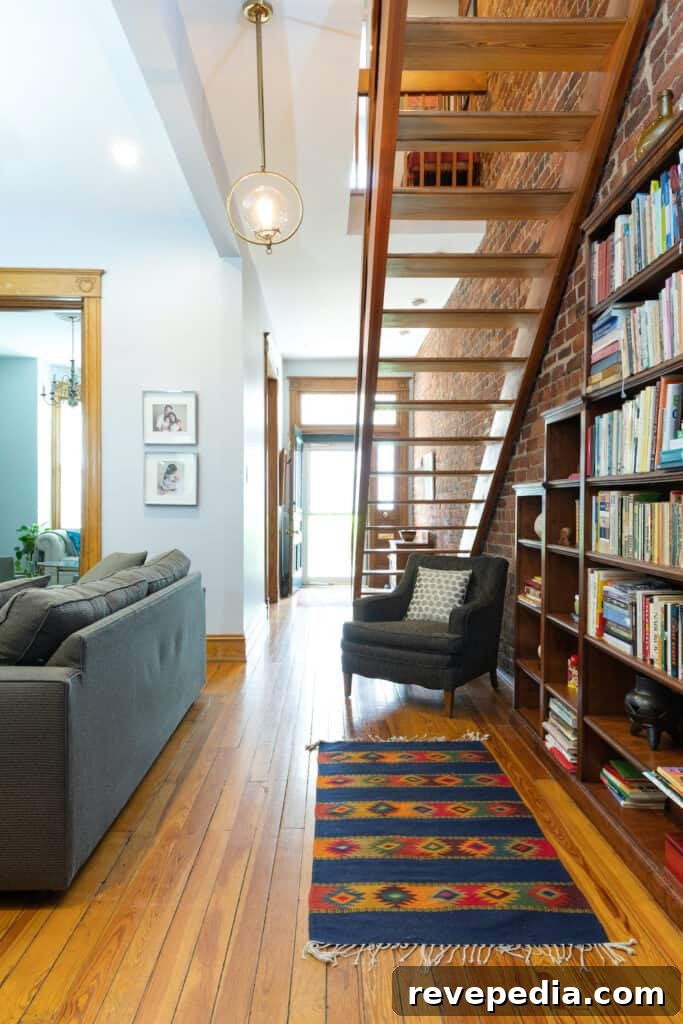
Professor Swezey told us that the glass and brass globe light in the first-floor hallway was purchased from the historic Jefferson Hotel during a redesign in the 1990s—an interesting bit of provenance that adds character to the house.
Our Biggest Project: Kitchen and Powder Room
The most extensive renovation was the kitchen and the small powder room. When we moved in, the kitchen had mismatched countertops and a shelf partially hidden by the counter. The bathroom door once collided with the refrigerator when both were opened.
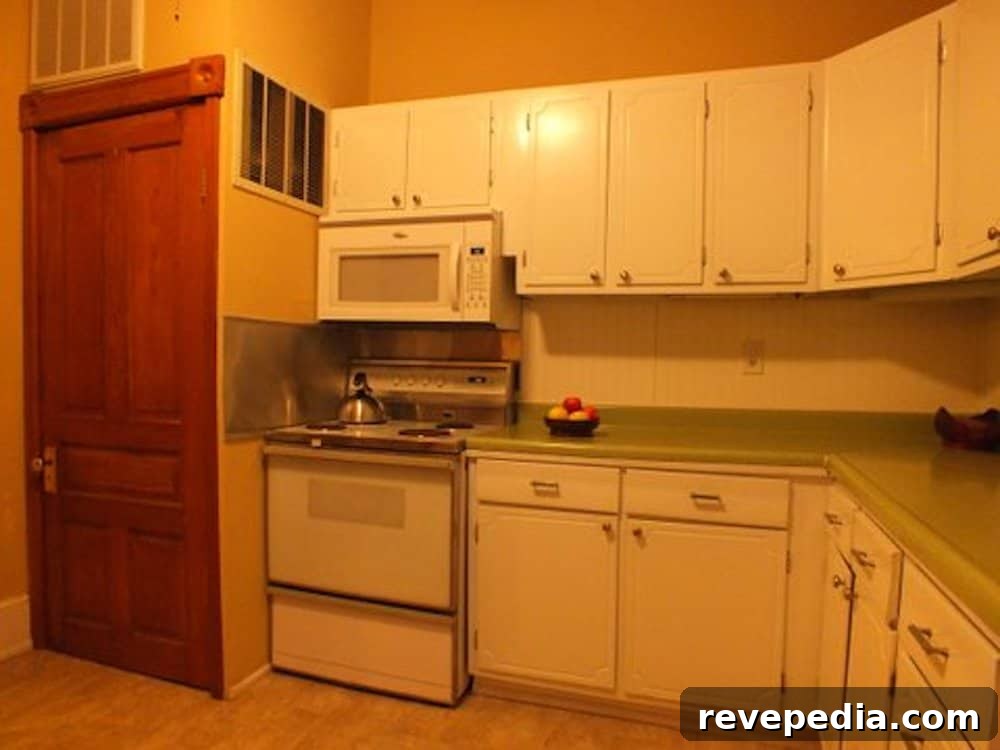
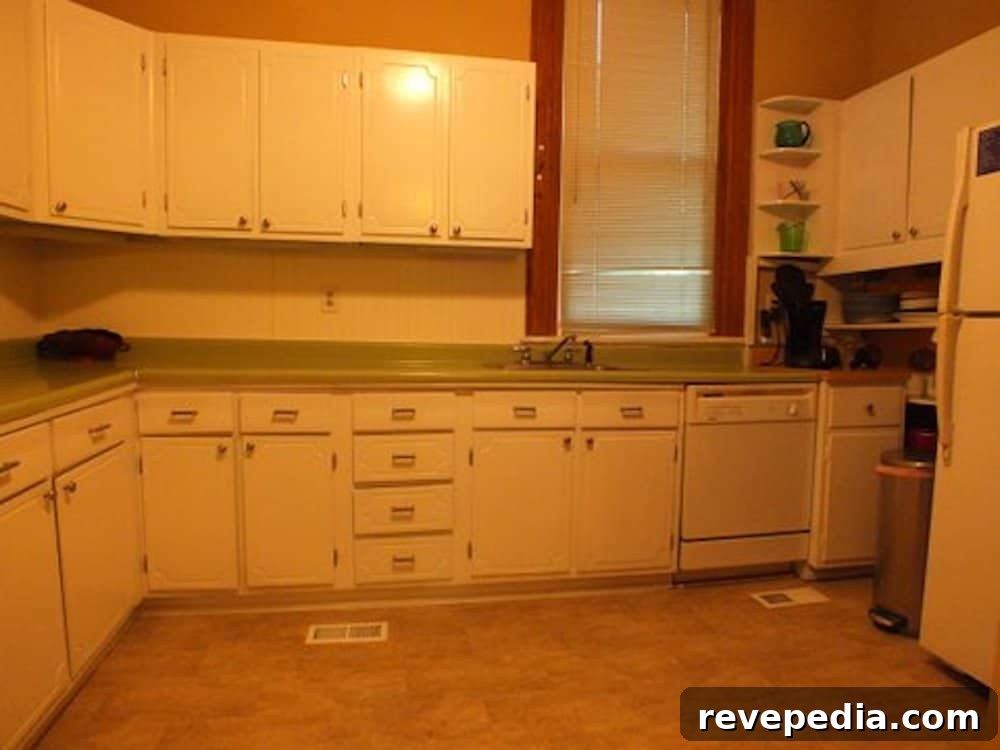
After gutting the old fittings, we uncovered wallpaper from an earlier era depicting household items like barrels, wheelbarrows, a wardrobe, a spinning wheel, and a pot cooking over a hearth—evidence of the house’s layered history.
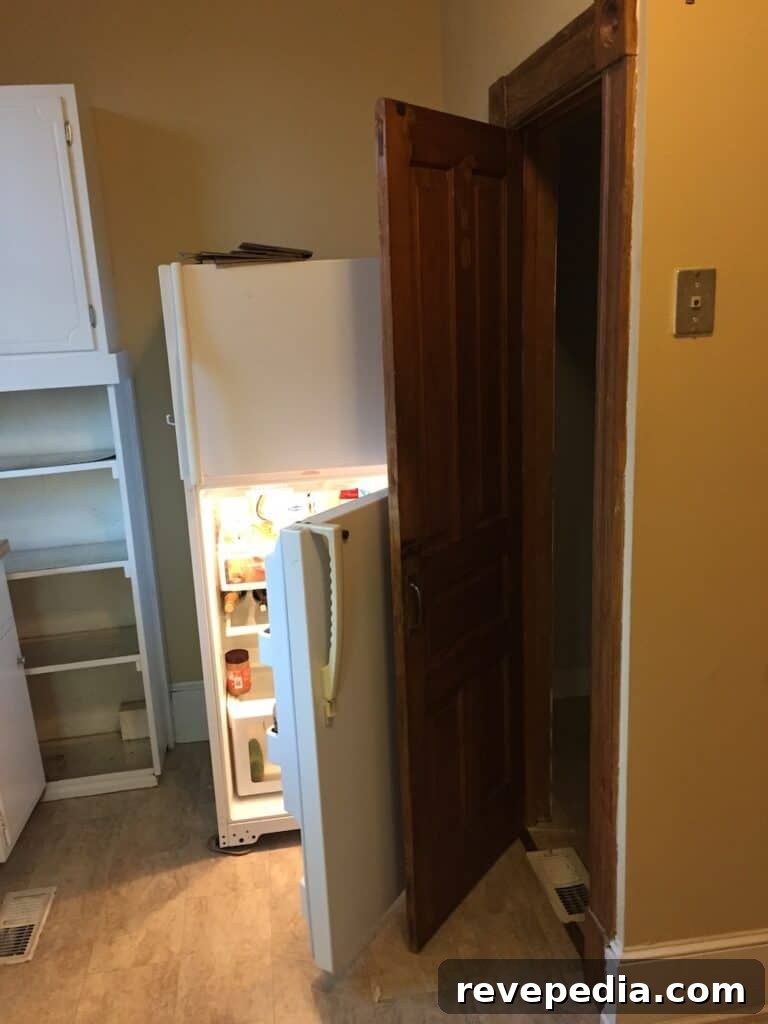
To prevent the powder room door from bumping the refrigerator or anyone passing by, we reoriented the door to open next to the entrance between the kitchen and dining room. Instead of discarding the old door, we painted it white and repurposed it as a hidden sliding door. Inside the powder room, a wall-to-wall mirror visually expanded the compact space.
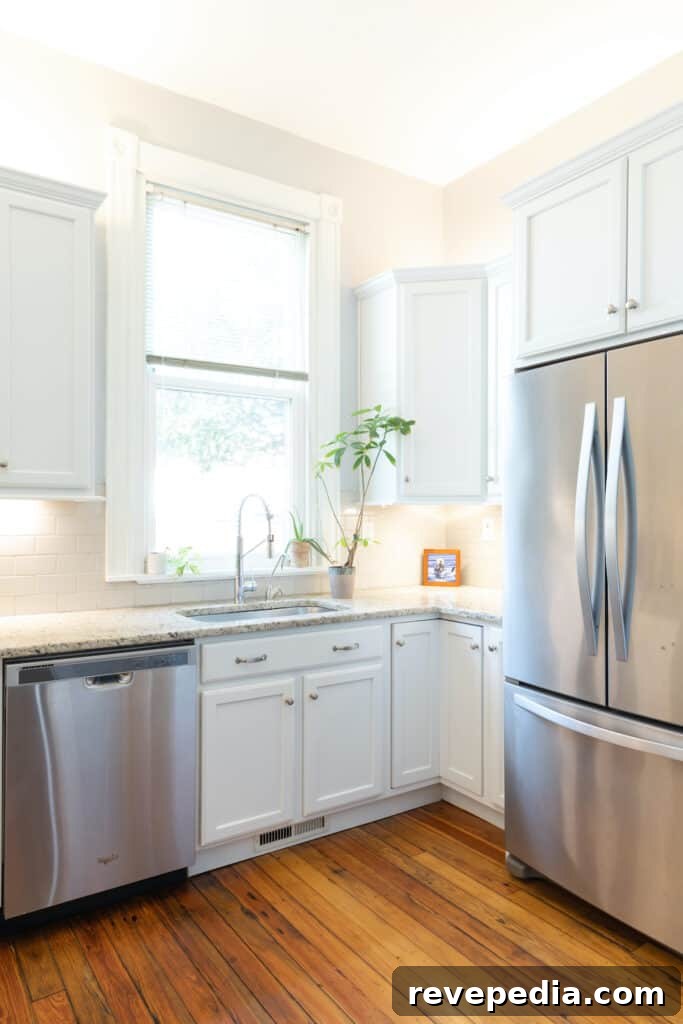
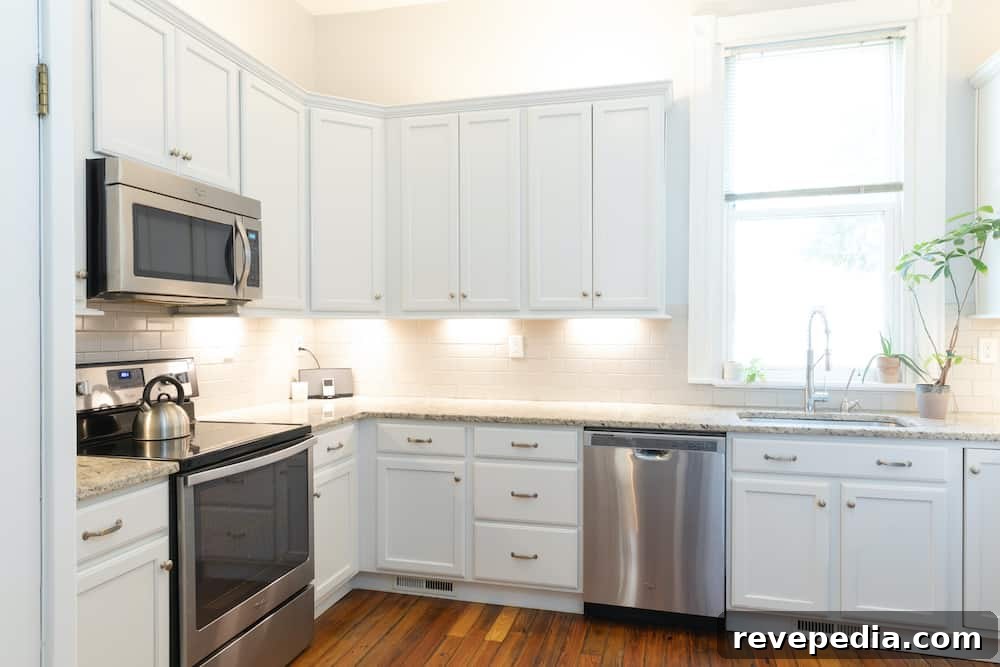
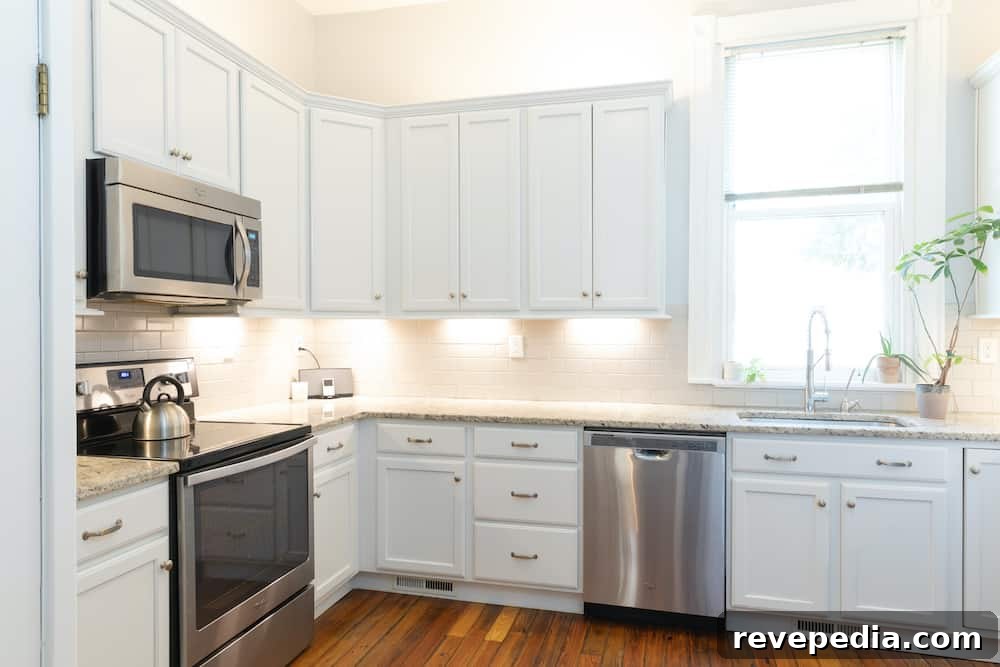
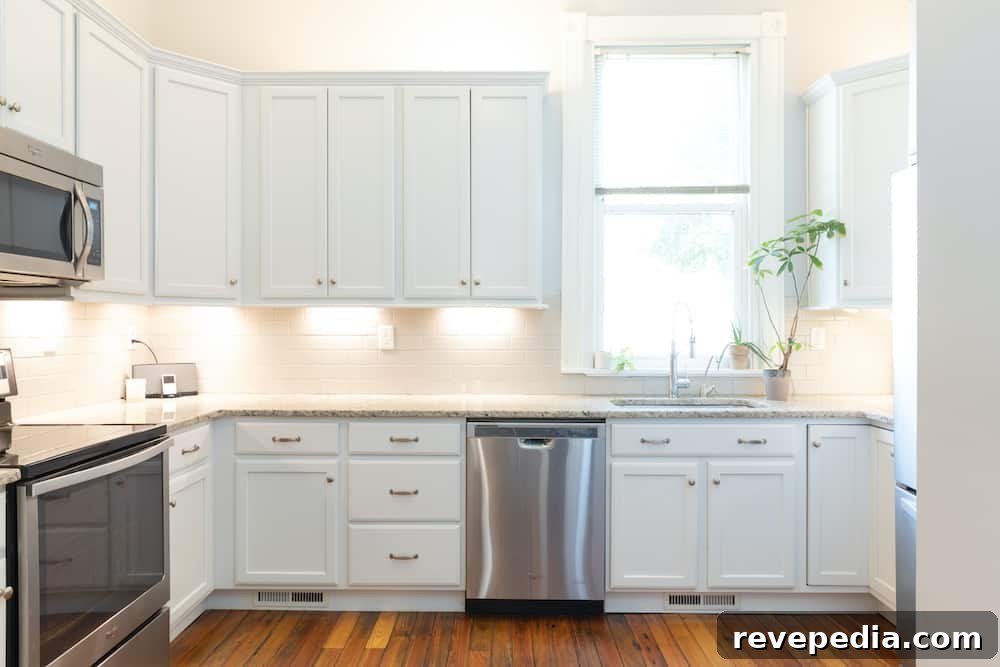
The kitchen received new white cabinets, gray subway tile backsplash, granite countertops, and stainless steel appliances. We added indirect LED lighting above and below the cabinets, greatly improving task lighting. We also moved the HVAC floor ducts beneath the new cabinets—an adaptation learned from experience, since spills and crumbs had previously accumulated in floor ducts.
Refreshing the Upstairs
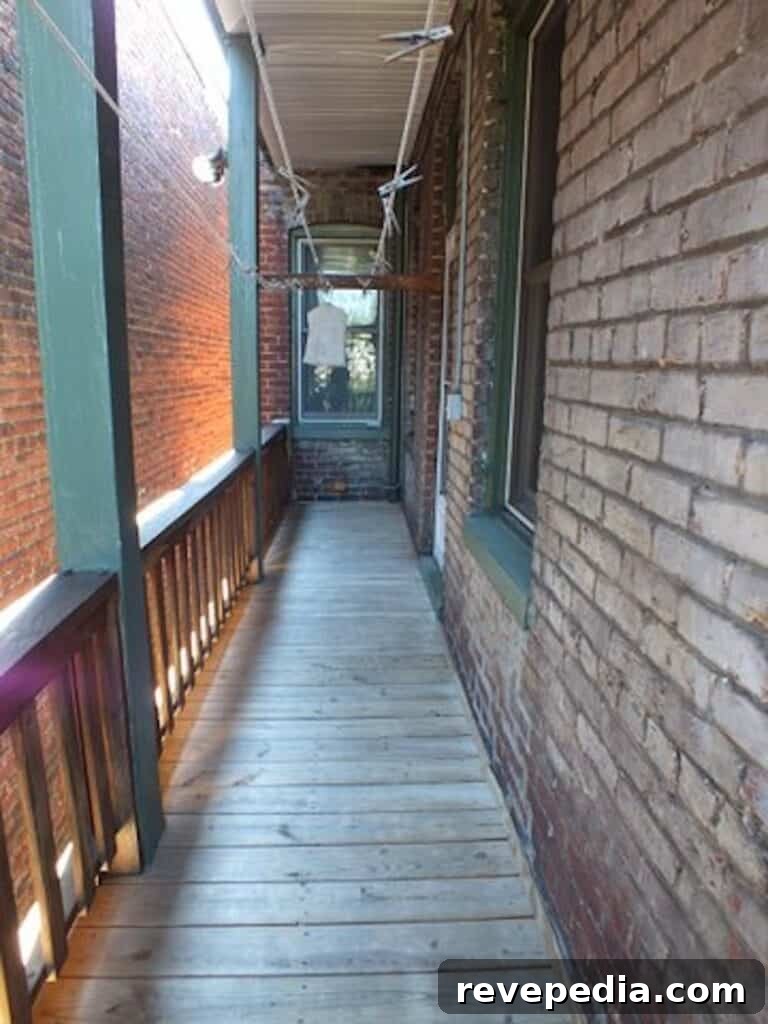
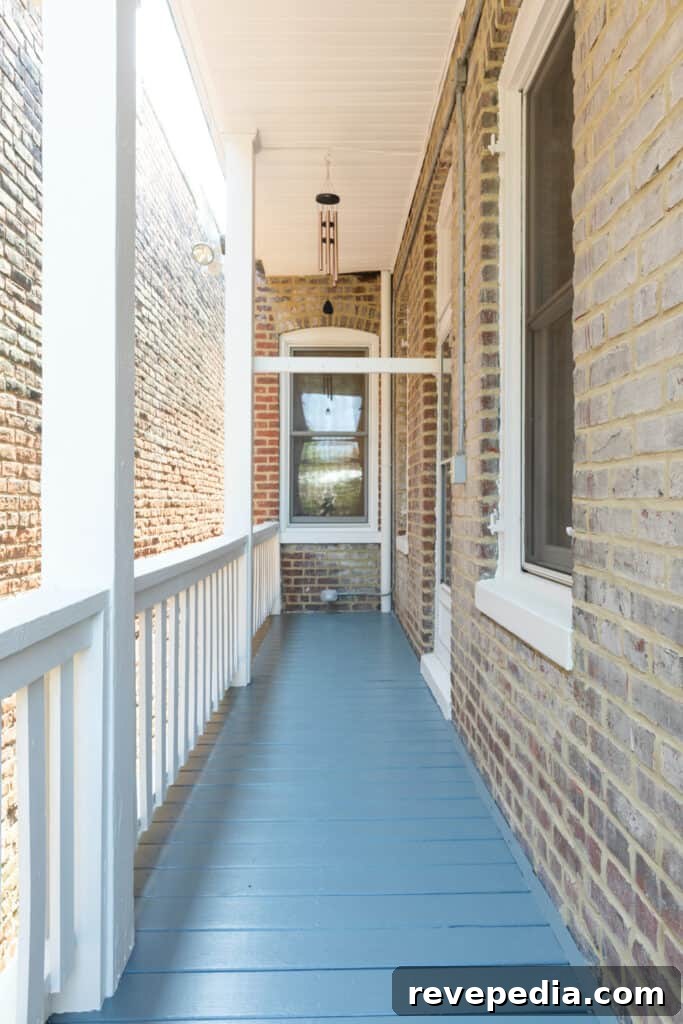
We revitalized the upstairs deck by painting the floorboards gray and the banisters white, after repairing and re-tuckpointing the exterior brick walls. Inside, we painted the upstairs hallway gray and replaced faux sun lights with recessed LED fixtures, which brightened the top-of-stair hallway considerably.
The Families Before Us
We kept in touch with Dr. Swezey and his wife over the years and even hosted them for dinner. Maintaining a connection with previous owners made our renovations feel like part of an ongoing story—like receiving a baton in a relay race. In improving the house, we honored what came before while bringing the home to a new level of comfort and function.
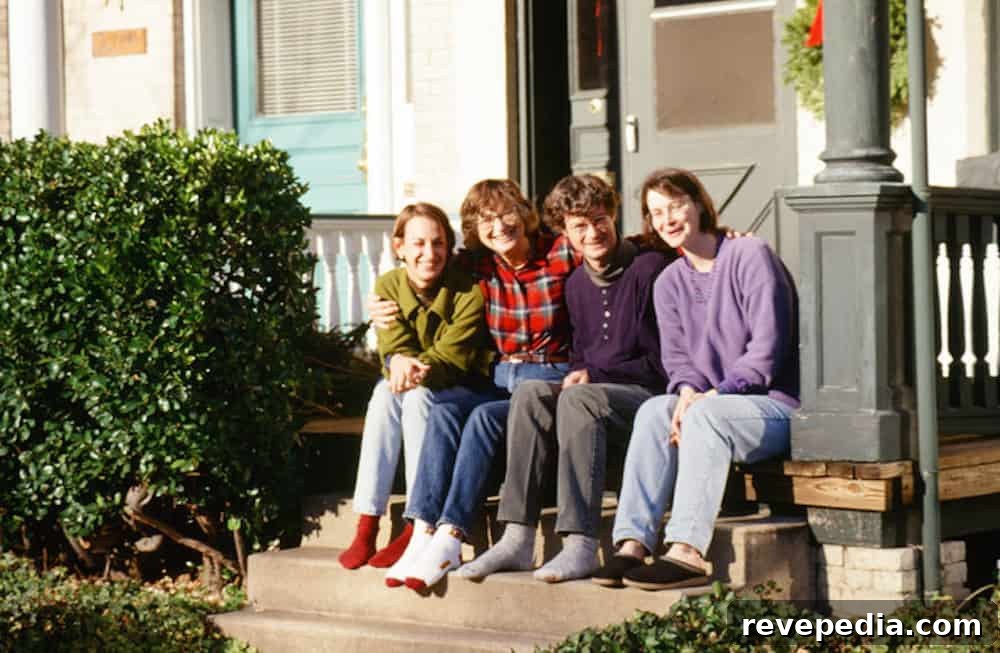
A few years ago, before the pandemic, a car pulled up and a family got out to look at our house. They introduced themselves as the Williams family, who had lived in the house before the Swezeys. We gave them a tour, and they shared fond memories of their time here—another thread in the home’s history.
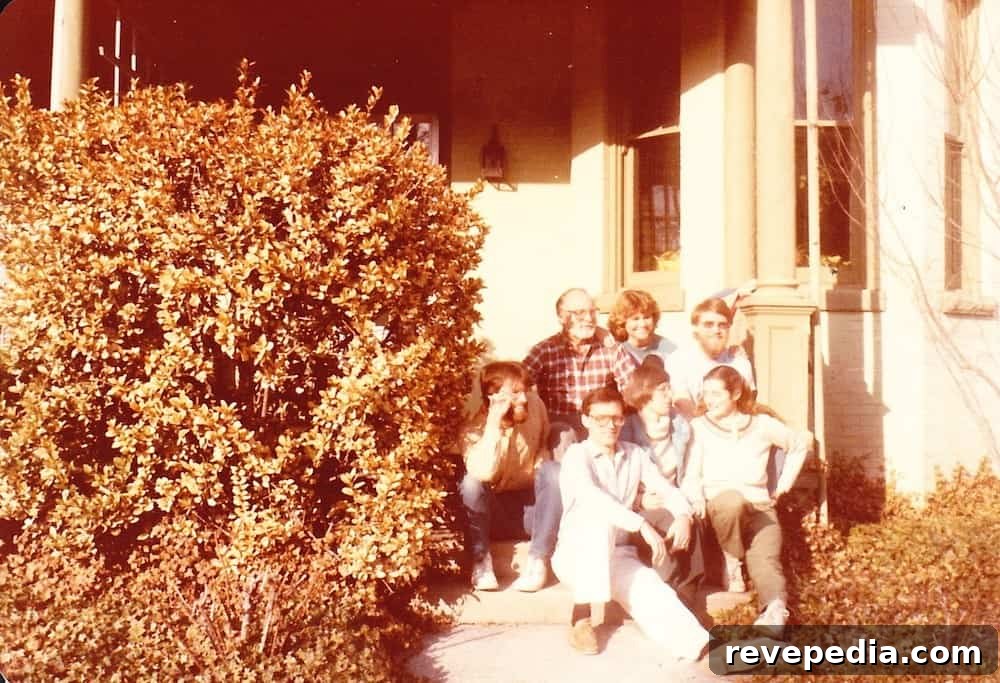
Thankfully, “God made a lot of days so that you would not try to do everything at once.” It took us eight years to renovate the physical elements of our house while raising two girls. Along the way, we grew to know the families who lived here before us and learned more about our home’s history.
Richmond Renovation Photos