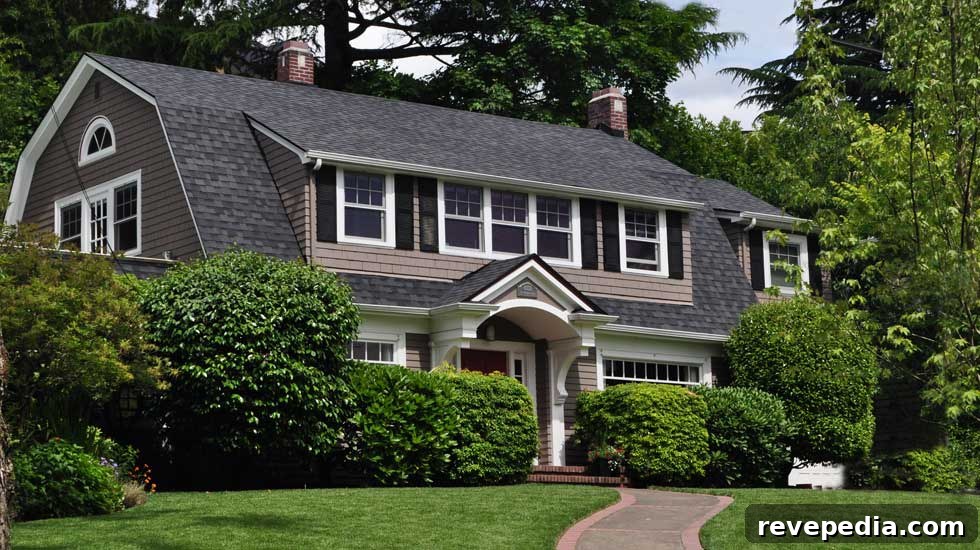
Roofs come in many forms, but they generally fall into two main groups: sloped roofs, which are often associated with particular architectural styles or climates, and flat or low-sloped roofs, commonly used in modern design and in regions with dry climates like the American Southwest.
Flat or low-sloped roof
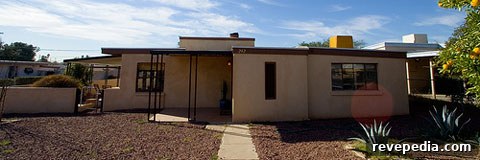
Flat and low-sloped roofs are a hallmark of contemporary architecture. They provide usable rooftop space for patios, gardens, or mechanical equipment and require specialized waterproofing and drainage solutions. Proper installation and maintenance are essential to prevent water pooling and prolong the roof’s lifespan.
Shed roof
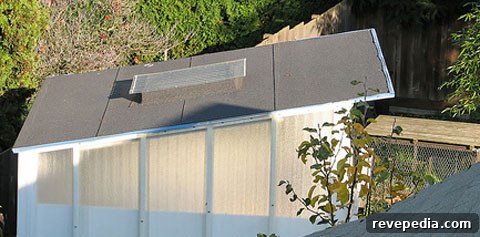
A shed roof is a single-sloping plane, often used for additions, modern homes, and small structures. Its simple form is economical to build and allows for high ceilings and large windows on the taller side, maximizing natural light.
Gable roof
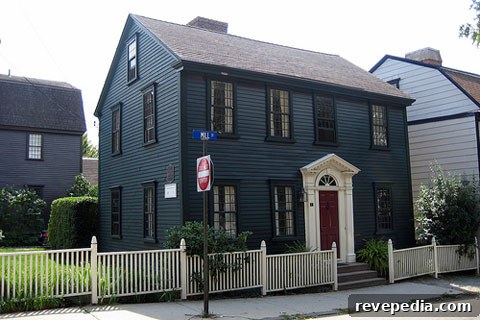
The gable roof is one of the most common roof types. It features two sloping sides that meet at a ridge, creating a triangular profile. Gable roofs shed water and snow effectively and provide attic space, but they can be vulnerable to high winds if not properly braced.
Saltbox roof
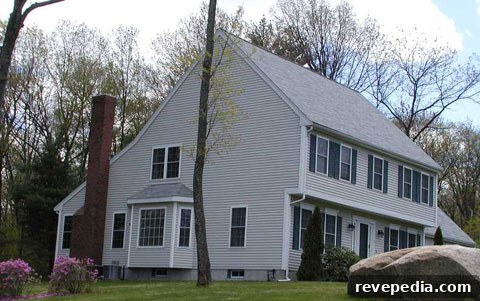
A saltbox roof has an asymmetrical long slope on one side and a shorter slope on the other. Originating from colonial New England, it provides extra interior space on one side of the house and channels rainwater efficiently off the long slope.
Gambrel roof
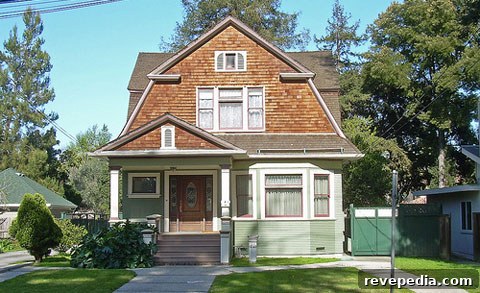
The gambrel roof, often seen on barns and Colonial-style homes, has two slopes on each side: a steeper lower slope and a shallower upper slope. This design increases usable attic or loft space while maintaining a compact roof profile.
Gable dormer roof
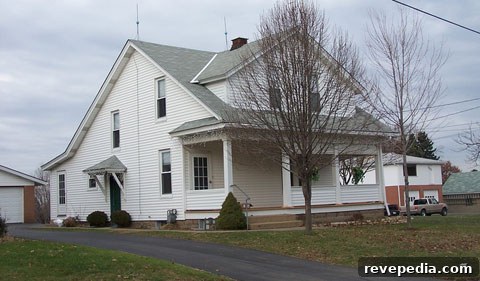
A gable dormer projects vertically from a sloped roof and has its own small gable. Dormers add headroom, light, and ventilation to upper floors or attics, and they enhance the building’s exterior character.
Shed dormer roof
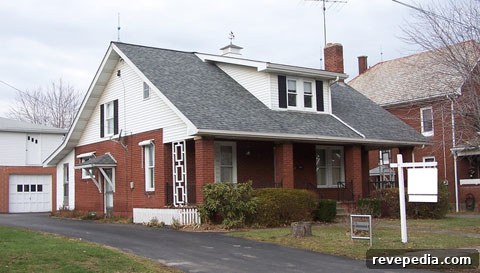
A shed dormer has a single sloping roof plane and is commonly used to expand habitable space under a pitched roof. Its straightforward geometry makes it easier and less expensive to construct than some other dormer styles.
Hip roof
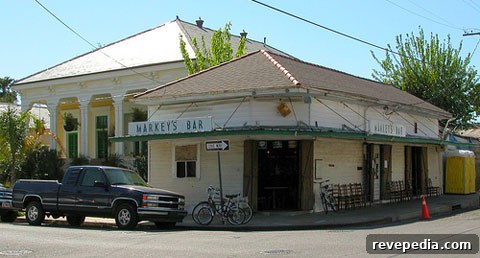
A hip roof slopes down on all four sides, meeting at a ridge or a single point. This stable design performs well in high winds and provides consistent eaves around the building. Hip roofs can be more complex and costly to build than gable roofs.
Mansard roof
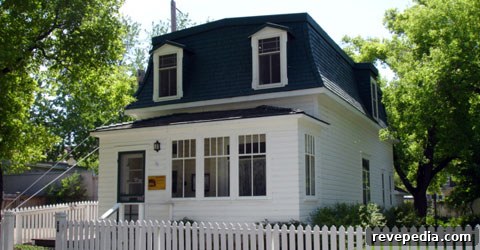
The mansard roof features two slopes on each side, with the lower slope being much steeper than the upper. This French-inspired design creates substantial attic or living space beneath the roof and is often associated with classical and Second Empire architecture.
Choosing the right roof type depends on climate, aesthetic preference, budget, and intended use of the space beneath the roof. Proper materials, installation, and maintenance are key to ensuring durability, energy efficiency, and long-term performance.