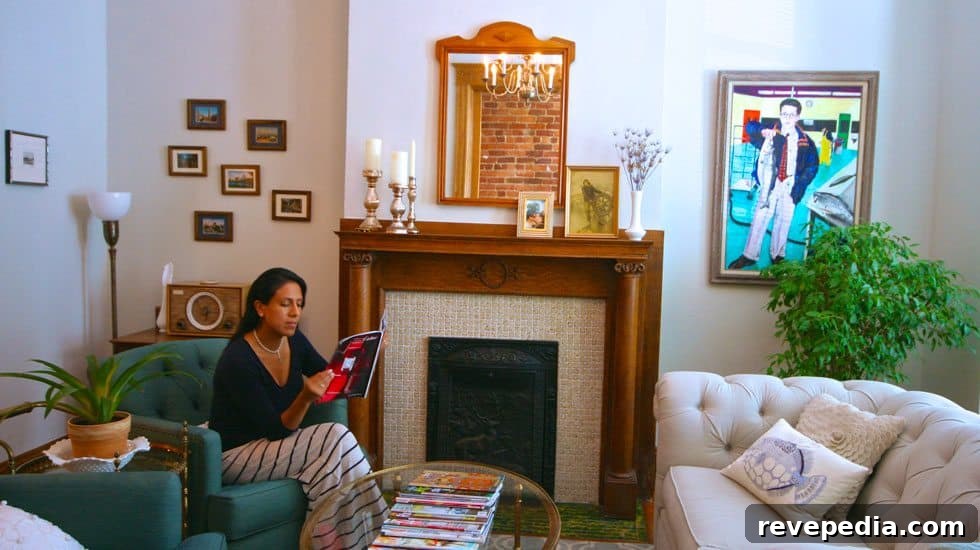
Lighting and feng shui are more closely connected than many people realize. Our friends Joe and Lulu Kutchera share their experience renovating a historic Richmond, Virginia home and explain why following feng shui principles matters to them.
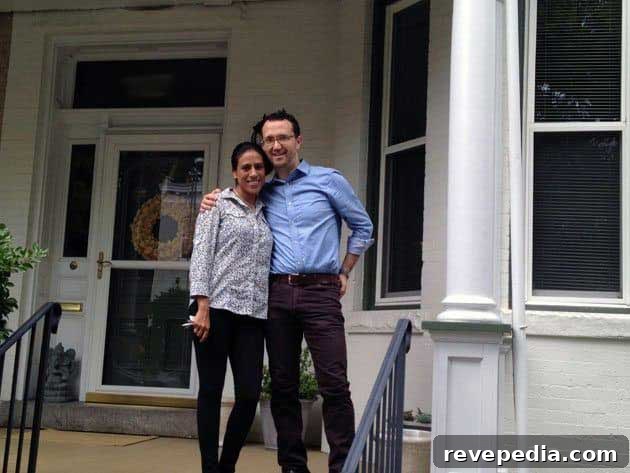
Hello — I’m Joe, and this is my wife, Lulu, standing on the front porch of our home in Richmond’s historic Victorian neighborhood known as “The Fan,” named for the fan-like pattern the streets form just west of Virginia Commonwealth University (VCU).
The Fan Area Historic District contains a cohesive collection of buildings in styles such as Italianate, Queen Anne, Colonial Revival, Bungalow, American Foursquare, Tudor Revival, and Spanish Colonial. Most homes were built between 1890 and 1930 as Richmond grew westward during a period of economic expansion.
About Us
Lulu and I moved to Richmond from Mexico City and Los Angeles so she could work at Sabra Dipping Company, which maintains a research and development headquarters nearby. You might recognize their hummus from grocery store shelves.
We met at LAX while waiting for flights: Lulu was returning from a business trip and I was heading to a meeting in Mexico City. A conversation on the plane led to dinner, a long-distance relationship, and eventually marriage. I work as a digital marketing consultant helping clients engage with Latin American and U.S. Hispanic markets.
Soon after settling in Richmond we began house hunting. The first house we saw that weekend was the one we eventually bought. We submitted an offer Monday and the sellers accepted the following day, making the process swift and surprisingly smooth.
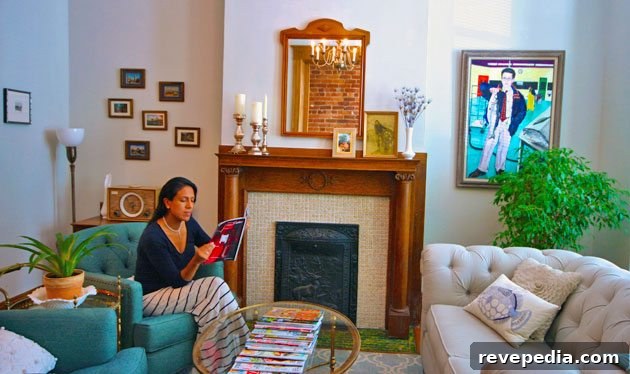
Casa Kutchera
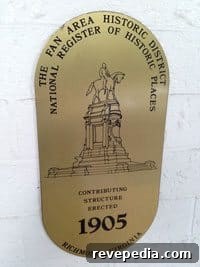
Our Queen Anne, two-story brick townhouse was built in 1905. A historic district plaque near our front door notes The Fan’s designation on the National Register of Historic Places. Fortunately, living in a historic district doesn’t always require expensive materials or special approvals for every update; the stricter requirements typically apply to individual historic structures rather than entire neighborhoods.
We closed on the house in October 2013 and moved in November. My belongings arrived from Los Angeles while Lulu arrived from Mexico with only a few suitcases. We began furnishing the house and slowly started renovations as we settled in.
Getting to Know Our “New” Old House
Before making major changes we decided to live in the house for a while so we could learn how each space felt and functioned. At first we arranged rooms much like the previous owners, but over time we adapted layouts and uses so the house reflected our needs and taste.
We love The Fan’s walkable character — local restaurants like Joe’s Inn are within walking distance and I can bike to the co-working space where I work. The houses here were built before cars dominated planning, so they sit close together. Our house shares a common wall with a mirror-image neighbor on the left and is only about two feet from the house on the right.
Favorite features include the front porch, stained wood floors, the front parlor, and the back deck. Inside, an exposed brick wall and an open wooden staircase in the entryway give the house character. A built-in bookshelf fits beneath the staircase, following its curve.
The Challenge: Lack of Light, Low Energy
Despite its charms, the house had a significant lighting problem. The living/TV room, front parlor, the middle interior bedroom, and the back deck all needed more light. The middle bedroom felt like a cave and became our least favorite spot — it ended up as storage for boxes and unused furniture. The previous owners had relied on floor lamps, which weren’t enough.
The back deck, dining room, and kitchen formed a dim area on the floor plan that made that part of the house feel neglected. We stored recycling in that dark corner by the side yard because it was the least used part of the house.
Unsurprisingly, these poorly lit areas depressed the overall energy and atmosphere of the home.
Feng Shui: Maximizing Positive Energy
As we settled in, lighting became a top priority because it visibly affected the house’s energy. I encouraged Lulu to learn more about feng shui and how it might guide our layout and lighting decisions.
Feng shui is often described as a Chinese system for arranging buildings and objects within them to align with spiritual forces and promote health and happiness. Although Lulu was skeptical at first, we both wanted to create a home with positive energy during our first year of marriage, so we embraced its practical recommendations for furniture placement and design.
We read Feng Shui Step by Step by T. Raphael Simons and hired local consultant Bonnie Primm. Applying feng shui proved more detailed than we expected: Bonnie asked for our birth dates, the orientation of the house, and the floor plan before meeting with us.
During her visit we used a Bagua energy map to analyze the floor plan. On our diagram the entrance wall is at the bottom, and because our front door sits on the left side of the façade, that area corresponds to wisdom, self-knowledge, and rest.
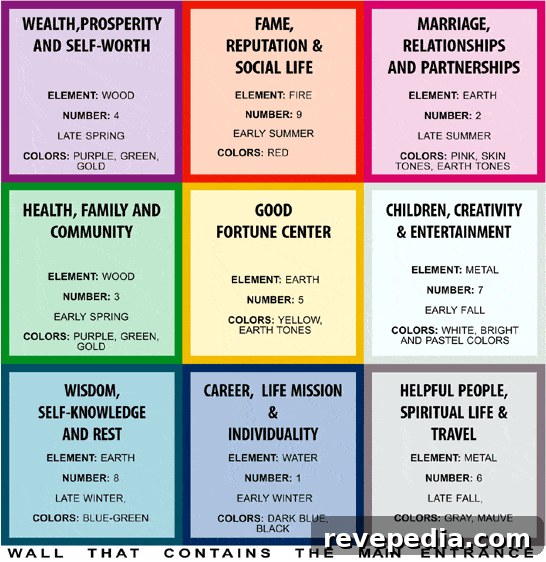
Our “marriage, relationships, and partnerships” sector fell in the back-right corner of the house — the same dark corner that included the back deck — which made us eager to brighten that area.
Many of Bonnie’s suggestions matched our own instincts, such as adding more light to interior rooms and the back deck. She also advised against opening up the living room, dining room, and kitchen into one large space. According to her guidance, the dining room benefits from being somewhat enclosed so it can retain nurturing energy rather than allowing that energy to flow straight through.
Bonnie recommended focused lighting for the interior corners and the outside deck to lift the energy in each space and make corners feel less intimidating. She also suggested converting the quiet, cave-like middle bedroom on the second floor into our master bedroom to make better use of the house’s layout and energy.
Stay tuned — in our next installment we’ll share the detailed plan for renovating and lighting our Richmond home and how those changes affected the energy and daily life at Casa Kutchera.