Modern homeowners increasingly prioritise efficiency and environmental responsibility when maintaining their properties. A common question is whether sustainable outdoor gear can match or surpass the performance of traditional alternatives.
Evidence suggests that many sustainable products deliver enhanced durability because they use higher-quality or reclaimed materials. Homeowners also ask practical questions about hydration gear—such as whether reusable bottles are dishwasher-safe—and about the broader environmental impact of production and disposal.
A well-made reusable flask can endure the rigours of outdoor work while actively reducing plastic waste. For example, some brands produce dishwasher-safe bottles from recycled stainless steel and reclaimed plastics, and certain manufacturers invest in plastic-collection initiatives in coastal communities to prevent pollution.
Investing in Durable Gardening Tools
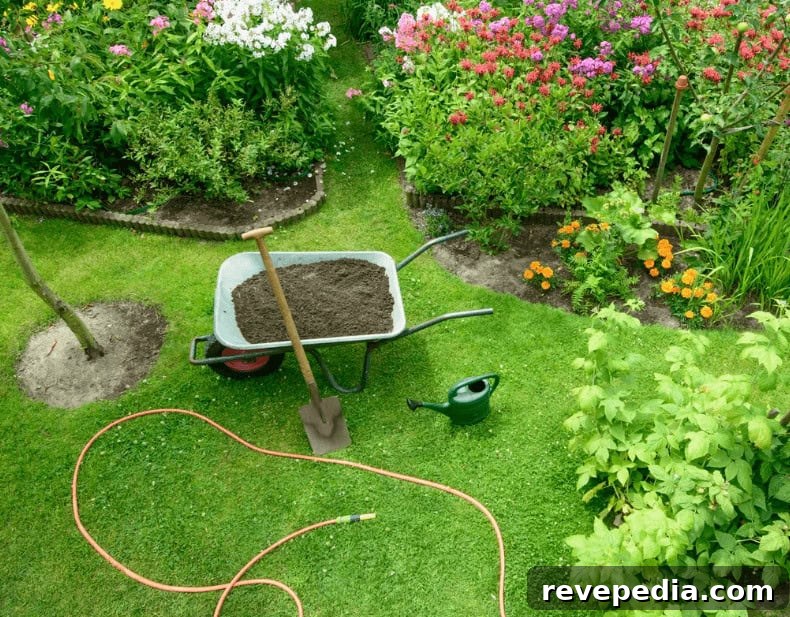
Sustainable gardening begins with the right tools. Low-cost, plastic-heavy implements tend to fail within a single season, contributing to landfill waste. Choosing tools built from FSC-certified timber and forged stainless or high-carbon steel reduces the need for frequent replacement and supports a circular approach to maintenance.
Wooden handles made from ash or hickory provide natural shock absorption, reducing wrist strain during repetitive tasks like digging or weeding. If a handle breaks, it can often be replaced without discarding the metal components, extending the tool’s usable life.
High-carbon steel is an excellent choice for shears and secateurs: it requires occasional oiling to prevent oxidation but holds a sharp edge longer than cheaper alloys, delivering better long-term performance.
Storage also matters. Garden sheds constructed from reclaimed pallet wood or naturally rot-resistant cedar provide suitable protection for equipment while minimising the need for chemical treatments. Avoid pressure-treated timber that can leach harmful compounds into the soil.
Responsible Hydration for Outdoor Projects
Physical labour in the garden or during home renovations requires steady hydration. Single-use plastic bottles are increasingly being replaced by durable, reusable containers that support sustainable lifestyles.
Vacuum-insulated bottles keep water cold for many hours and are especially useful during long stretches of outdoor work. Stainless steel is a preferred material because it resists impact, does not leach chemicals, and supports repeated use.
When choosing a bottle, consider material sourcing and construction: dual-opening lids and dishwasher-safe designs make cleaning easy, while recycled materials and brands that support waste collection programmes add environmental value. Carrying a robust, refillable bottle reduces reliance on single-use packaging and makes sustainable habits practical and convenient.
Solar Power and Efficient Outdoor Lighting
Garden illumination no longer requires extensive electrics or high energy bills. Advances in solar-powered LED technology have significantly improved brightness and battery life, allowing modern panels to harvest useful energy even on overcast days.
Motion-sensor LEDs are particularly efficient for security and functional lighting because they stay off until triggered, conserving battery life and reducing light pollution that can disturb wildlife.
When selecting solar lights, prefer models with replaceable lithium-ion batteries. Sealed budget units often become electronic waste once the battery fails, while modular designs allow batteries to be swapped so the solar panel and fixture can continue in service.
Panel positioning is essential: orient panels to face south where possible and keep them clear of shade from branches or fences. Regular cleaning of the panel surface maintains peak absorption and ensures reliable performance without drawing power from the mains.
Reclaimed Materials for Decking and Patios
Extending living space outdoors often involves decking or paving, and choosing materials carefully can reduce environmental impact. Tropical hardwoods linked to deforestation are best avoided; reclaimed timber and composite alternatives offer responsible options.
Reclaimed wood sourced from old barns or industrial buildings delivers a distinctive aesthetic and greater dimensional stability, since the wood has already seasoned and is less prone to warping or shrinkage.
Composite decking—made from recycled wood fibres and reclaimed plastics—provides a lower-maintenance option that resists weathering without the need for frequent staining or sealing, reducing chemical runoff into garden beds.
For patios, permeable paving allows rainwater to infiltrate the ground instead of running off, lowering flood risk and helping restore groundwater. Choosing locally quarried stone or recycled materials also cuts the carbon footprint associated with long-distance transport.
Waste Reduction Through Advanced Composting
Managing organic waste on-site is an essential part of a sustainable home. Composting garden and kitchen scraps reduces reliance on chemical fertilisers and returns nutrients to the soil.
Hot composting systems are effective in small urban gardens: insulated bins reach high temperatures quickly, breaking down organic matter in weeks and allowing for a wider range of inputs, including some cooked food waste.
Vermicomposting uses worms to convert kitchen scraps into a nutrient-rich fertiliser and works well in limited spaces. A small worm bin kept in a garage or utility area produces “worm tea,” a potent liquid feed for plants. These systems promote a closed-loop garden where waste becomes a resource.
Water Conservation Techniques
Water conservation is central to sustainable gardening. Installing a rain butt is one of the simplest and most effective strategies: a typical roof can collect thousands of litres annually, supplying plants with untreated water that lacks chlorine.
Drip irrigation delivers water directly to plant roots, reducing evaporation and ensuring efficient use. Combined with a smart timer, drip systems can run during cooler parts of the day to minimise loss.
Mulching with organic materials such as wood chips or leaf mould helps retain soil moisture, suppress weeds, and gradually replenish nutrients as the mulch decomposes. This reduces maintenance effort while improving soil health and resilience.
Conclusion
Adopting sustainable outdoor gear and practices allows homeowners to combine practical performance with environmental responsibility. Selecting durable tools, utilising solar lighting, choosing reclaimed materials, and adopting effective waste and water management all reduce ecological impact while enhancing the home’s usability and longevity.
These choices make outdoor living more resilient and enjoyable. Small, consistent changes—from the way we hydrate during a day of work to the materials we use for decking—contribute to a more sustainable future without compromising on function or comfort.