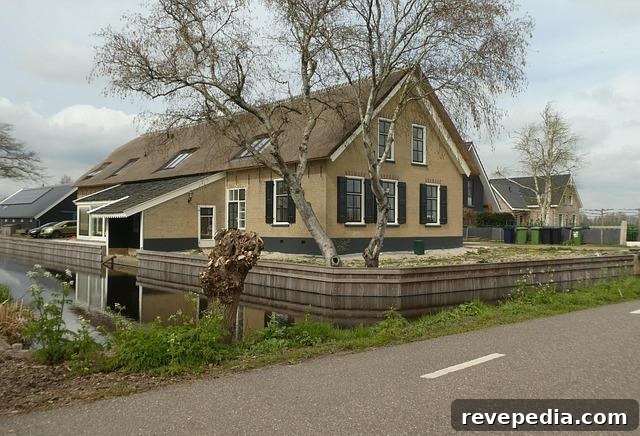
Construction and renovation projects are growing more complex each year. Rising material costs, labor shortages, tight schedules, and unexpected delays increase pressure on contractors, builders, and homeowners. To meet these challenges, many firms are adopting AI-powered tools to manage projects more efficiently, reduce costly errors, and keep work on track.
AI is already reshaping how construction teams plan, build, and renovate. Contractors use AI to monitor budgets, forecast delays, enhance job-site safety, and streamline communication among crews. Architects and designers employ AI tools to generate smarter layouts and accelerate the planning process. Rather than replacing workers, AI helps teams make faster, better-informed decisions, reduce waste, and maintain momentum throughout projects.
This article highlights eight practical ways AI is transforming construction and renovation in 2026.
Why companies are adopting AI in construction
Construction is one of the oldest industries, yet many processes still rely on spreadsheets, phone calls, and paper records. Decisions are often based on experience and intuition. When something goes wrong—a delayed shipment, a miscommunication, or equipment failure—the downstream costs can escalate before anyone recognizes the root cause.
The nature of construction work adds to the difficulty. Every site is different, conditions change daily, crews rotate, and variables such as weather, supply chains, and client decisions continually shift the plan. Historically, teams relied on human experience and adaptability rather than technology to respond to those challenges.
That is changing. A new generation of AI tools is being built specifically for construction’s complexity—systems trained on project data, site conditions, material pricing, and building codes. These tools differentiate between residential renovations and commercial builds, process thousands of variables, and surface the issues that matter most to project outcomes.
8 ways to use AI in construction and renovation in 2026
1) Implement smarter scheduling

Planning drives project success; delays, cost overruns, and missing materials can stall an entire job. AI speeds and improves planning by analyzing past projects to identify likely issues before work begins. It predicts delays, tracks material cost changes, and helps teams stay within budget, giving managers better control from the outset.
Scheduling becomes more responsive: timelines update automatically when site conditions change, helping crews, deliveries, and subcontractors adjust with minimal disruption. For renovations, AI also supports accurate cost estimating and space planning, with tools that propose efficient layouts and material lists. Improved planning reduces errors, lowers costs, and produces smoother project delivery.
2) Plan renovations more accurately
Homeowners and contractors use AI to reduce uncertainty in renovations. Platforms trained on thousands of projects can generate precise material estimates. Some apps let users photograph a room and receive a detailed renovation plan with itemized costs and recommended contractors within minutes.
AI visualization tools create photorealistic renders of finished spaces from photos, enabling decisions before construction starts and minimizing costly change orders. AI-fed thermal imaging and sensor data can reveal moisture, faulty wiring, or hidden structural issues behind walls before demolition begins, cutting surprises and reducing rework.
On the management side, AI tracks progress against the schedule, flags delays, and can verify phase completion from daily site photos before payments are released—streamlining contractor-homeowner handoffs and reducing administrative friction.
3) Address the skilled labor shortage
The industry faces a growing gap as experienced tradespeople retire faster than new workers enter the field. AI helps bridge that gap through two main effects: increased productivity and automation. AI tools supply real-time site information, material availability, and optimized task sequencing so crews spend less time idle and more time working efficiently. A well-equipped crew can significantly outperform a larger crew that lacks AI support.
Automation and robotics now handle repetitive tasks—bricklaying, rebar tying, concrete finishing, and drywall installation—on active job sites. These systems reduce manual volume work and allow skilled tradespeople to focus on tasks requiring judgment and expertise, improving overall productivity without displacing essential human oversight.
4) Generative design

Architects have always balanced constraints—budget, footprint, codes, and structural limits—while seeking optimal designs. Generative design reverses the traditional workflow: software generates hundreds of viable design options based on given constraints, and the architect selects among those alternatives.
Generative tools produce unexpected, efficient solutions by avoiding human habits and defaults. In commercial projects, AI-optimized structural designs can reduce material use without compromising safety, HVAC layouts generated algorithmically can improve energy performance, and floor plans optimized for daylighting can lower long-term lighting costs.
5) Improve budget management
Cost overruns are a persistent problem in construction. The root cause is often delayed or insufficient information—price spikes go unnoticed until orders are placed, subcontractor delays accumulate, and design changes trigger unmodeled costs. AI budget tools deliver real-time visibility: they monitor material prices, flag cost deviations from estimates, and assess the downstream impact of subcontractor delays before problems compound.
Advanced platforms analyze spending across many projects to detect where budget leakage typically occurs, which phases run long, and which material categories overshoot. That pattern recognition acts as an early warning system, enabling teams to intervene before overruns become critical.
6) Enhance worksite safety
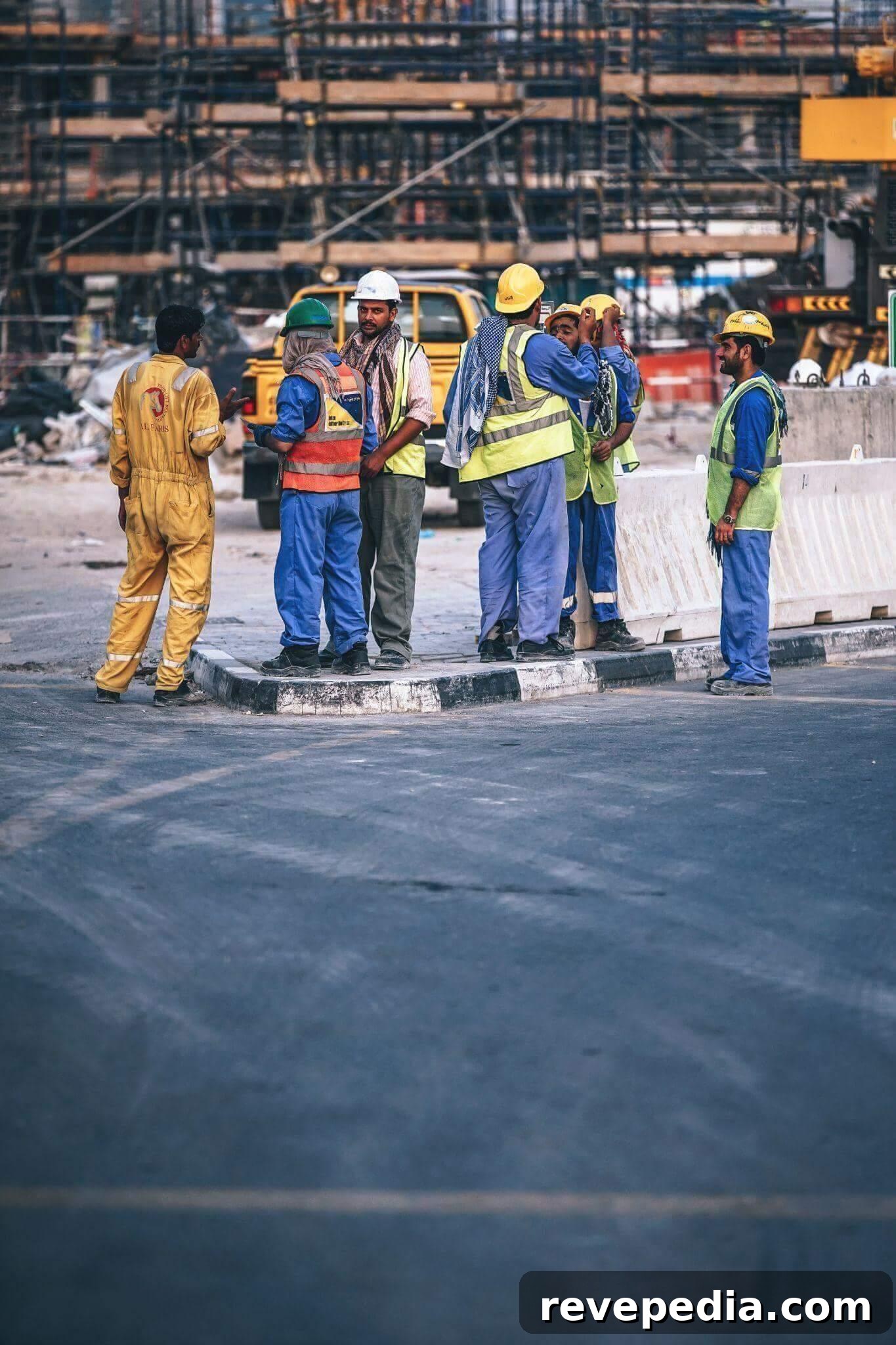
Construction remains one of the most hazardous industries—falls, equipment strikes, electrical incidents, and structural failures are persistent risks. AI is moving safety from reactive reporting to proactive prevention. Computer vision systems monitor job sites in real time, identifying missing personal protective equipment, unauthorized access to restricted areas, and potential collisions between workers and heavy machinery.
When risks are detected, alerts go to site managers instantly so corrective steps can be taken before incidents occur. This predictive approach reduces injuries and shifts safety management from responding to accidents toward preventing them.
7) Improve communication across teams
Construction involves many stakeholders—architects, engineers, contractors, subcontractors, suppliers, clients, and inspectors—often in large numbers on big projects. Miscommunication is costly: outdated drawings get built, verbal approvals are misunderstood, and completed phases can go unnoticed for days.
AI-enhanced communication tools use natural language processing to extract action items, decisions, and commitments from meeting notes, emails, and site reports. Project management platforms tracking those items reduce the chance that tasks fall through the cracks, ensuring clearer accountability and smoother coordination across teams.
8) Predictive maintenance
Equipment failure halts work. A broken crane, failed concrete mixer, or a generator outage can idle crews and derail schedules. Traditional maintenance tends to be reactive or calendar-based and accepts failure as inevitable. AI-powered predictive maintenance changes that by using sensors to continuously monitor vibration, temperature, pressure, and performance metrics.
AI models analyze equipment data in real time to detect subtle patterns that precede failure—changes in sound, movement, or fuel consumption that humans wouldn’t notice. Systems can warn maintenance teams days or weeks before a breakdown, allowing planned interventions that keep equipment running and projects on schedule.
AI is reshaping how construction and renovation projects are managed and planned
Conclusion
AI is transforming construction and renovation planning, management, and execution. From smarter scheduling and tighter budget control to safer job sites and more accurate renovation planning, AI tools help teams work faster, reduce mistakes, and deliver higher-quality results.
As these technologies mature, more contractors, builders, and homeowners will adopt AI to streamline projects and remain competitive. AI will augment skilled workers rather than replace them—supporting better decisions, improving communication, and enabling construction teams to complete projects more predictably and efficiently.