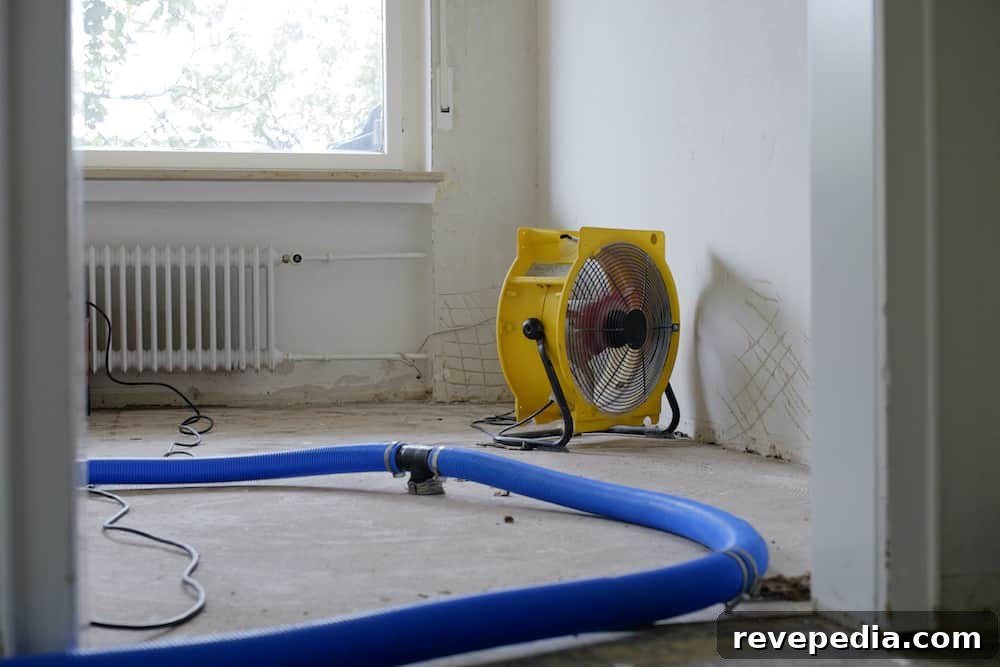
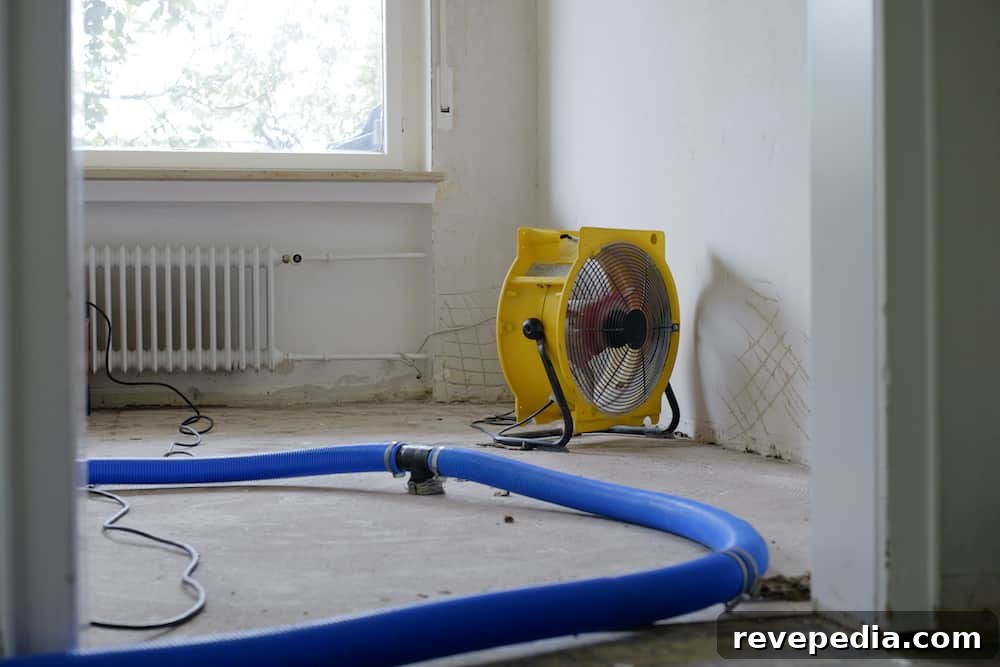
When water damage happens, the first priority is identifying the source and assigning the correct water category. Understanding the category is essential because it determines which materials are likely salvageable and which must be discarded for safety reasons.
Category III Water Is Dangerous
Category III water is the most hazardous. It includes water contaminated with sewage or toxic chemicals. Even if water appears clean—such as toilet water before an overflow—if its source is sewage or another contaminated supply, it must be treated as Category III. The origin of the water matters because pathogens and hazardous substances commonly inhabit these sources.
Put simply: even if water looks clean, you would not treat it as safe for consumption or household use if it came from a contaminated source.
What Can Be Salvaged After Category III Water Damage
With Category III contamination, assume porous materials are lost. Anything that absorbs moisture—drywall, carpet and pad, insulation, baseboards, many floor coverings, rugs, upholstered furniture—should be removed and discarded while wearing full personal protective equipment. The risk of lingering pathogens and toxins makes this the safest approach.
There are exceptions for highly valuable, one-of-a-kind items (antique rugs, rare textiles, irreplaceable artifacts). In those cases, consult a specialized restoration firm experienced in salvaging historic or high-value pieces. For ordinary household items, disposal is the recommended course to protect occupants from health risks.
Non-porous surfaces—ceramic tile, concrete, metal fixtures, and similar materials—can typically be cleaned and disinfected. Use a biocide appropriate for the job and follow the product label exactly. Stronger disinfectants are available through janitorial supply sources, but improper use can be hazardous and may violate regulations, so follow instructions and safety precautions carefully.
What Can Be Salvaged After Category I and II Water Damage
Category I and II water incidents are less hazardous than Category III, so salvage decisions focus primarily on the condition of the finished materials rather than the source of contamination. The extent of absorbed moisture, staining, structural damage, and how quickly you intervene all affect what can be saved.
Guidelines for Salvaging Common Materials
Carpet
Carpet padding should be removed and replaced. The carpet itself may be reusable if dried and cleaned properly, especially after Category I events. Category II water (which can contain soaps, dirt, or other contaminants) can stain or permanently damage carpet, but attempting professional drying and cleaning is often worthwhile before deciding to discard.
Wood Flooring
Wood flooring damage varies widely. Solid hardwood floors can sometimes be saved by experienced restoration professionals, but recovery can be costly and depends on how long the wood stayed wet and whether it warped or cupped. Engineered wood flooring is far more likely to suffer permanent damage and often requires replacement. Because opinions differ across the restoration industry, consult a qualified professional for an on-site assessment.
Baseboard
Baseboards may be salvageable if drying begins immediately after the incident. Natural wood baseboards have a better chance of recovery than engineered materials like MDF, which swell and deform with even minor moisture exposure and are usually unsalvageable. Acting quickly increases the likelihood of saving original trim.
Cabinets
Cabinet salvage depends on drying access and timing. Cabinets can often be restored if they are dried correctly, but air circulation under cabinet boxes is critical. Remove standing water, take off the toe-kick or baseboard at the cabinet front, and provide airflow beneath the cabinet—drilling small holes in the toe-kick every 12 inches or so and directing blower air into these openings helps. Many restoration firms use specialized adapters to force air under cabinets. If walls behind cabinets are saturated, it may be necessary to remove cabinets to prevent hidden mold growth on the wall surfaces.
Drywall and Plaster
Early intervention determines whether drywall or plaster can be saved. If only the paper facing of drywall is damp but the gypsum core remains intact and not crumbly, it can often be dried and retained. Once the gypsum starts to degrade and turn mushy, the drywall must be removed and replaced. Prompt action to dry affected areas is crucial.
Insulation
Batt insulation retains moisture and should be removed and replaced if it becomes wet. Even slightly damp insulation can foster mold growth if not thoroughly dried. Flooding that reaches above the wall’s sill plate generally necessitates removing and replacing both the drywall and the insulation because drying from one side is insufficient.
Wallpaper
Wallpaper that gets wet almost always needs replacement. The adhesive and paper typically lose integrity, so plan on removing and installing new wall coverings.
Rugs
Area rugs often can be salvaged by professional cleaners, depending on the rug’s value and the type of water exposure. Evaluate replacement cost versus cleaning and restoration fees before deciding.
Sheet Vinyl
Sheet vinyl flooring is difficult to dry in place and commonly delaminates or discolor weeks to months after exposure. Because sheet vinyl is typically inexpensive, removal and replacement are usually the most practical options.
Furniture: Furniture salvage depends on how quickly you respond. Remove items from wet floors and elevate them to maximize airflow and speed drying. Many furnishings can be saved if drying begins promptly, but upholstery and certain materials may require professional cleaning or replacement.
In all cases, timely action makes the greatest difference. Start drying and dehumidifying as soon as it is safe to do so, document damage for insurance purposes, and consult qualified restoration professionals when contamination, structural issues, or valuable items are involved. Prioritizing health and safety by discarding contaminated porous materials and using appropriate disinfection methods will protect occupants and reduce the risk of mold and other long-term problems.