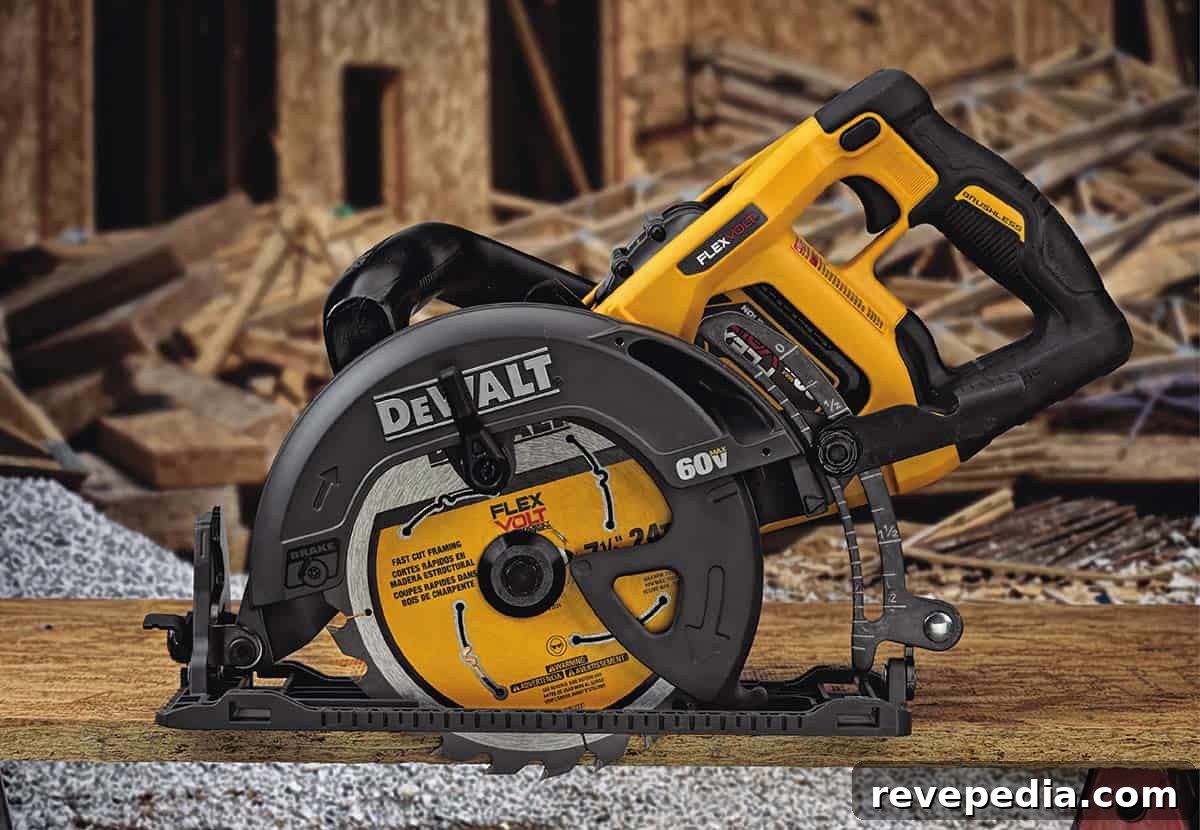
Since brushless drills and tools first appeared, we’ve recommended them for professional and DIY users alike. Early on, the main drawback was higher cost compared with equivalent brushed-motor tools. As manufacturers such as DeWalt, Milwaukee, Makita and Bosch push battery and motor technology forward, extracting more power and longer runtime from each cell becomes increasingly important. Brushless motors are the most efficient method to convert battery energy into usable tool power.
Bill Gallagher, Director of Engineering for Drilling and Vertical Fastening at Stanley Black & Decker, provided a clear, practical explanation of how brushless motors work compared with brushed motors. His overview makes a strong case for choosing brushless tools when possible. The only short-term advantage of a brushed tool is lower upfront cost; in the long run, brushless tools typically last longer and deliver better efficiency, so they usually pay for themselves over time.
Brushless Motors vs. Brushed Motors
Brushed motors are mechanically simple and straightforward. When supplied with current and voltage, they produce torque at a controllable speed, and reversing the battery polarity reverses motor rotation. The name “brushed” refers to carbon or metal brushes—sliding contacts inside the motor—that conduct power from stationary wires to the rotating armature through a commutator attached to the armature shaft. The armature windings, made of copper coils around laminated steel, become electromagnets when energized.
Those coils form alternating north and south poles depending on brush position relative to the commutator. Energized coils are attracted to the opposite poles of the permanent magnet housing, and as the armature spins the commutator mechanically switches polarity so the rotation continues. The physical contact between brushes and commutator generates friction, arcing and resistance, which in turn produce heat and reduce efficiency.
Brushless motors operate on a different principle. In a brushless design, the windings are fixed in place as the stator, and the permanent magnets are mounted on the rotor—the spinning element—opposite the arrangement in a brushed motor. Because there’s no commutator or brushes, there’s no sliding contact that creates mechanical friction or electrical losses.
That advantage comes with a requirement: the tool’s electronics must handle the job of switching coil polarity, a task the commutator performed in brushed motors. The controller also needs to know the rotor’s position so it can energize the correct coils at the right time. This is commonly achieved with Hall effect sensors that detect the magnetic field of the rotor magnets or a dedicated magnetized disc aligned with the rotor. Some tools use sensorless control, inferring rotor position from back-EMF and timing.
Advanced control algorithms in the motor controller energize and hold coils at precise moments to produce optimal torque, power and efficiency across the motor’s RPM range. Those algorithms can adapt dynamically to load and speed, improving performance, extending runtime and reducing heat. That combination of electronics and motor design is why brushless motors have become the preferred choice in modern cordless tools.
With toolmakers able to take full advantage of brushless technology and smarter battery packs, product development is accelerating quickly. As efficiency and durability improve, brushed motors may increasingly be confined to lower-cost or legacy corded products, while brushless tools continue to dominate the cordless landscape.