
Working with a skilled interior designer brings expertise, creativity, and coordinated project management that can turn your ideas into a cohesive, beautiful home. To get the most from a full-service interior design engagement, come prepared with focused questions. Knowing how a designer works, how they manage costs, and how they communicate will set the stage for a productive partnership and help you avoid surprises.
Use the questions below as a guide when choosing an interior designer and as conversation starters that will help define expectations for the project.

Image source: Pexels
What Services Are Included in Your Full-Service Interior Design Package?
“Full-service” can mean different things depending on the firm. Ask for a clear list of included services so you know exactly what to expect. Typical inclusions might be:
- Initial consultations and site assessments
- Design concept development and drawings
- Material, finish, and fixture sourcing
- Procurement and ordering
- On-site project supervision and installation oversight
- Final styling and post-installation support
Getting this in writing avoids misunderstandings later in the process.
What Experience Do You Have With Similar Projects?
Experience matters. Ask about previous projects that match your scope, scale, and style so you can gauge whether the designer has the right background. Useful questions include:
- What is the typical project size and scope you handle?
- Have you worked on this property type (single-family home, condo, historic property, etc.)?
- Do you specialize in any design styles?
- Do you have experience with renovations and construction, or primarily with decorating?
- Have you managed bespoke or custom-built elements before?
Review portfolios and ask for case studies that show relevant problem-solving and outcomes.
Can You Walk Me Through Your Design Process?
Understanding a designer’s workflow clarifies what will happen at each stage and when your input is needed. A typical process might include:
- Discovery and client consultation
- Concept development and mood boards
- Design presentations and revisions
- Selection of materials, finishes, and furnishings
- Procurement, ordering, and logistics
- Project management and coordination with contractors
- Installation, styling, and final walkthrough
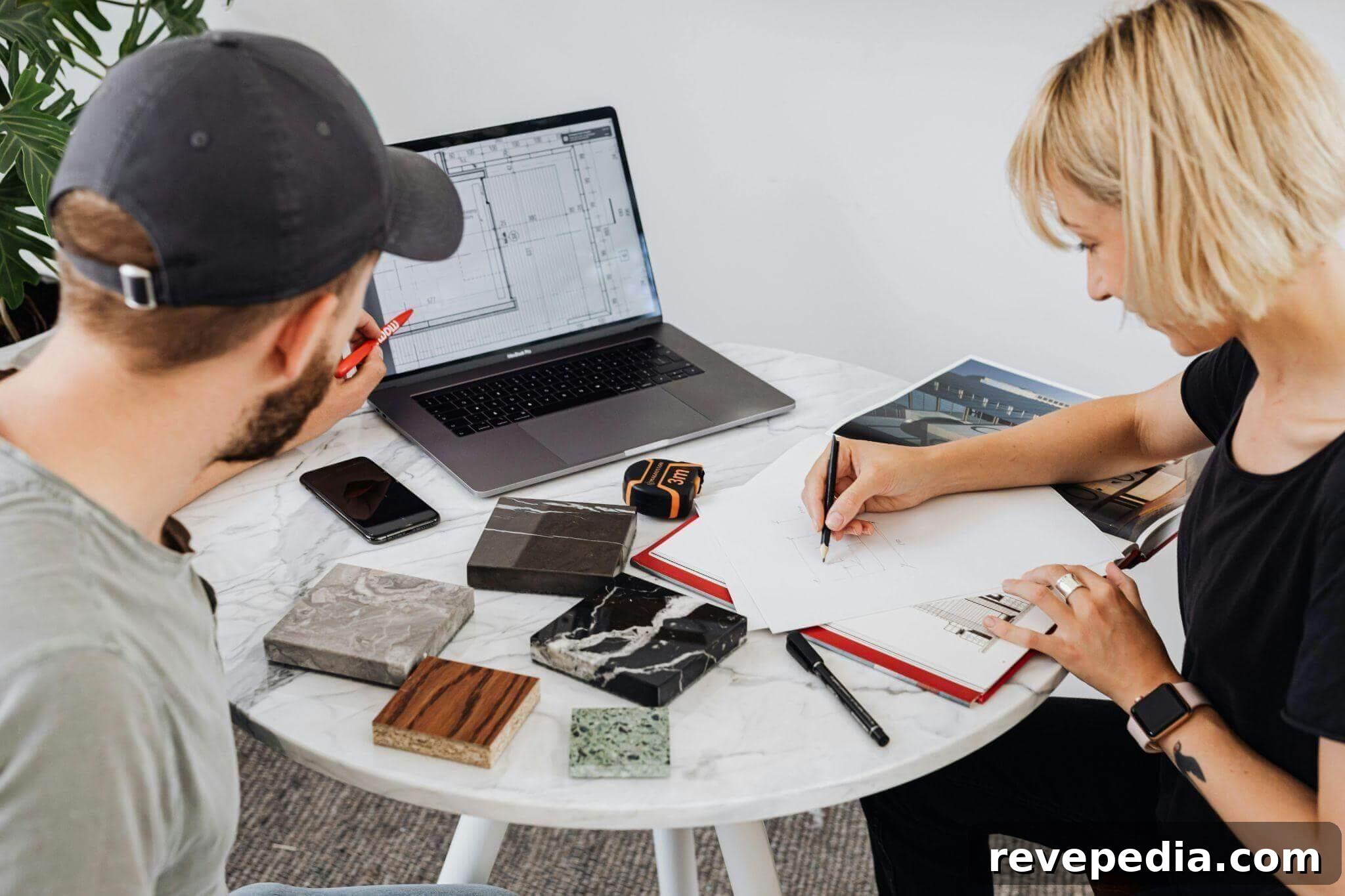
Image source: Pexels
How Do You Handle Budget Planning and Cost Transparency?
Clear budget communication is essential. Ask how the designer estimates costs, how they track spending, and how often you’ll receive updates. Specific questions to ask:
- How are design fees structured—hourly, flat fee, or percentage?
- Are there markups on products and trades? If so, what are they?
- How are change orders and budget overruns handled?
- What is the process and frequency for budget reporting?
- Are contingencies built into the budget for unexpected costs?
Transparent financial practices help you make informed decisions and avoid unwelcome surprises.
Who Will Be Managing My Project Day to Day?
In larger firms the person you meet initially may not supervise daily operations. Clarify who is responsible for:
- Primary client communication
- Scheduling and timelines
- Coordinating contractors and trades
Knowing your point of contact improves communication and speeds decision-making.
How Do You Approach Personal Style and Client Preferences?
A strong designer creates a space that reflects the homeowner’s lifestyle and taste rather than imposing a signature look. Good designers will ask about:
- Your aesthetic preferences and dislikes
- Functional needs and daily routines
- Family composition and lifestyle considerations
- Long-term goals for the space
- Inspirations, mood images, or reference spaces you like
Collaboration, listening, and customization are key to a successful result.
What Is Your Approach to Sourcing Furniture and Materials?
Designers often have access to trade-only vendors, custom furniture makers, and specialty suppliers. Important topics to cover include:
- Vendor and trade relationships
- Options for custom or made-to-measure furniture
- Availability of sustainable or eco-friendly materials
- Product warranties and service policies
- Typical lead times and how product delays are managed
How Do You Handle Challenges or Unexpected Issues During a Project?
Projects can encounter delivery problems, contractor delays, budget shifts, or site surprises. Ask how the designer addresses common issues such as:
- Product backorders and substitutions
- Construction or scheduling delays
- Budget adjustments and approvals
- Design changes and revision cycles
- Unforeseen site conditions or code issues
Look for demonstrated problem-solving strategies and examples of how the designer resolved past challenges.
What Do Previous Clients Say About Working With You?
Client testimonials and references offer insight into a designer’s real-world performance. When reviewing references, pay attention to comments about:
- Communication and responsiveness
- Professionalism and reliability
- Ability to stay on budget and schedule
- Creativity and quality of design solutions
- Overall satisfaction with project outcomes
What Should I Expect Before, During, and After the Project?
Ask for a clear timeline and milestones so you know what to expect at each stage. Topics to clarify include:
- Estimated project timeline and key milestones
- How often you’ll receive updates and the preferred communication methods
- Decision deadlines and when you’ll need to provide approvals
- Installation procedures and access requirements
- Post-project support, follow-up, and any warranty service
A documented plan and regular communication produce a smoother, more organized experience.
Conclusion
Choosing the right full-service interior designer goes beyond admiring a portfolio. It means selecting a professional who understands your goals, communicates clearly, manages budgets and schedules reliably, and delivers a personalized design experience. Asking the right questions up front helps you find a partner who will translate your vision into a home you love.