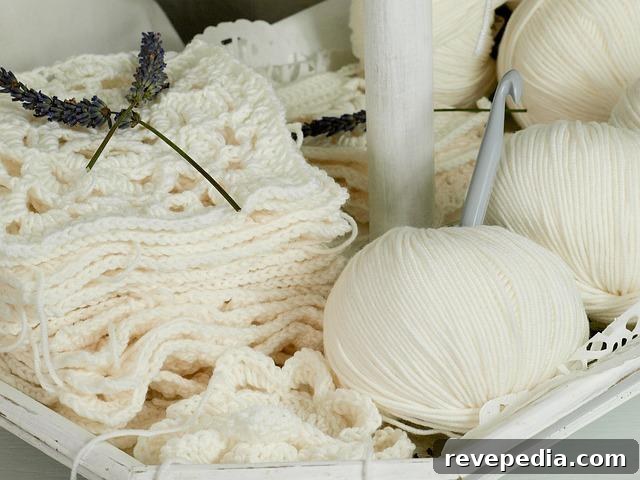
The top easy DIY gift ideas that look expensive include a simple wooden serving board, a poured concrete planter, a no-sew fleece throw, and a beginner-friendly handmade crochet scarf.
By avoiding predictable big-box purchases, you can create thoughtful, elevated presents without advanced crafting skills.
Research shows many consumers prefer giving handmade or DIY gifts during the holiday season. These four approachable projects require only basic supplies and can be completed in a single afternoon.
When a gifting occasion arrives and time is short, default options often feel uninspired before they are even wrapped.
There’s a common tension between wanting to give something intentional and having zero extra hours in the week. Smart shortcuts are not cheating—they’re practical. Mastering one foundational technique is the key to producing items that feel artisanal rather than merely homemade.
Whether that means learning to seal raw wood properly or practicing the double crochet stitch for a handmade scarf, these skills make your results consistently sturdy and genuinely impressive.
Idea 1: A Simple Wooden Serving Board (or Tool Tote)
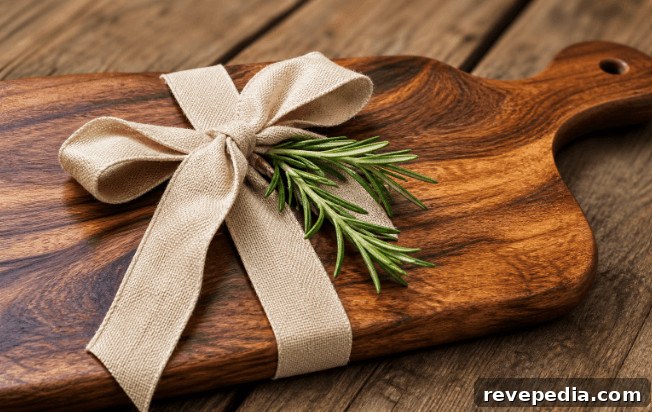
This is an elevated kitchen gift that can pass for a boutique find. It realistically takes about 45 minutes of active work to finish.
Raw, unfinished wood transforms dramatically with a coat of food-safe oil; the finish does most of the visual work for you.
Materials List:
- Unfinished wood serving board or small wooden crate
- Food-safe mineral oil or wood butter
- Clear matte sealant (if making a non-food tool tote)
- Clean, soft cloth
- Optional: leather cord or small brass hardware
Step-by-Step Breakdown:
- Lightly sand any rough edges or sharp corners.
- Wipe the entire surface clean with a dry cloth.
- Rub mineral oil or wood butter generously into the grain.
- If making a tote, attach a simple leather strap handle or minimal hardware.
Mineral oil will require occasional reapplication. Including a handwritten care note with the board—explaining how and when to re-oil—turns a basic present into a considered one.
To gift: tie a wide linen ribbon around the board and tuck a sprig of dried eucalyptus or fresh rosemary under the bow. No wrapping paper is needed; the rich texture of oiled wood presents itself.
Idea 2: A Poured Concrete Planter
Poured concrete projects are the grown-up version of making mud pies, yielding heavy, cool-to-the-touch objects with a minimalist aesthetic.
Matte, sculptural planters resemble those sold in upscale garden shops but begin with an inexpensive bag of concrete mix, making them cost-effective and low-waste. Handmade items like this also appeal to people mindful of a gift’s environmental impact.
Materials List:
- Quick-setting concrete mix
- Two nesting plastic containers (one smaller than the other)
- Cooking spray or household oil
- Small succulent or air plant
Step-by-Step Breakdown:
- Coat the inside of the larger container and the outside of the smaller container with oil.
- Mix the concrete per package instructions to a thick consistency.
- Pour about an inch of concrete into the larger container, press the smaller container into it, and weigh it down.
- Let the concrete set overnight, then remove the molds and lightly sand any sharp spots along the rim.
The slightly irregular top edge is a hallmark of cast concrete, not a defect. Place a low-maintenance succulent or air plant inside the finished planter, then wrap the base in a textured tea towel and secure it with natural twine. The weight and matte finish immediately convey quality.
| Key Insight: The uneven top edge of a concrete planter is artisanal. Its cool weight and matte texture communicate quality instantly. |
Idea 3: A No-Sew Fleece Throw
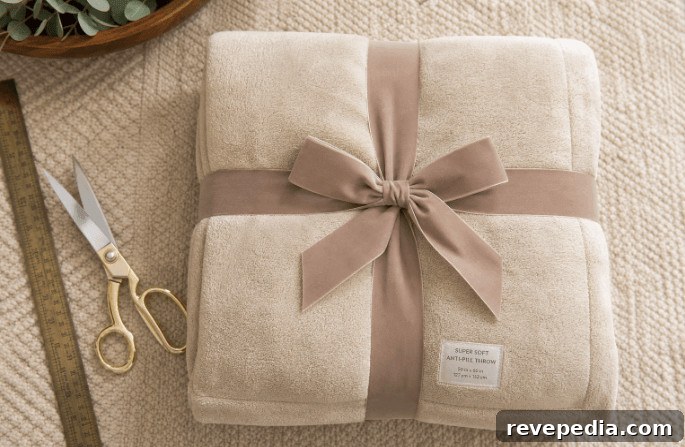
A no-sew fleece throw is a guaranteed crowd pleaser that requires no sewing skills, machines, or textile experience. The plush material does the emotional work for you.
Materials List:
- 2 yards of high-quality, anti-pill fleece
- Sharp fabric scissors
- Ruler or measuring tape
- Optional: masking tape to guide straight cuts
Step-by-Step Breakdown:
- Trim the fleece to an even rectangle.
- Cut a four-inch square from each corner so the fringe won’t bunch up.
- Cut four-inch-deep slits every inch along all four edges to create fringe strips.
- Tie each fringe strip in a simple knot around the perimeter.
Quality anti-pill fleece won’t fray and stands up well in a regular washing machine. Because no finishing seam is required, the blanket is low-maintenance. Note on a care tag that the throw is machine washable—this makes it practical for daily use.
To present it: fold the finished throw into a tight square and tie it with a wide velvet ribbon. The contrast between plush fleece and smooth velvet instantly reads as luxurious, elevating the casual blanket.
Idea 4: A Handmade Crochet Piece, Like a Scarf or Small Blanket
Crochet can seem intimidating, but once you find the rhythm, it’s one of the laziest options on this list. A chunky scarf works up quickly with a low mental load and steady progress.
The right stitch keeps the project moving. The double crochet is taller than a single crochet and works up much faster while producing a clean drape. Most beginners find their rhythm within a single row, making a weekend scarf achievable.
Beginners often stall at the very start—tying a slipknot, establishing tension, and keeping an even gauge can be frustrating. Using a pre-started piece or a beginner kit lets you skip that setup and practice the main stitch immediately, speeding confidence and progress.
Practicing on a small swatch uses the same mechanics required for a full scarf. Choose a yarn where individual stitches are visible to make learning easier, and pair practice with video tutorials or local classes if helpful.
Scarf Pattern Basics:
- Chain 25–30 stitches in chunky yarn for a comfortable width.
- Double crochet across every stitch, turn, and repeat.
- Beyond the first row, counting isn’t required: the motion becomes automatic.
Pick a chunky-weight yarn in heathered gray, oatmeal, or deep forest green—natural, muted colors read as expensive regardless of brand. For a washable gift, choose high-quality acrylic or superwash wool that won’t felt in the wash.
Leave a six-inch tail at the start and end of the project and weave them securely into the stitches to prevent unraveling. Include a small care note with washing instructions to help the recipient preserve the piece.
Roll the completed scarf and secure it with natural twine or a leather cord. Tuck in a warm, honest note about the crafting process to add personality. Gifting a beginner crochet kit alongside the finished item offers a screen-free activity for a friend.
| Pro Tip: If the first row of crochet feels intimidating, a pre-started piece or beginner kit lets you jump straight into practicing the double crochet stitch and build confidence quickly. |
Putting It All Together
The best handmade gifts aren’t defined by extreme complexity or mastery. They’re defined by the quiet decision to set aside a few hours and make something with intention. Trying something new for a few hours on behalf of someone else is what makes the item special.
Whether you oil raw wood, pour concrete, knot fleece, or crochet a scarf, start this weekend. The materials are ordinary, the steps are manageable, and the result—a beautiful, elevated object you made with your own hands—is truly priceless.
| Author Profile: The Woobles is an e-commerce brand offering beginner-friendly crochet kits that teach novices how to crochet through structured, character-based projects. |