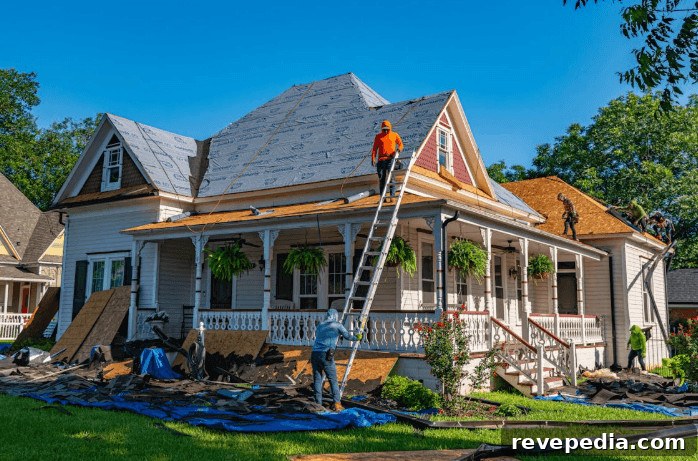
Have you ever stared at a peeling porch railing or cracked siding and thought, “How hard could a full exterior renovation really be?” That question has launched countless do-it-yourself schemes, professional projects, and even the occasional neighbor dispute. Exterior renovations now sit at the intersection of rising property values, climate-driven risks, and social-media expectations, so what began as a ladder-and-paintbrush job can quickly become a major investment in time, money, and planning.
Homeowners are no longer simply improving appearances. They are reinforcing homes against storms, reducing energy costs, and protecting market value in neighborhoods where a neglected facade can cut thousands from a sale price. The stakes feel surprisingly high for work that often starts with a visit to the local hardware store.

The Budget Always Expands
Most renovation plans begin with a neat spreadsheet and optimistic estimates. Reality, however, tends to arrive in work boots. Material prices—especially lumber and specialty products—remain volatile because shipping, manufacturing, and labor markets are still adjusting. What looks affordable in winter can increase by 10–30% within months.
Experienced homeowners build a contingency fund before demolition starts. Once siding, roofing, or trim come off, contractors often uncover hidden problems: water damage, outdated or dangerous wiring, or rotten framing. These discoveries are unpleasant but common, and failing to account for them usually multiplies the final cost. Addressing underlying issues early avoids paying twice and helps maintain safety and durability.
The Weather Is Less Predictable
Exterior work depended on seasonal windows of fair weather for decades. Increasingly unpredictable weather patterns—earlier storms, hotter summers, and more intense rainfall—now force contractors and homeowners to adapt schedules on the fly. Sudden wind events or a week of unseasonable rain can halt progress and expose unfinished work to damage.
Before hiring a contractor, ask how they manage weather-related delays, protect materials on site, and secure emergency tarping. Firms accustomed to working in hurricane, flood, or wildfire zones often have better contingency systems. A low bid can look attractive until an uncovered roof leaks into a newly renovated interior, turning savings into a costly repeat repair.
Permits Are the New Waiting Game
Municipalities increasingly treat exterior home improvements with the same scrutiny once reserved for commercial construction. Codes around drainage, energy efficiency, and structural resilience have tightened, and inspections can add days or weeks to a schedule. Tasks that used to be straightforward—like replacing windows—now sometimes require multiple approvals and documented compliance.
Though frustrating, these requirements aim to prevent failures that cause significant damage or danger. Skipping permits can create serious challenges at resale: buyers, appraisers, and lenders often insist on proof that renovations complied with local code. Investing the time to obtain proper approvals protects long-term value and reduces legal or financial exposure.
Materials Are Tied to Global Supply Chains
Exterior renovations increasingly depend on international supply chains. Tariffs, port congestion, labor disputes, and fuel price spikes can delay shipments of siding, stone veneer, roofing shingles, and windows. A geopolitical event or factory shutdown on the other side of the globe can force homeowners to wait or accept substitute materials.
Order critical components early and get availability confirmations in writing. Contractors sometimes quote products that are backordered for months; building flexibility into the plan helps accommodate substitutions without derailing the whole project. Treat delivery schedules as active project elements rather than assumptions: a missing shipment often stalls every dependent task.
Neighbors Become Stakeholders
Exterior projects are public by nature. Unlike an interior remodel, a new roof, siding, or deck unfolds in full view of the street. Noise, dumpsters, blocked driveways, and worker parking can quickly strain relationships. In close-knit neighborhoods, a renovation can feel like an uninvited community event.
Clear and courteous communication goes a long way. Notify neighbors of the schedule, expected noise levels, and planned work hours before demolition begins. Small gestures—warning residents about early concrete pours or sharing a contact number for complaints—can prevent misunderstandings from escalating. Many disputes start with minor annoyances that grow into bigger conflicts over parking, property lines, or timing.
Energy Rules Keep Changing
Energy efficiency is now a central consideration for exterior upgrades. Federal tax credits, state rebate programs, and evolving building standards influence choices about insulation, windows, roofing, and siding. Homeowners who ignore these changes risk paying more for solutions that underperform compared with newer, code-compliant options.
Good exterior renovations pair durability with efficiency: improved wall insulation reduces heating and cooling loads, while reflective or ventilated roofing lowers indoor temperatures during hot months. With utility costs rising faster than wages in many areas, energy-conscious upgrades move from luxury to practical necessity, delivering ongoing savings that offset upfront costs.
The Best Renovation Respects the House
Successful exterior projects enhance a home without compromising its character or structural logic. Older houses, in particular, offer clues about what will work: original drainage paths, roof pitches, window proportions, and material transitions often reflect decades of adaptation. Overly aggressive modernization can erase those advantages and introduce new maintenance burdens.
Skilled renovators take time to assess drainage, ventilation, sun exposure, and architectural details before implementing changes. That thoughtful approach preserves long-term value and limits expensive surprises. A visually striking facade matters, but durability and correct detailing matter more—hidden components like proper flashing and waterproofing usually determine whether a renovation still performs well ten years later.
Exterior renovations today require a blend of practical planning, realistic budgeting, and sensitivity to climate, supply chain realities, and community impact. Approached carefully, they make homes safer, more efficient, and more attractive—and protect the investment that so many people call home.