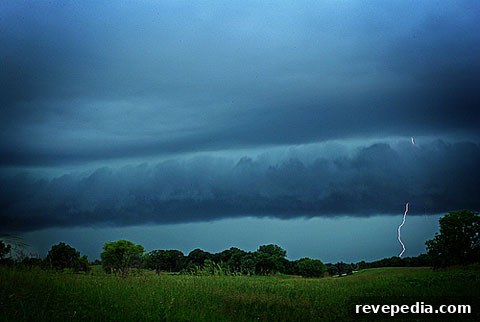
Summer brings heat—and with it, an increased chance of severe storms and power outages. When temperatures soar, being prepared for loss of electricity can make the difference between a stressful scramble and a manageable inconvenience.
In July 2006, we experienced nearly a week without power at This D*mn House amid 100-degree heat after a string of storms damaged power lines, blocked roadways, and toppled trees across the St. Louis metro area. That event taught us valuable lessons about what to keep on hand when the lights go out.
Whether an outage lasts a few hours or several days, adopting a “be prepared” mindset helps protect comfort and safety. Based on experience, here are the essential items we recommend keeping accessible at all times.
1. Alternate light sources
Candles are useful, but open flames aren’t always safe or practical. Keep battery-powered lanterns and hand-crank or battery flashlights in easy-to-find spots, so everyone can find light quickly even in total darkness.
2. Batteries and battery-powered devices
Have spare batteries in a range of sizes and stock battery-powered devices such as radios and clocks. A combination of battery-operated and hand-crank radios helps you stay informed when cell service or internet is unreliable. Battery-run fans or personal misting fans can also provide relief during hot weather.
3. Non-perishable food
Limit opening your refrigerator during an outage to keep food cold longer, and plan for the possibility of extended power loss with shelf-stable food. Stock cereal, crackers, canned fruit, beans, and soups—items with long shelf lives that don’t require refrigeration. If cooking is needed, canned goods can be warmed on a camp stove, barbecue grill, or outdoor fireplace; don’t forget a manual can opener.
4. Cell phone and important contacts
Telephone landlines can fail in major storms, so keep charged cell phones ready and store important numbers—family, friends, neighbors, and insurance contacts—directly in your phone and on paper. A portable power bank or car charger is useful for recharging devices when the grid is down.
5. Games, activities, and comfort items
Power outages can be stressful for children and adults alike. Make the experience less tense by planning activities: board games, card decks, books, puzzles, and simple crafts. Create a safe, illuminated play area for kids and include quiet comfort items like blankets, a favorite toy, or coloring supplies to keep them calm and occupied.
Additional practical tips:
- Gather basic emergency supplies: first-aid kit, flashlight per person, and a whistle to signal for help if needed.
- Keep drinking water available—store at least a few days’ worth for each household member and pets.
- Have backup cooking and heating options designed for outdoor use; never use outdoor fuels inside the home.
- Check batteries and supplies seasonally so nothing is expired or depleted when you need it.
- Make a simple plan with family members about where to meet, how to check in, and what roles each person will take during an outage.
Being ready for power loss is mostly about planning and simple supplies. With a few reliable items and a basic plan, you can stay safer, more comfortable, and calmer when storms strike. Start by assembling these essentials so your household is ready the next time the lights go out.