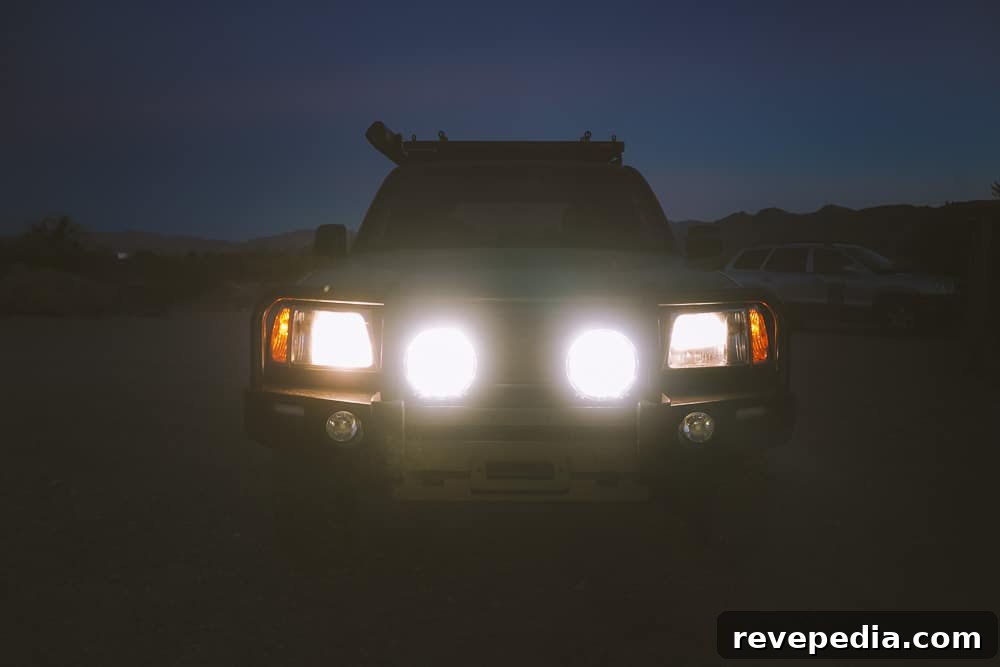
After installing a quality set of off-road driving lights, you’ll quickly appreciate how much safer and more confident you feel on low-light roads. Enhanced visibility at dusk, dawn, and night makes a tangible difference, and interchangeable tinted lenses help cut glare and improve safety in dust, rain, or snowy conditions.
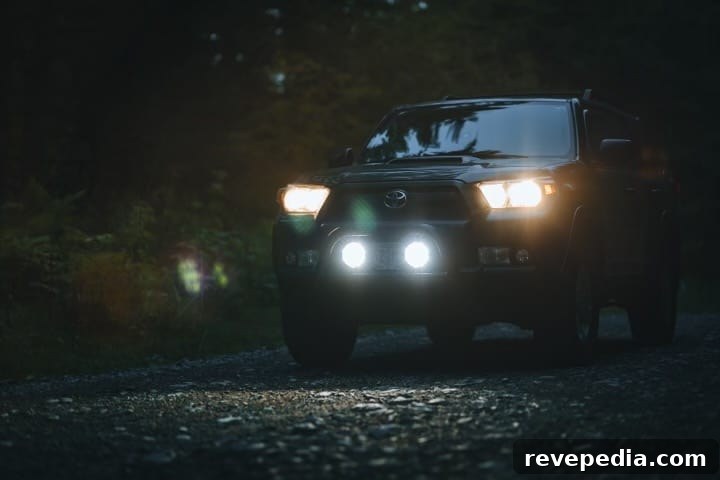
When I was in high school I rigged up a pair of KC Daylighters on a light bar for my 1984 Montero. I loved those round, bulbous lamps, even though they were hot halogens and only marginally brighter than the factory headlights. Today the landscape has changed drastically: LEDs dominate the market because they deliver far more usable light while drawing far less power.

Australian company Lightforce has been engineering 12-volt lighting solutions for more than 35 years. Their products have been tested in harsh Outback conditions, so I knew their lights would be a reliable match for my 100-series Land Cruiser overlanding build.
Improved Safety
The primary advantage of dedicated off-road driving lights is better visibility at night. The extra illumination gives you more time to recognize and react to obstacles—slow down, steer around them, or stop if needed.
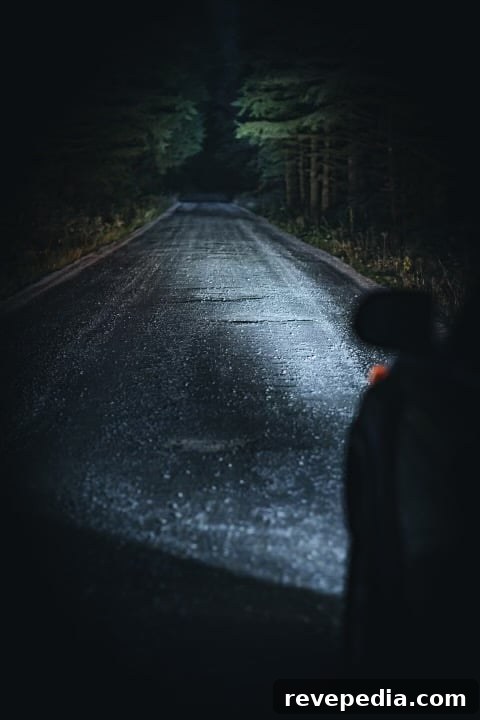
Remote dirt roads commonly present hazards such as fallen trees, large rocks, and wildlife. Hitting any of these can cause severe damage to your vehicle and risk passenger safety. The two Lightforce models I tested—the Genesis and the Venom—both use a 5000K color temperature, which reduces glare and reflection, easing eye strain and fatigue so you can stay alert longer en route to your destination.
Off-Road Durability
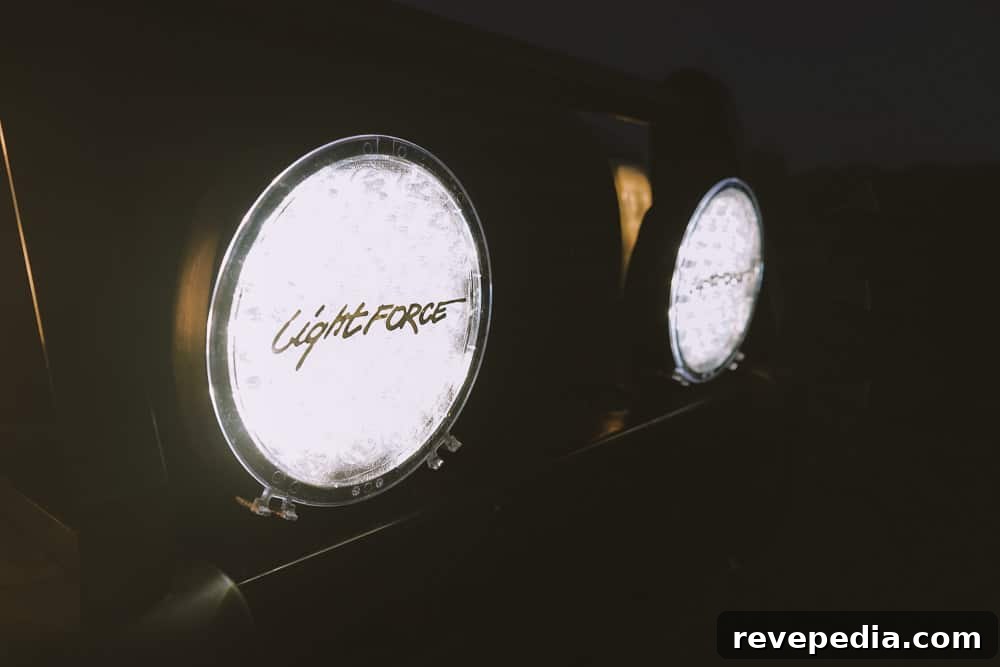
With decades in the lighting business and a reputation for dependable gear, Lightforce builds products that meet the demands of professional drivers. Their housings use advanced composite materials and cast aluminum for strength without excessive weight, which is an advantage over heavier steel-and-glass designs.
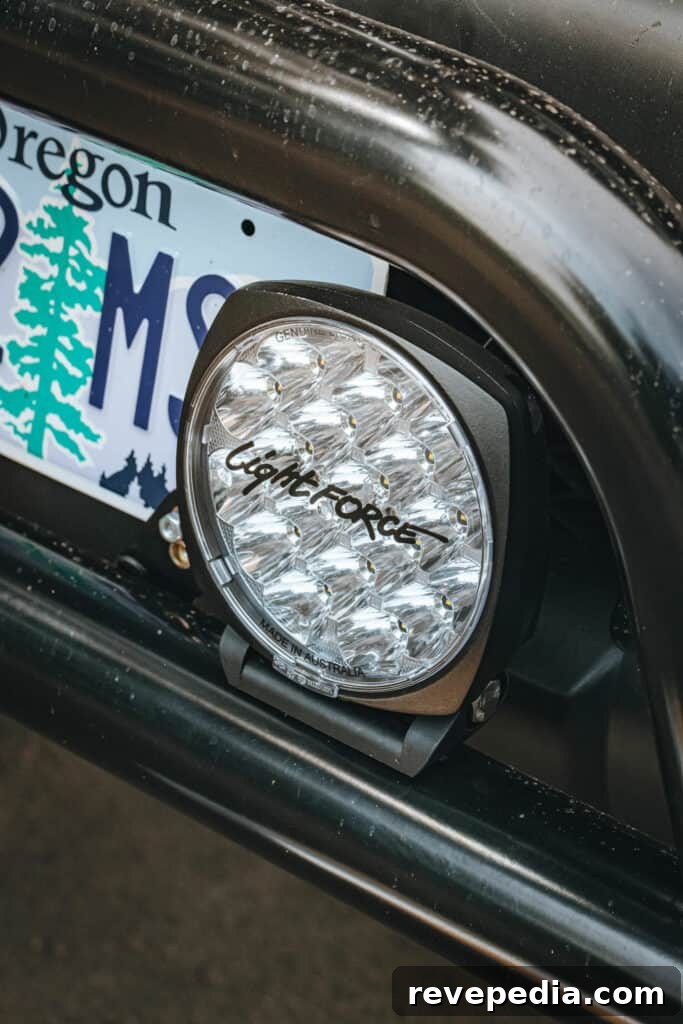
Additional durability features include:
- UV-stable powder-coated finish for long-lasting protection
- High-current waterproof connectors
- Reverse-polarity voltage protection
- IP69K rating to resist moisture and contaminant ingress
- Fully dust-tight construction and resistance to close-range, high-pressure, high-temperature spraydowns
- Genuine Gore® waterproof membrane with mechanical seal
Easy Installation
Lightforce driving lights integrate cleanly with existing headlight systems and can be used in multiple modes—daytime running, nighttime running, and full intensity—depending on how you wire them.
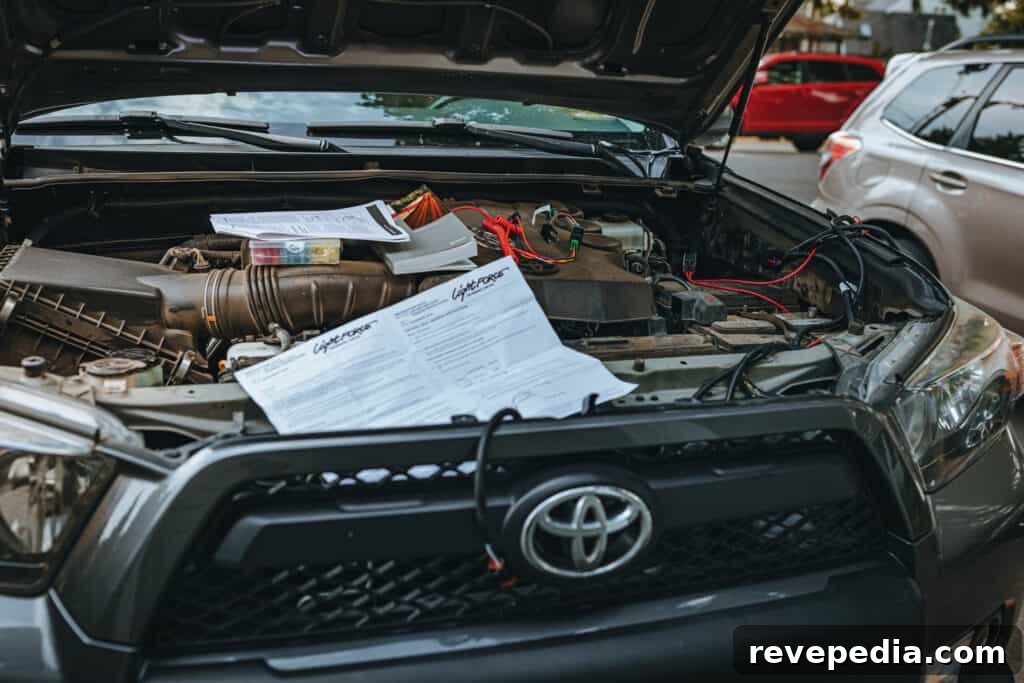
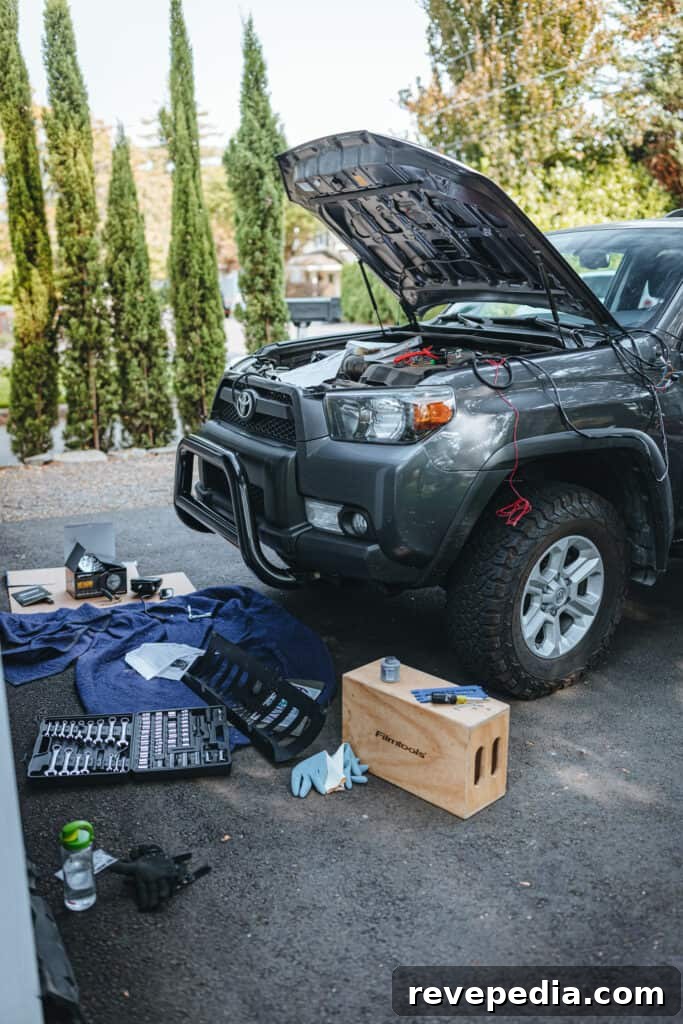
I recommend buying the wiring harness; it simplifies installation significantly. On my Land Cruiser I tied the Genesis lights to the high beams so they operate at full intensity when the high beams are on—an easy setup that provides maximum output.
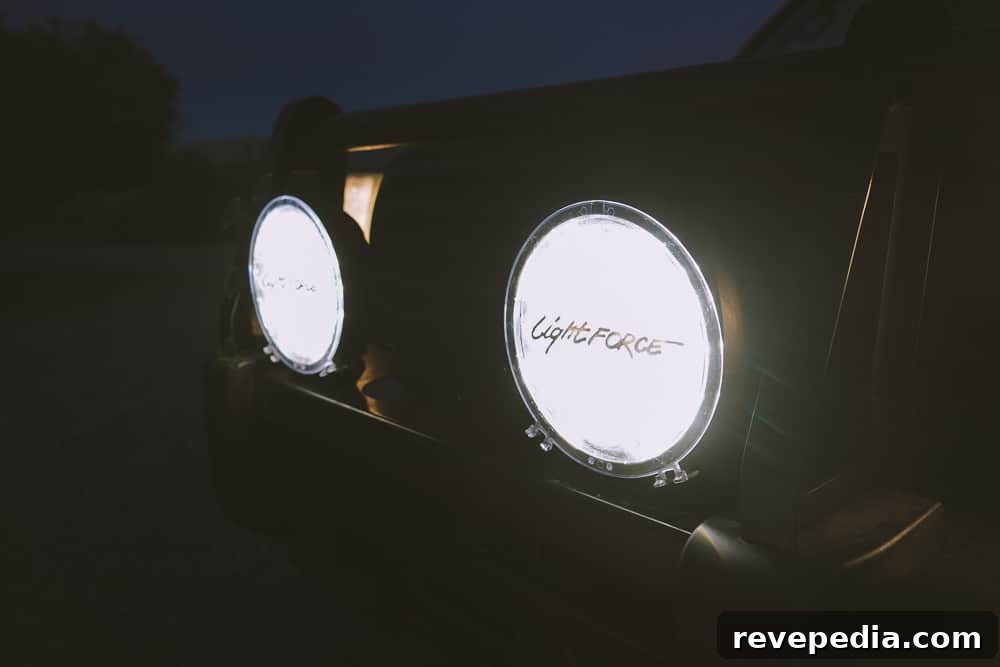
After fitting an Ironman front bumper, the Genesis lights fill the space between the bumper and the upper hoop nicely. They produce strong spot beams, and instead of adding a separate LED light bar for a wider flood pattern, I plan to try a snap-on diffusion flood lens that converts the spot into a broader beam.

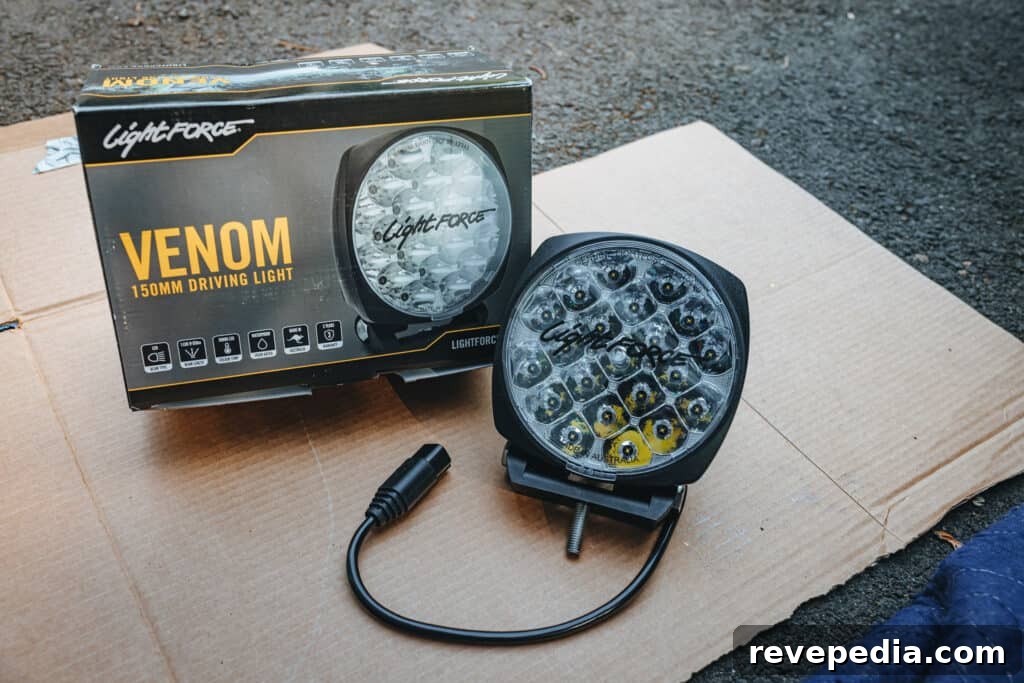
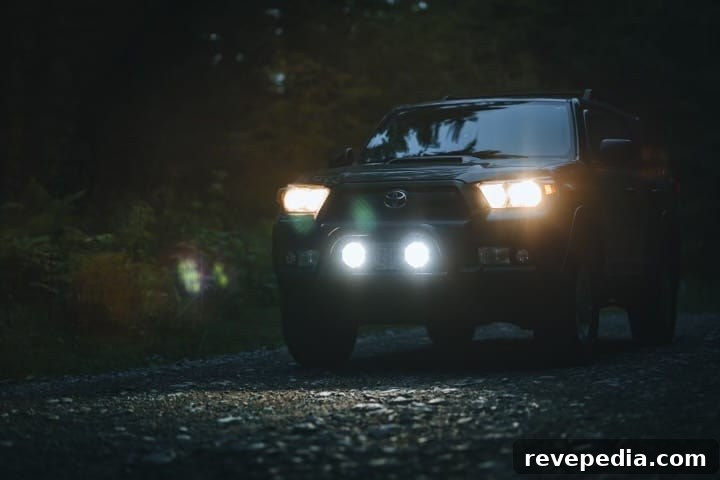
My friend Steve chose the smaller Lightforce Venom for his 2012 4Runner and mounted it on a Westin bullbar. He isn’t an electrical expert but completed the installation in an afternoon using the wiring harness, which includes plugs to tap into the headlights and a dash switch.

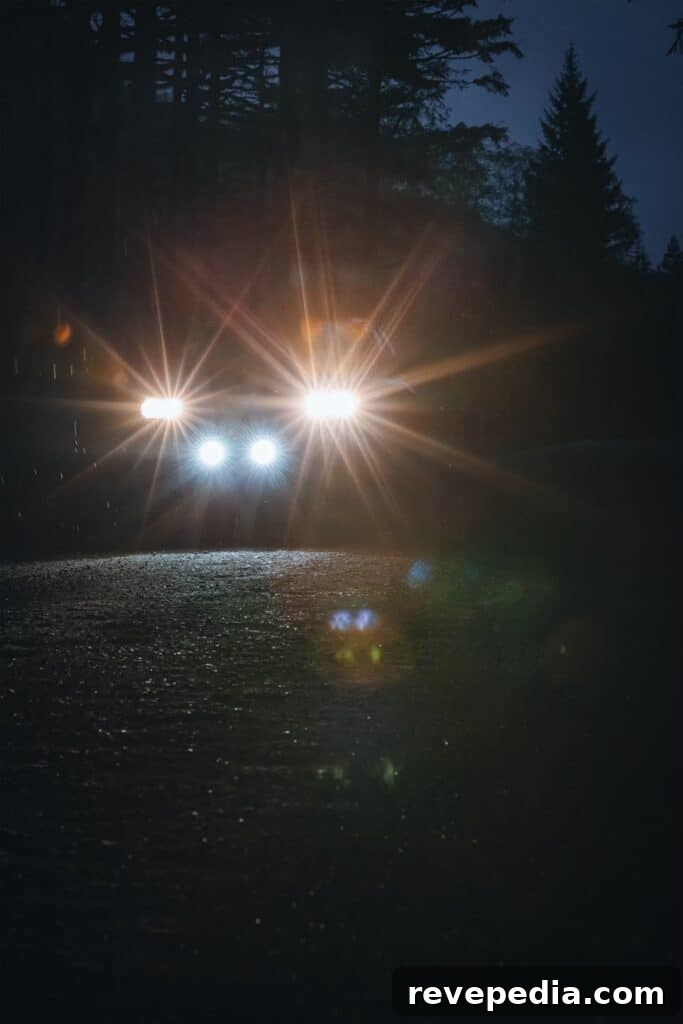
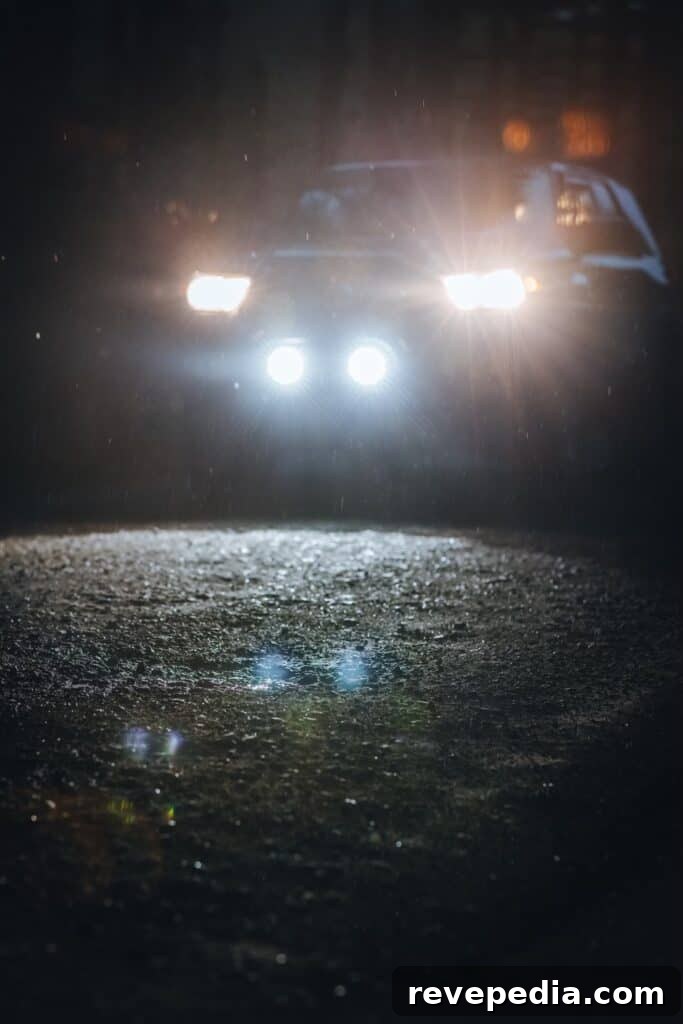
Steve took his truck up to Mt. Hood and captured some impressive nighttime shots that clearly show how much these lights open up the scene.
Let’s Talk Lumens
Brightness specifications for off-road lights can be confusing. Lightforce provides a helpful explanation, and the key takeaway is to compare effective lumens rather than raw lumens when evaluating products. If a manufacturer won’t provide effective lumens, look elsewhere.
Q: Why do some manufacturers advertise “raw lumens” while others use “effective lumens”?
A: Raw lumens measure an LED’s peak output under controlled lab conditions for a short duration. That figure is misleading for real-world use because it doesn’t account for heat management, current draw, and optical losses—all factors that can reduce field performance by a large margin. Effective lumens reflect realistic output after those losses and are a more honest measure of how a light will perform on the road.

Raw lumens can be quoted in different ways: as the absolute peak performance of an LED chip (often unsustainable) or as the manufacturer’s recommended peak that accounts for longevity and thermal management (typically 70–80% of capacity). Lightforce publishes both raw and effective lumen figures, but some competitors only promote raw lumens to make their products seem brighter on paper.
Running LEDs beyond recommended power ratings significantly shortens their lifespan and creates heat-related issues, so effective lumen ratings and sensible thermal design are important.