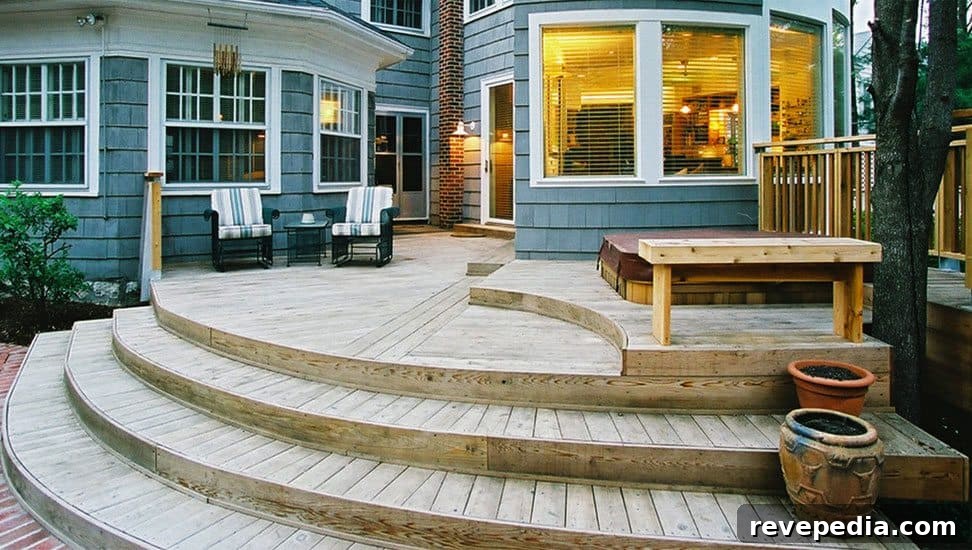
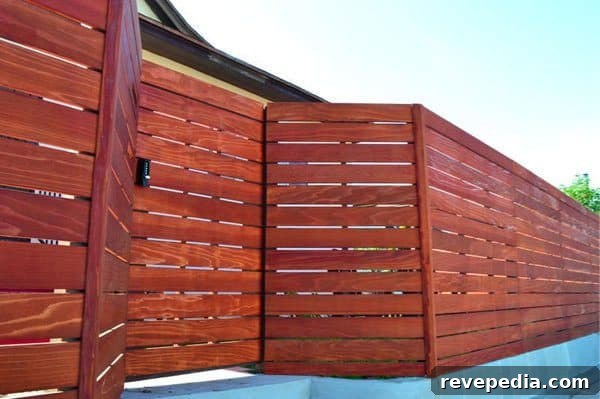
We recently contracted a local builder to install a wood fence on top of an existing brick wall and to construct a swinging gate. The team presented several wood options; after weighing cost, durability, and appearance, we chose redwood.
Our nearby Home Depot stocks the major lumber species and carries different quality grades to fit various budgets and project needs.
Below is a clear, practical overview of the most common choices—redwood, cedar, Douglas fir, and pine—and the ideal uses for each.
Redwood
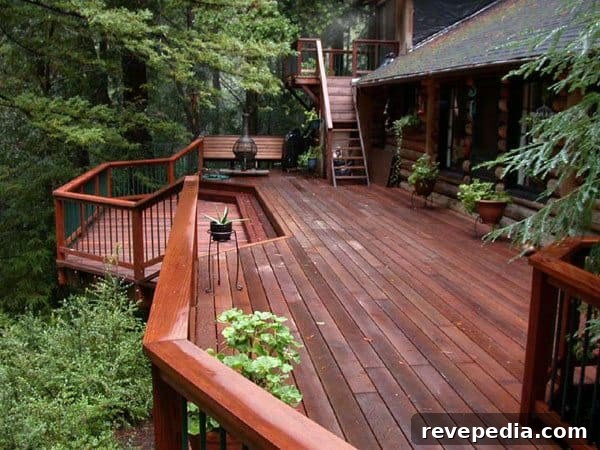
Redwood stands out for its distinctive color, straight grain, and natural resistance to decay. Decks, fences, and outdoor structures made from redwood deliver long-term performance and a warm, elegant look that many homeowners prefer.
It tolerates sun, rain, and snow well, and responsibly sourced redwood is available with FSC certification. Because of its dimensional stability and natural tannins, redwood is suitable for everything from economical builds to high-end, creative projects.
Cedar
Cedar is prized for its attractive appearance, stability, and natural weather resistance. Its aromatic oils act as preservatives, helping resist insects, fungi, and rot—making it an excellent choice for outdoor applications.
Cedar’s tight grain and typically low knot count give it a smooth surface that accepts stains and paints evenly, allowing you to customize color while maintaining good durability in exposed conditions.
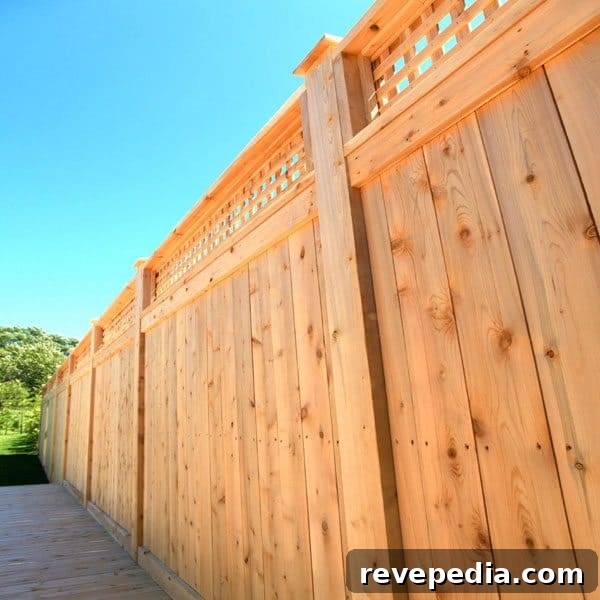
Douglas Fir
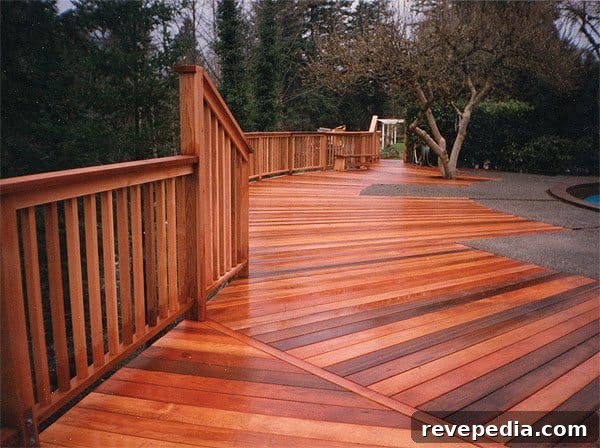
Douglas fir is one of the strongest western softwoods in terms of strength-to-weight ratio. Its reliable structural properties make it a common choice for framing, beams, and heavy-duty outdoor or indoor projects.
Douglas fir is relatively lightweight and easy to work with—saws, drills, and fasteners perform well in it—and it holds nails and screws securely. It can be used untreated in many applications, or kiln-dried for improved stability when used indoors or for fine carpentry.
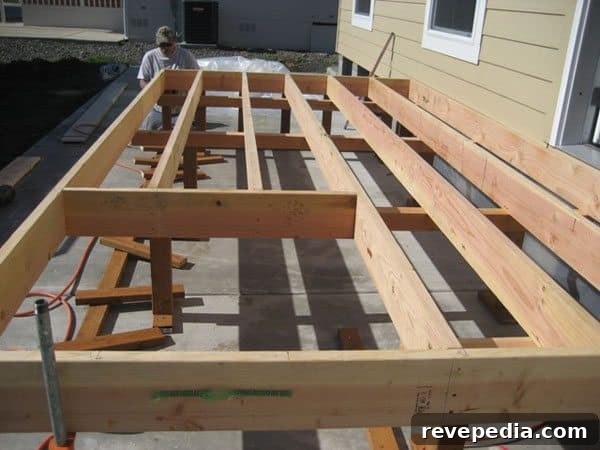
Pine
Pine is available in many grades and varieties, and higher-grade boards—often knot-free—are ideal for interior trim, paneling, and furniture where a smooth, consistent surface is desired.
Knot-free pine reduces waste and simplifies finishing. It paints, stains, and varnishes evenly, making it a cost-effective option for visible interior work.
Radiata pine, in particular, is known for excellent workability: it takes nails and screws well, bonds strongly with adhesives, and provides a smooth painted finish. Though native to California historically, much of the commercial Radiata pine supply now comes from sustainably managed plantations in New Zealand, often with FSC certification.
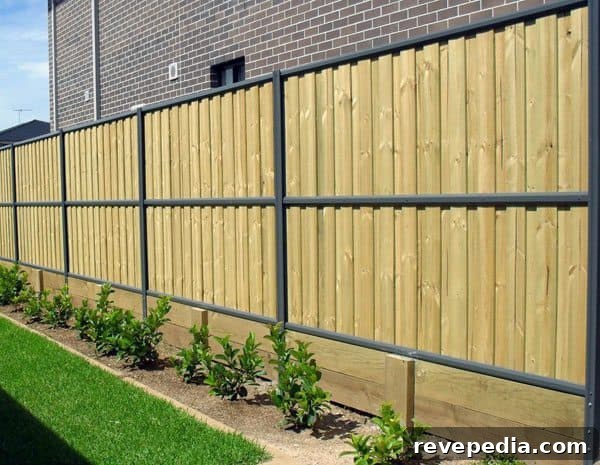
Choosing the right wood comes down to balancing budget, desired appearance, and performance needs. Redwood and cedar offer natural resistance and lasting beauty for outdoor applications; Douglas fir delivers structural strength for load-bearing uses; pine provides an economical, easily finished option for interior projects. Consult product grades and certifications at the supplier to match material characteristics to your specific project.