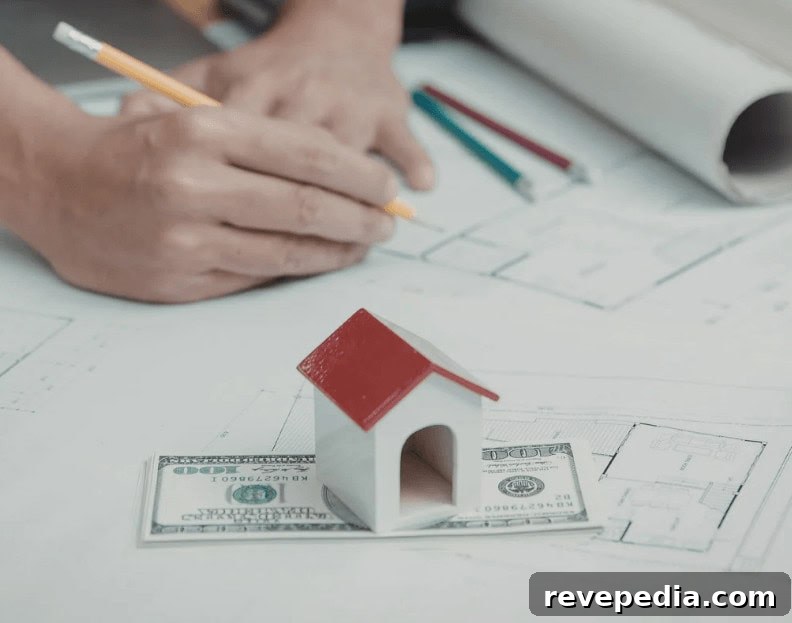
Tackling a major home project—whether a renovation, remodel, or new build—can be exciting, but it’s also a significant financial commitment. Without careful preparation, that excitement can quickly give way to stress when unexpected expenses arise. Proper financial planning before you begin will help keep your project on track and your budget intact.
Below are practical steps to ensure you’re financially prepared for your home project and how appropriate financial services can support you throughout the process.
1. Assess Your Financial Picture
Before planning any work, take a thorough look at your finances. Review bank balances, savings, and outstanding debts. Do you have high-interest credit card balances or loans that could limit your flexibility? How robust is your emergency fund?
Surprises are common in home projects—hidden repairs, shifting material costs, or delays can increase expenses. If you don’t already have a contingency fund, start building one now so you’re not caught off guard. Some homeowners also diversify their preparedness with tangible assets as part of a broader strategy.
2. Create a Realistic Budget
Once you know your financial standing, draft a comprehensive project budget. Include materials, labor, permits, design fees, contingency for unexpected repairs, and any temporary living costs if the work disrupts your home. Home projects often exceed initial estimates, so build in a buffer—commonly 10–20%—to absorb unforeseen costs.
Consider tools and banking features that help you save and manage cash flow during the project. Accounts with higher yield, automated savings tools, or rewards that return cash on everyday purchases can ease budget pressure and help you maintain control as the work progresses.
3. Evaluate Financing Options
Deciding how to pay for your project is a key choice. Whether you use savings or borrow, choose an option that fits your long-term financial goals and the size of the project. Common approaches include:
- Home equity loan or HELOC: For homeowners with built-up equity, these products often offer lower interest rates because they’re secured by the property. They can be cost-effective for larger projects, but bear in mind that your home serves as collateral.
- Personal loans: Unsecured personal loans don’t require putting your home at risk. They’re suitable for moderate projects but typically carry higher interest rates than secured loans.
- Credit cards: For small purchases or short-term financing, cards with low or introductory 0% APR promotions can work—provided you can pay off the balance before the promotional rate expires.
Some financial providers offer special rates, discounts, or bundled services that might lower your overall borrowing costs. Compare terms, fees, and repayment flexibility before committing.
4. Reduce Nonessential Spending
Freeing up cash by trimming everyday expenses can reduce how much you need to borrow. Review monthly subscriptions, curb impulse purchases, and limit dining out while your project is underway. Small, consistent savings add up and can provide additional funds for contingencies or finishings you want to include.

5. Consult a Financial Professional
If you’re uncertain about financing structure, budgeting, or tax and insurance implications, meet with a financial planner. A professional can evaluate your cash flow, recommend appropriate loan products, help set realistic timelines, and align the project with your broader financial goals. Personalized advice can prevent costly mistakes and improve long-term outcomes.
Conclusion
Careful financial preparation is essential for a successful home project. By assessing your finances, building a realistic budget with contingency, selecting the right financing, cutting unnecessary expenses, and seeking professional advice when needed, you’ll significantly reduce the risk of financial strain. With the right planning and tools, you can complete your project on schedule and on budget, turning your renovation dreams into a sustainable reality without jeopardizing your financial health.