You had everything set for your next DIY project — tools borrowed, paint bought, time blocked off — and then disaster struck. You got hurt, and it’s more serious than a quick scrub and a Band-Aid. Now you’re sidelined for a while.
What do you do next?
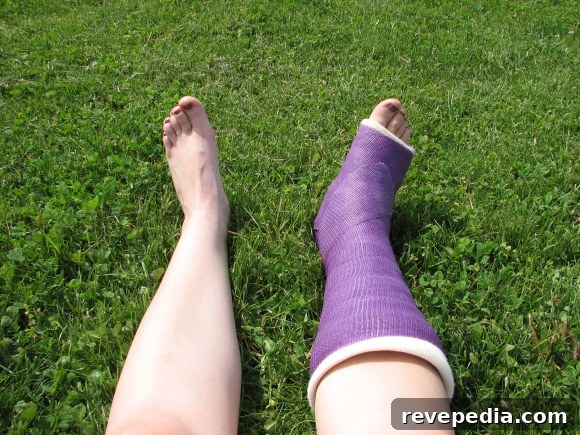
Here are practical tips for handling an accidental injury that interrupts your DIY plans, from someone currently stuck on the couch with a fractured tibia.
Prioritize your health.
You’ve seen the doctor, filled prescriptions, have braces and follow-up appointments scheduled, and you’re understandably frustrated because even basic tasks feel impossible, let alone climbing a ladder. It’s disheartening to watch your plans fall apart. But if you want to DIY again in the future, you must take care of yourself: follow your doctor’s instructions, rest, and allow time to heal. That might mean letting go of how you imagined the project timeline and accepting the new reality. Cosmetic projects can wait; urgent repairs may need immediate attention — read on for how to handle both.
Lean on others.
This is precisely when friends and family can help. Unexpected injuries often bring out support from loved ones, so accept offers of help and set aside pride. If a task truly can’t wait and you can’t do it safely, it’s better to have someone else finish the work than to risk making the situation worse. The outcome matters more than who performs it.
Do not attempt risky work yourself.
You may be taking pain medication that affects coordination, balance, and alertness. Even when you start feeling better after a few days, those medications and your injured state can create unpredictability. Don’t put yourself on a ladder or behind power tools while under the influence of narcotics, or before you’re fully recovered. A sudden dizzy spell or loss of balance can lead to a fall, more injury, and more medical treatment. Resist the urge to push through — if you can’t bear to leave the project unfinished, ask someone else to take over until you’re fully capable.
Keep perspective and be kind to yourself and others.
It’s natural to be upset after an injury. Allow yourself a reasonable moment of frustration, then try to let it go. Being irritable toward caregivers and helpers only makes recovery harder. Consider this downtime a forced pause — an opportunity to rest, plan, and reassess priorities. Most injuries heal with time, and you’ll return to projects eventually. When you’re healed, you’ll likely look back and laugh about the detour as you admire the finished work.
Have you ever been injured while DIYing? Share how you coped and how you recovered — both physically and with your project — in the comments below!
Photo: soccerkrys