When I prepare for a new project, I research it thoroughly. With a degree in Sociology—a field that emphasizes research—I take genuine satisfaction in gathering information, comparing sources and methods, and drawing my own conclusions. That careful approach is especially important when it comes to home renovations.
The internet is one of the fastest and most convenient research tools available, but it requires a discerning eye. A website that claims adding to existing plumbing is a simple three-step process isn’t necessarily reliable unless the advice is backed by experience or qualified professionals.
Here are some practical tips for researching your next DIY project effectively:
1. Verify your sources
Consider whether the site you’re consulting is reputable. Is the content written or reviewed by tradespeople or experts, or is it user-generated advice on a forum with no credentials? Prioritize sources that involve professionals or trusted publications to reduce the risk of following unsafe or incorrect instructions.
2. Cross-reference multiple resources
Don’t rely on a single instruction set because it promises an easy fix. Compare several trusted sources to determine the common best practices. What looks simple in one tutorial might omit important steps or safety precautions found elsewhere. Cross-referencing helps you avoid improvising a dangerous or costly workaround.
3. Use the library
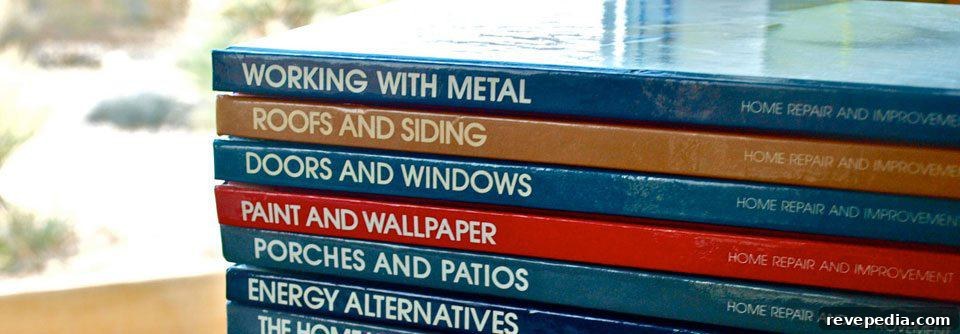
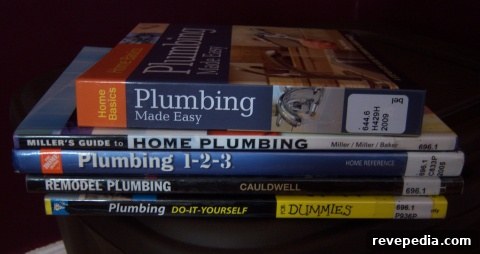
In our digital era it’s easy to overlook libraries, but they remain excellent resources. You can borrow books and manuals that offer vetted information and detailed illustrations, often including step-by-step directions. Library materials—such as well-regarded DIY books—can provide more depth and reliability than many quick online posts.
4. Consult a professional
If you’re uncertain whether a task is within your skills, seek a consultation with a licensed tradesperson. Many professionals offer initial advice or estimates. Do some background research before you talk to them so you can ask informed questions and avoid being treated like a complete novice. A pro’s perspective will help you decide whether to tackle the job yourself or hire help.
5. Take a workshop or beginner’s class
Home improvement stores, community centers, and libraries often run introductory DIY classes or weekend workshops—sometimes free or low-cost. Hands-on demonstrations in a supervised environment can teach you fundamental techniques and safety practices. These sessions can boost your confidence for smaller projects or reveal that a more complex job is best left to an experienced contractor.
For example, I researched adding a master bathroom to our home’s existing plumbing. After consulting books and online resources, I realized the project was possible but likely beyond my skill level. Taking the time to evaluate the work and then pausing before cutting into pipes ultimately saved my family stress, time, and money.
How do you prepare for a major DIY project? Share any tips or lessons you’ve learned when tackling renovations, tool use, or planning so others can benefit from your experience.