This holiday week, especially for readers in the United States, consider holding off on immediately discarding yard and kitchen waste. With a little planning now, you can turn seasonal debris into rich compost that will save time and boost your spring garden’s productivity.
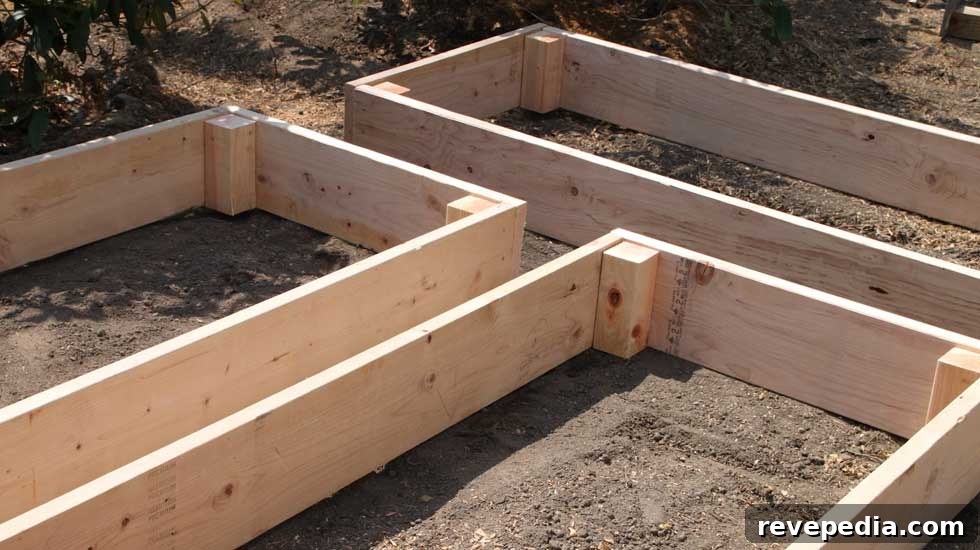
Composting doesn’t require expensive equipment or high-tech containers. All you need is a sheltered spot that can retain warmth and moisture and a source of decomposers—naturally occurring soil microbes and worms—to transform organic waste into nutrient-rich material for plants. One of the most convenient places to start is an empty raised garden bed.
Raised beds work well as winter composting sites, even in colder climates. Their built-in insulation and defined borders make them easier to cover and manage than open ground. To begin, deposit leaves, grass clippings, and other yard debris into the bed, then add kitchen scraps such as fruit and vegetable peels, coffee grounds, and eggshells. Avoid adding meat, dairy, or oily foods that attract pests.
Layering is helpful: alternate browns (dry leaves, shredded paper, straw) with greens (kitchen scraps, fresh grass clippings) to balance carbon and nitrogen, which accelerates decomposition. After adding materials, distribute them evenly, moisten the pile lightly with a hose or watering can, and cover the bed with a breathable tarp, burlap, or a fitted lid to retain heat and keep excess moisture out. Introducing a few red wigglers or other composting worms can speed up the process, but even without added worms, natural soil fauna will find the pile and begin breaking down the material.
During winter, revisit your compost regularly to maintain progress. Turn or aerate the pile every few weeks to introduce oxygen, which supports aerobic decomposition and prevents unpleasant odors. Check moisture levels: the material should be damp but not waterlogged. If it dries out, add water; if it becomes overly wet, mix in more dry brown material.
Using a raised bed as a composting area is efficient and space-saving. When spring arrives, you’ll be rewarded with dark, crumbly compost that can be mixed into garden soil or used as a top dressing to improve soil structure, water retention, and fertility. This low-effort approach reduces yard waste sent to landfills, supports healthier plants, and positions your garden for a strong growing season.
In short, this holiday season take a moment to rethink waste disposal: toss leaves and safe kitchen scraps into an empty raised bed, layer and moisten the materials, cover and maintain them through the winter, and you’ll have high-quality compost ready for planting in spring. A little attention now leads to greener gardening and better harvests later.