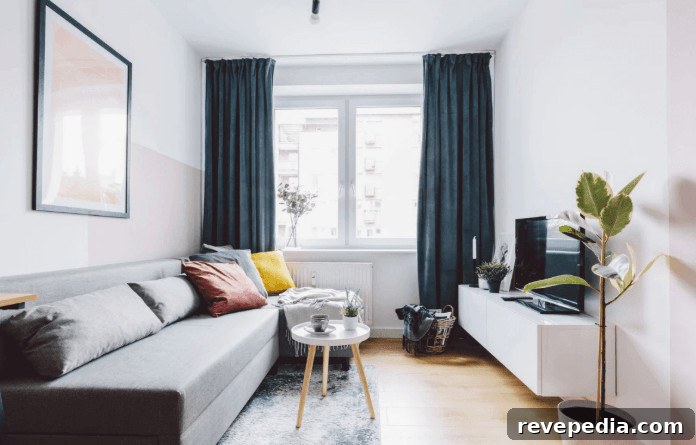
Feeling cramped at home is more common than you might think. Small apartments, older houses, or simply accumulating too many belongings can make even a space you love feel stifling. Fortunately, a few strategic changes can make your home feel larger, more functional, and noticeably more comfortable. From smart storage to design choices that maximize perception, you can transform your living space without moving.
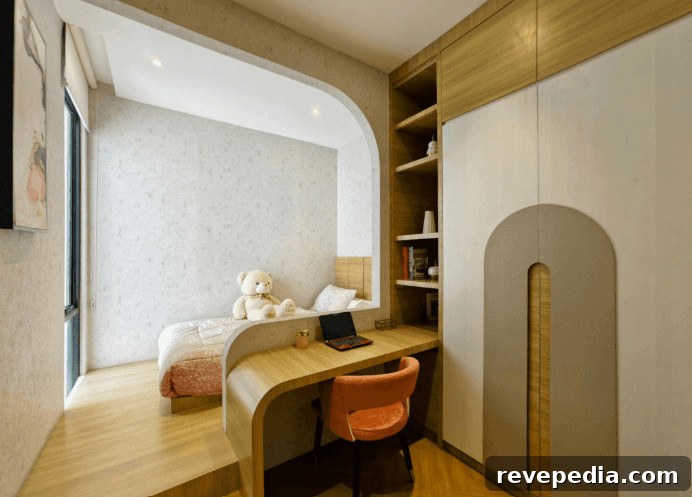
1. Declutter Strategically
Before you consider renovations or new furniture, take stock of what you own. Decluttering isn’t just about getting rid of items; it’s about making room for what matters most. Work room by room and identify things you haven’t used in the last year—seasonal clothing, outdated electronics, and unused décor frequently occupy valuable space.
Adopt a “one in, one out” rule: when you bring something new home, remove a similar item. This habit prevents slow accumulation and keeps spaces functional. Regularly decluttering also reduces stress and improves mental clarity, helping your home feel calmer and more welcoming.
2. Use Vertical Space
When floor area is scarce, look up. Walls are an underused resource—install shelves, wall-mounted cabinets, and hanging organizers to reclaim vertical real estate. Tall bookcases and floating shelves work well for books, decor, and daily essentials, while hooks and racks on kitchen or bathroom walls free up counter and cabinet space.
Store infrequently used items on higher shelves and keep everyday objects within easy reach. This simple plan preserves both order and convenience while opening up the most trafficked zones.
3. Choose Multi-Functional Furniture
Furniture that serves multiple purposes is a small-space must. Beds with built-in drawers, ottomans with hidden storage, and foldable desks dramatically increase functionality without crowding a room. Convertible sofas, Murphy beds, and extendable dining tables make hosting guests and adjusting spaces effortless.
Even subtle swaps—like stacking nesting tables instead of a large coffee table—can create visual openness. Scale is important: choose pieces that fit the room rather than overwhelm it.
4. Smart Storage Solutions
Effective storage is the backbone of small-space living. Think beyond standard cupboards and closets: under-bed boxes, over-door organizers, and stackable containers can reclaim cluttered areas. Label boxes and bins so everything has a clear place and you can find items quickly.
If your home still feels full, offsite storage is a practical option. Secure self-storage units allow you to store seasonal items, bulk purchases, and sentimental belongings while freeing up living areas for daily use. Many facilities provide climate control, strong security, and convenient access, making them an extension of your home’s storage capacity.
5. Light and Color Matter
Color and lighting have a powerful impact on perceived space. Lighter paints and finishes reflect light, creating an airy, open feeling. Opt for soft neutrals or pale pastels and incorporate reflective surfaces—mirrors, glass, and glossy finishes—to amplify brightness.
Natural light is invaluable: keep window treatments minimal, use sheer curtains, and position mirrors opposite windows to bounce sunlight throughout the room. Layer artificial lighting with overhead fixtures, floor lamps, and task lights to eliminate shadows and visually expand your space.
6. Define Zones and Use Open Layouts
Small homes can feel chaotic when functions blend together. Defining zones creates order and purpose. Use rugs, furniture arrangement, or partial dividers to delineate areas for work, relaxation, and dining. Even in open-plan spaces, clear functional zones prevent a jumbled look.
Think about circulation: avoid blocking natural pathways and leave space between furniture pieces. A well-considered layout promotes movement and makes the whole area feel larger.
7. Embrace Minimalism Without Sacrifice
Minimalism doesn’t require living with nearly nothing. It’s about intentional choices—prioritizing quality, usefulness, and items that bring joy. Curated displays and open shelving can maintain personality while keeping visual clutter low.
In shared households, involve everyone in decisions about what stays. When occupants understand the reasons behind minimizing possessions, it’s easier to maintain a tidy, functional home together.
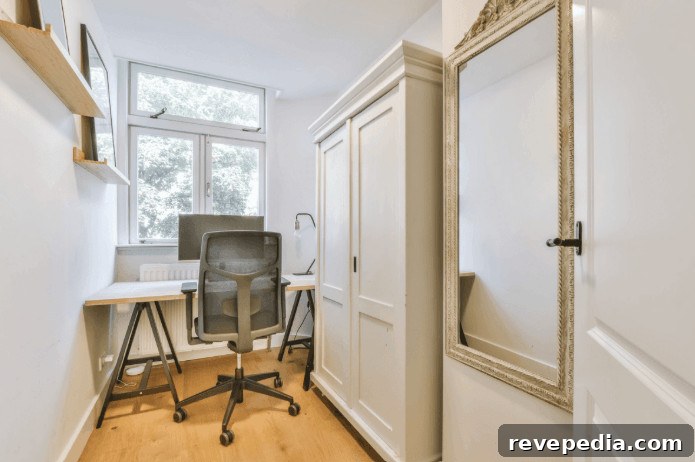
8. Think Beyond Traditional Storage
Maximizing space often requires creative solutions. Staircases can conceal drawers or shelving, benches can include lift-up storage, and coffee tables can hide compartments. Corners—often overlooked—are ideal for tall shelving, corner desks, or hanging planters that add greenery without consuming useful floor area.
Digital alternatives also reduce physical clutter. Scanning documents, digitizing photos, and using cloud services can eliminate the need for bulky filing systems and media collections.
9. Use Outdoor and Auxiliary Spaces
Balconies, patios, and other outdoor areas can extend your living space. Weather-resistant furniture and smart outdoor storage turn these spots into reading nooks, dining areas, or small gardens. If you lack an outdoor area, even a window ledge or wall-mounted planter can bring life into the home and make interiors feel more open.
Combining these strategies produces the best results. Decluttering will help immediately, but pairing it with vertical storage, multi-functional furniture, thoughtful lighting, and well-defined zones transforms how your home feels and functions. With intentional choices, even small spaces can be roomy, comfortable, and tailored to your lifestyle.