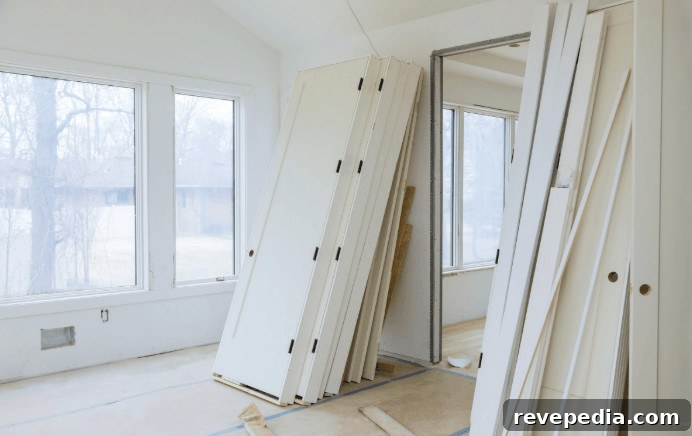
Modern life places greater demands on our homes than ever before. Fast-paced schedules and a desire for higher comfort are reshaping interior design, and doors are no longer just simple room dividers. The right interior home doors manage privacy, control sound, support energy efficiency, and significantly influence a room’s look and feel.
Choosing the correct door type is as important as its placement, because both affect how a home functions and how you live in it. A door that suits a bedroom might be a poor choice for an office, pantry, or bathroom: it could be too heavy for a room that needs light, too airtight for a space that needs airflow, or not moisture resistant enough for humid areas. To help you decide, here are practical factors to consider when selecting the best interior home doors for each room.
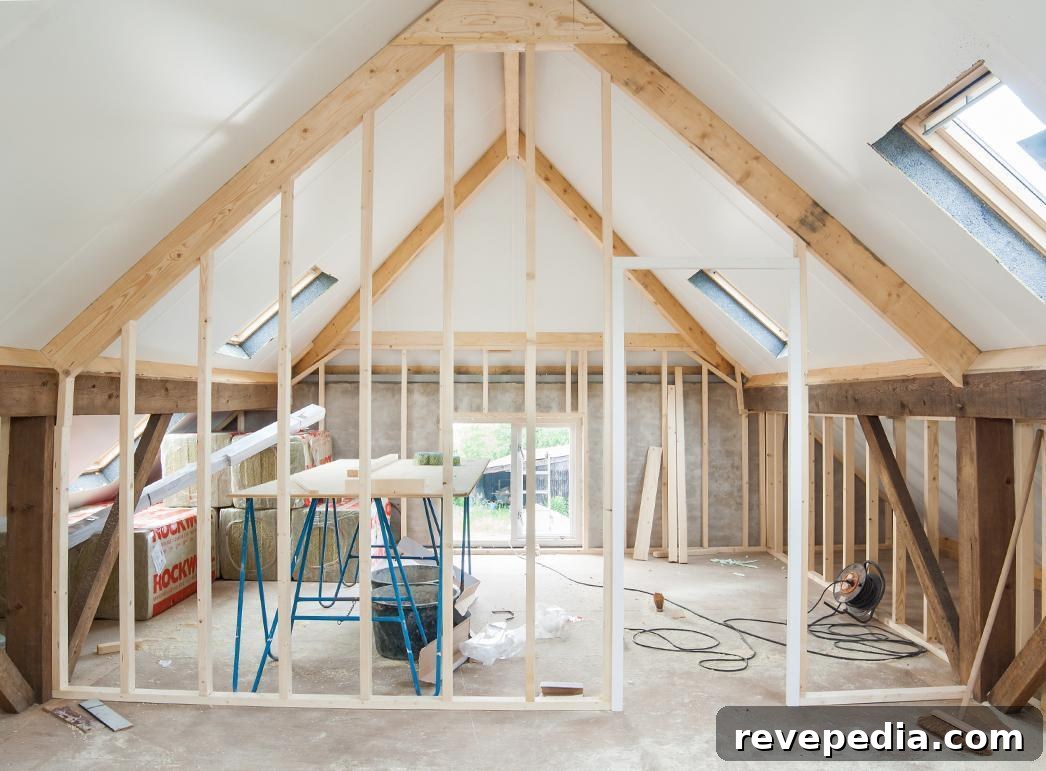
Why the Right Interior Home Doors Matter
Not all interior home doors perform the same. Beyond aesthetics, construction, core material, and fit determine a door’s effectiveness. In a busy household, those performance differences become very noticeable.
Privacy and Noise Reduction
Quiet, restful rooms are essential for recharging. Sound follows the path of least resistance, and a thin or poorly fitted door is often that path. For better sound control, choose thicker, heavier doors made from dense materials—these reduce gaps and block more noise. Solid wood and solid-core doors are top choices for creating private family spaces with improved acoustic performance.
Functionality and Space Efficiency
Efficient movement through a home matters to both residents and guests. The door style you pick affects usable space and traffic flow.
Swing doors work well in larger rooms where there is enough clearance for their arc. They offer a classic look and are easy to install, but can be impractical in tight areas. Pocket doors slide into the wall and effectively disappear, saving floor space and offering a clean, minimalist appearance—though they can be harder to service because of their hidden track. Sliding doors mounted on external tracks are a reliable space-saving option and can become a design focal point or blend into a wall, depending on the finish.
Style and Home Value
Doors bridge function and aesthetics and play a notable role in the home’s overall style. Using matching doors throughout a house can create visual harmony and increase perceived value. There are several ways to achieve that cohesion:
- Neutral colors like white or off-white provide a seamless transition between rooms and highlight furnishings.
- Darker hues—deep navy, charcoal, or black—can turn doors into bold, sophisticated design statements.
- Consistent materials or finishes, such as a uniform wood grain or a recurring glass panel style, tie rooms together while allowing varied interior design choices.
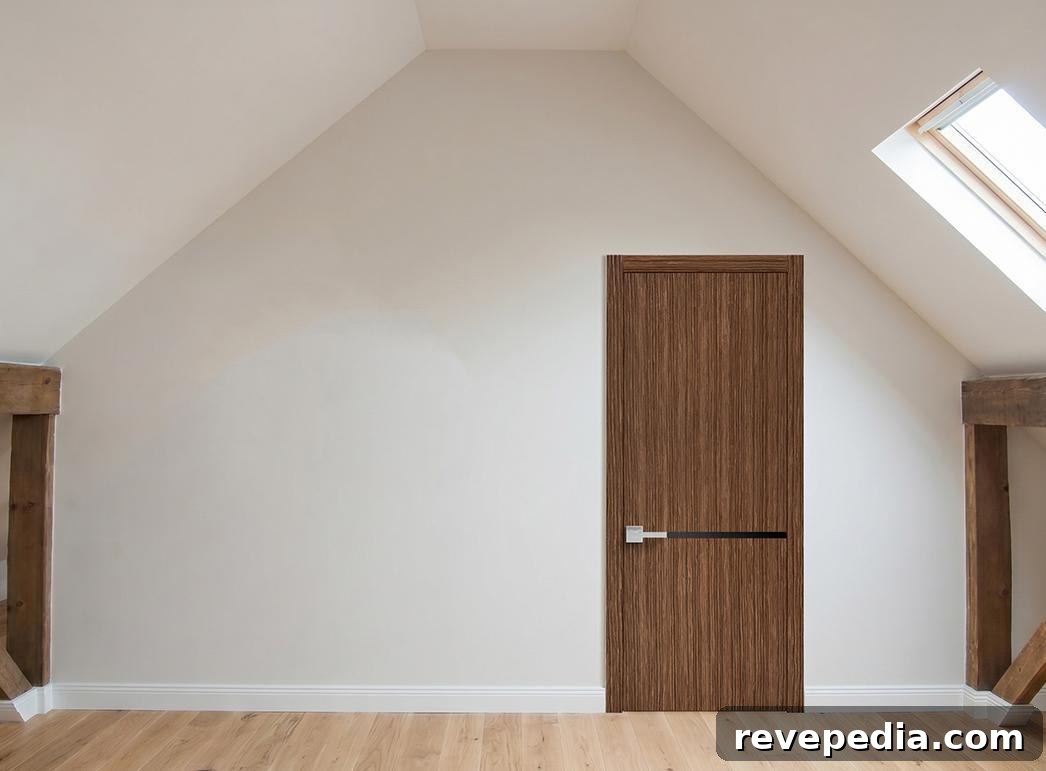
Understanding Main Types of Interior Home Doors
If you’re planning home improvements, doors should be high on the list. Knowing the main door types helps you match each room’s requirements to the appropriate style and function.
Panel Doors
Panel doors are classic swinging doors that feature recessed or raised panels. Their textured profiles suit many architectural styles and remain a popular, timeless choice.
Flush Doors
Flush doors offer a smooth, unadorned surface favored in minimalist interiors. They’re simple, easy to customize with paint or veneers, and fit modern design schemes.
French Doors
French doors are paired swing doors with glass panes that let light flow between spaces while still providing separation. They’re ideal for rooms where natural light is a priority.
Pocket Doors
Pocket doors slide into a wall cavity and are perfect for tight areas where a swinging door would be impractical. They maximize usable floor area and suit small bathrooms, closets, or narrow hallways.
Barn Doors
Barn doors are wall-mounted sliding doors that bring rustic or industrial character to a room. They add visual interest while saving floor space compared with swinging doors.
Bi-Fold Doors
Bi-fold doors fold back in sections and are commonly used for closets and laundry areas. They provide wide openings without requiring the full clearance of a swing door.
Glass Doors
Glass doors, including clear, frosted, or textured glass, increase light transmission and make spaces feel larger. Frosted or patterned glass offers privacy while still letting light through.
Best Interior Home Doors for Bedrooms
The bedroom should be a restful retreat, so sound control and privacy are top priorities. Solid-core doors excel at blocking noise and improving sleep quality. Simple panel styles—flat, raised, or plank—create a calm backdrop. Warm wood veneers or neutral matte finishes help maintain a cozy, low-glare atmosphere that supports relaxation.
Choosing Interior Doors for Bathrooms
Bathrooms often face humidity and moisture, so moisture-resistant doors are essential. Materials like PVC or WPC resist warping and mold. Frosted glass doors work when privacy and light are both important. If ventilation is limited, louvered doors promote airflow and reduce moisture buildup, helping prevent mold in adjacent spaces.
Best Door Options for Home Offices
For productive work-from-home setups, balance sound control with light. Solid-core doors reduce distracting noise, while frosted or textured glass doors allow natural light to penetrate without compromising privacy. Selecting the right door helps create a focused yet comfortable workspace.
Ideal Doors for Living Rooms and Dining Areas
Living and dining rooms are social spaces where doors can enhance first impressions. French doors create open, inviting transitions that fill rooms with daylight while allowing closure when needed. Decorative glass doors add style and customizable flair through patterns, colors, and pane designs.
Space-Saving Doors for Closets, Laundry Rooms, and Pantries
For tight or awkward spaces, pocket, bi-fold, and sliding barn doors are practical choices. The final selection depends on wall construction (for pocket doors), ventilation needs (favor louvered panels), and aesthetic preference. Planning installation constraints ahead of time prevents costly mistakes.
Common Mistakes to Avoid
Function should always come before form. A visually appealing door that doesn’t meet a room’s functional needs—poor sound insulation for a bedroom, non-moisture-resistant material for a bathroom, or too-large swing for a small space—will cause frustration. Consider door swing clearance, ventilation needs, and the specific purpose of each room rather than using one door type everywhere.
Conclusion
Selecting the best interior home doors requires understanding each room’s unique needs: privacy, noise control, durability, light, and space. There is no one-size-fits-all solution. Matching door type and material to the function of each space makes the difference between a house that simply looks good and a home that truly works for you.