One of the best things about spring is how quickly everything turns green. You might notice tiny buds on the trees one day and, just a few days later, vibrant green everywhere—lawns included. A healthy, lush lawn adds curb appeal and makes your home look cared for. If your lawn needs a boost, aeration is a simple and effective step to revive it.
Aeration lets air, water and nutrients penetrate the soil and reach grassroots more easily. For compacted soils—common in high-traffic yards or heavy clay areas—core or plug aeration is usually better than spike aeration. Core aerators remove small plugs of soil, which reduces compaction and creates space for roots to grow and for beneficial microbes to thrive. Spike aerators simply poke holes and can sometimes make compaction worse around the hole edges.
If you own a tractor, such as a John Deere, there are plug aerator attachments available that make quick work of larger lawns. For homeowners who don’t want to invest in a machine, many garden centers and equipment rental shops offer aerators by the day. Renting a core aerator is often the most cost-effective option for a one-time or occasional use.
Timing and soil moisture matter. Aerate when the soil is slightly moist so the tines or cores can penetrate easily—right after a rain or after watering the lawn thoroughly is ideal. Avoid aerating when the ground is bone-dry or waterlogged. Also, for cool-season grasses, aerate in early spring or fall; for warm-season grasses, late spring through summer is typically best when the grass is actively growing. Follow with overseeding or topdressing if the lawn has bare patches or needs thicker coverage.
Besides reducing compaction and improving air exchange, aeration enhances fertilizer uptake and encourages deeper root systems, which improves drought tolerance and overall lawn resilience. If your yard has heavy foot traffic, compacted soil, or a thatch layer thicker than about a half inch, aeration can make a noticeable difference.
If you’ve aerated your lawn, consider these tips for better results:
- Mark sprinkler heads, shallow irrigation lines and buried utilities before aerating to avoid damage.
- Mow the lawn slightly shorter than usual before aerating to help cores reach the soil surface.
- Leave the soil cores on the lawn—they break down and return nutrients to the surface. You can also break them up with a rake or run a mower over them once they dry.
- Follow aeration with fertilization and overseeding if needed to maximize recovery and fill in thin spots.
Aeration is a straightforward maintenance task that can lead to a thicker, greener lawn when done correctly and at the right time. Have you aerated your lawn recently? What method did you use, and how satisfied were you with the results?
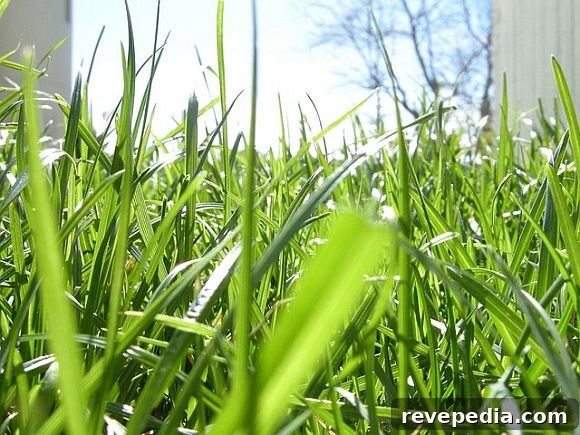
Photo: Flickr.com/photos/hummyhummy/2330061860/