All-terrain, mud-terrain, all-season, and hybrid tires are designed for different driving needs and surfaces. Choosing the right type affects traction, comfort, durability, and fuel efficiency, so understanding their differences helps you match tires to your typical driving conditions.
What are All-Terrain Tires?
All-terrain (AT) tires are built to deliver a balanced performance on paved roads and light to moderate off-road surfaces. Their tread designs use larger, more widely spaced blocks than standard road tires to improve grip on gravel, dirt, and loose soil while still providing acceptable comfort, noise levels, and handling on highways. AT tires are a popular choice for pickups, SUVs, and crossover vehicles for owners who split time between daily driving and recreational trails. They offer versatility but are not intended for extreme off-roading or deep mud.
What are Mud-Terrain Tires?
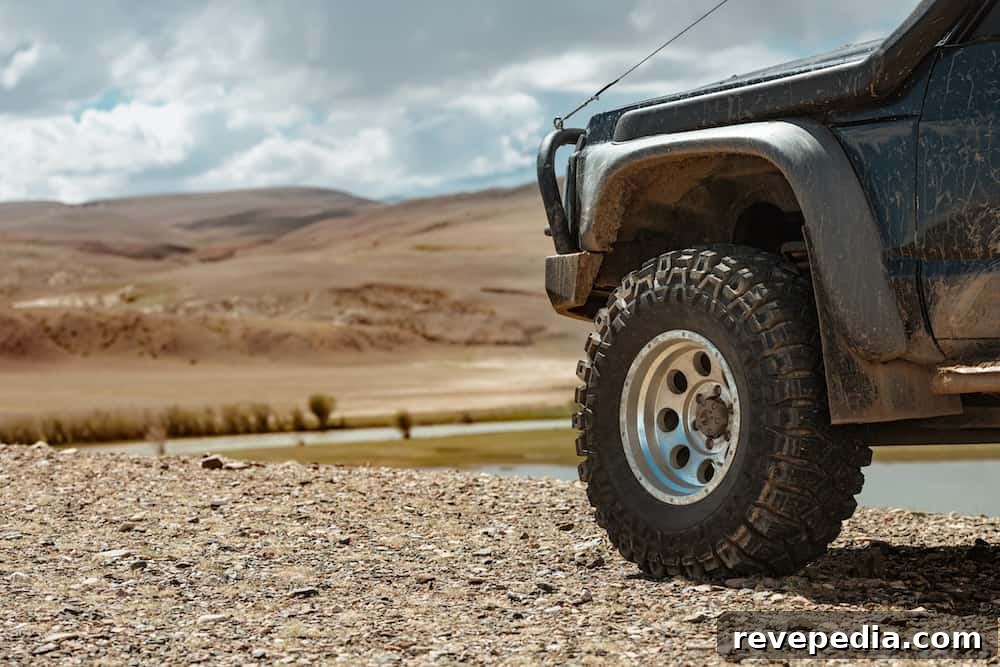
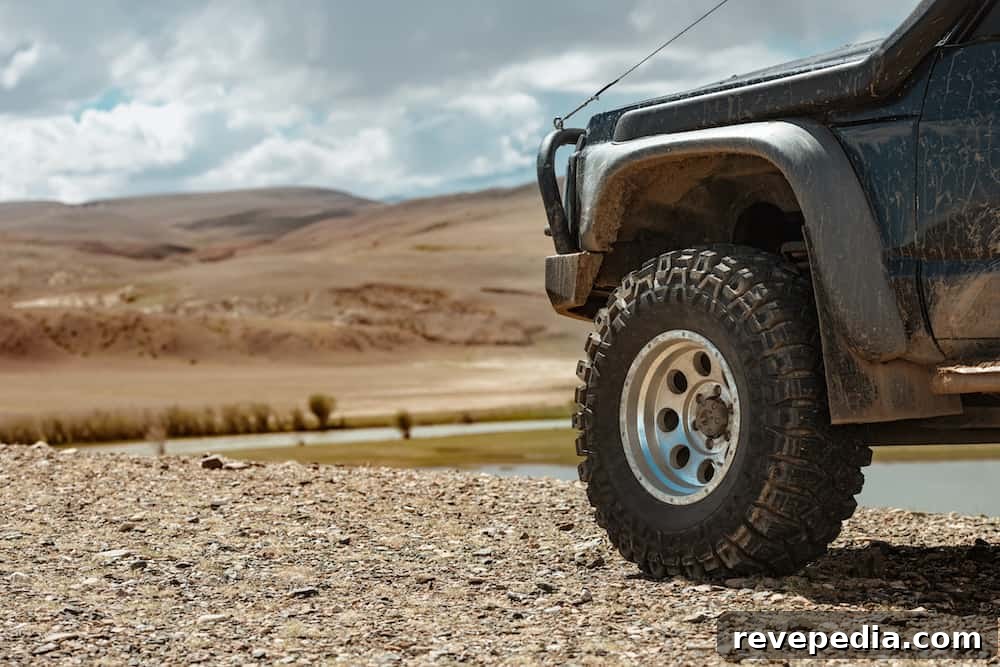
Mud-terrain (MT) tires are engineered for aggressive off-road use. Characterized by deep, chunky tread lugs and open voids, MT tires excel at digging into soft surfaces like mud, sand, and loose rock and at self-cleaning to prevent buildup. They typically have reinforced sidewalls for added puncture resistance and traction on rugged terrain. While exceptional off-road, MT tires tend to produce more road noise, have a firmer ride, and wear faster on paved roads compared with other tire types, making them better suited for dedicated off-road rigs and occasional street use.
What are Hybrid Off-Road Tires?
Hybrid off-road tires blend features of all-terrain and mud-terrain designs to offer improved off-road capability without sacrificing everyday drivability. These tires often incorporate aggressive-looking tread elements and reinforced shoulders or sidewall lugs but with closer tread spacing or compound choices that maintain more tolerable road noise and longer wear than pure MT tires. Hybrids are a strong option for drivers who frequently tackle trails yet also commute daily and want a compromise between extreme traction and on-road manners.
What are All-Season Tires?
All-season tires are optimized for year-round use on paved roads in climates without severe winter conditions. Their tread patterns and rubber compounds strike a balance between wet- and dry-weather traction, ride comfort, and tread life. Many all-season tires also handle light snow, but they cannot match the grip of dedicated winter tires in heavy snow, ice, or sustained sub-freezing temperatures. These tires are common on passenger cars, minivans, and crossovers where predictable, economical performance is the priority.
Tire performance is also shaped by construction, materials, and rubber compounds. Sidewall strength, tread compound, and internal design influence grip, rolling resistance, noise, wear rate, and cost. For example, off-road-focused tires typically use tougher compounds and strengthened sidewalls at the expense of highway comfort and fuel economy, while highway tires use softer compounds and designs that maximize quietness and longevity.
Selecting the right tire depends on your vehicle and driving habits: choose all-terrain tires for a mix of highway and light off-road use; mud-terrain tires for dedicated, rugged off-roading; hybrid tires for frequent trail use with daily driving; and all-season tires for primarily on-road driving with occasional light winter conditions. Match tire choice to the terrain you encounter most often to optimize safety, performance, and value.