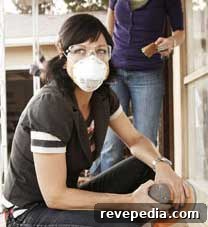
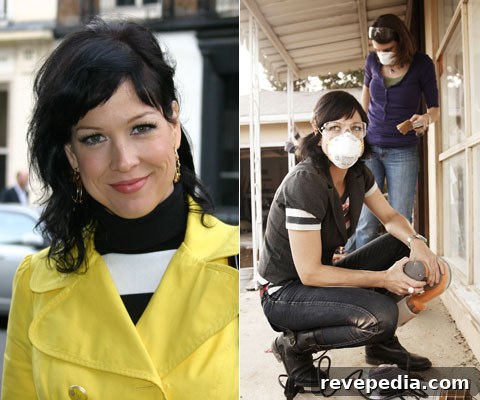
There are few television personalities in the DIY and design world who can move effortlessly between building cabinets on a project site and sitting down with internationally renowned designers to discuss high concepts. Amy Devers accomplishes both with poise and expertise, making her a standout talent in lifestyle television.
With an MFA in furniture design from the Rhode Island School of Design (RISD) and hands-on carpentry experience, Amy brings a designer’s sensibility to home improvement. Her background ensures that projects are not only structurally sound and functional, but also visually thoughtful and appropriate for real homes.
In this interview she explains how she entered entertainment, recalls on-set challenges, and offers her perspective on the direction of DIY and design programming both on-screen and off.
From Carpenter to On-Screen Host
Amy’s entry into television was unexpected. A friend forwarded a casting notice looking for someone with genuine carpentry and fabrication experience—previous acting skill wasn’t required. She auditioned on a whim and was hired. That opportunity led to DIY to the Rescue, a series that ran for more than 100 episodes and launched her on-screen career.
Travels with Designer People
As the current host of Designer People on OvationTV, Amy profiles world-class designers including Juergen Mayer H., Marc Newson, Zandra Rhodes, Bjarke Ingels, Marcel Wanders, and Michael Young. She describes every episode as a highlight: seeing Juergen Mayer H.’s Metropol Parasol under construction, watching Zandra Rhodes let textile patterns dictate garment shapes, observing Bjarke Ingels tackle complex design problems, and witnessing Marcel Wanders transform fantasy into functional objects.
Amy admires Marc Newson’s vast mental index of forms and Michael Young’s ability to stretch manufacturing processes. Each designer featured brings a distinct method and vision, making the series a continual source of inspiration and curiosity.
On-Set Challenges and Lessons
Television production rarely follows a smooth, relaxed timeline. On Freeform Furniture, Amy recalls shooting each episode in a single day, which required having multiple prototypes at various stages—sometimes seven to nine—so dry times and finish waits wouldn’t halt production. Preparing those prototypes often meant long all-nighters followed by 14–18 hour shoot days under hot studio lights. For audio reasons the crew kept windows closed and fans off, pushing temperatures near 110°F. She had to request permission to wear tank tops on camera to avoid visible sweat marks—a small but memorable production detail.
Amy also recounts a deeply affecting DIY to the Rescue special in New Orleans after Hurricane Katrina. The team rebuilt the home of a 78-year-old woman who had been defrauded by a contractor. Working conditions were difficult and physically taxing; Amy became ill and required medical treatment. More significant, though, was the emotional weight of witnessing devastation and loss. The experience taught her about the responsibility and potential of television to amplify the stories of people in crisis and to aid communities in meaningful ways.
The Future of DIY and Home Improvement TV
Amy believes programming about homes and shelter will remain relevant because the need for shelter is universal. She sees growing opportunities around retrofitting existing homes and gardens for sustainable living—solar energy integration, water conservation, composting, and edible landscaping are fertile topics. As audiences seek practical takeaways, shows that combine credible expertise with actionable information will stand out compared with purely entertainment-driven fare.
Design and Limited-Edition Work
Despite a busy schedule, Amy continues to design and create one-off furniture pieces and sculptural work for galleries. She is also developing a small limited-edition collection and seeking distribution, balancing commercial ambitions with unique, custom work.
Influences and Creative Sources
Amy credits instructors such as Wendy Maruyama (San Diego State University) and Rosanne Somerson (RISD) as formative influences. For inspiration she often looks beyond furniture and home improvement to music, sculpture, film, and documentaries. She also follows TED talks, which she finds useful for sparking ideas regardless of the topic.
Green Building and Reuse
Environmental considerations have long been part of Amy’s practice. She frequently incorporates found and salvaged materials into her projects, repurposing items in creative ways. While terminology has shifted—“re-using” or “repurposing” are now common—her aesthetic approach remains consistent. She has also prioritized lower-toxicity paints, adhesives, and finishes for many years and welcomes the wider availability of sustainable materials and better eco-friendly product options.
Practical DIY Advice
One practical skill Amy recommends for every homeowner is mastering a cordless drill/driver and understanding the many tasks it can perform. It’s a versatile tool that pays off across a wide range of projects.
Favorite Sites and Interests
When keeping up with design and architecture, Amy checks resources like Dezeen, ArchDaily, Design Observer, and Design Sponge. She also enjoys browsing Etsy shops for unique items and finds cultural pursuits—art, architecture, design, fashion, film, music, storytelling—and food to be ongoing interests. She admits she’s not the best cook, but she loves trying new culinary experiences.
A Memorable Tip and Current Work
One of Amy’s pithy DIY tips: “Don’t drink and do math.”
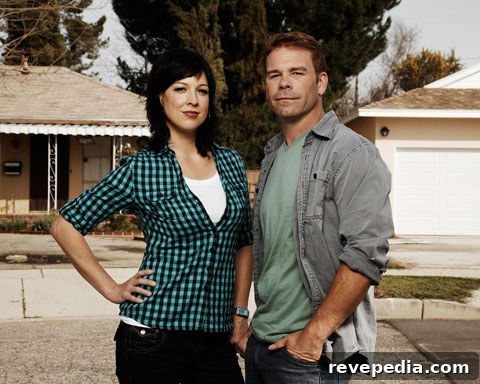
Amy’s latest projects and updates are available through her official website and social channels. Her newest show, Fix This Yard, helps homeowners revive yards that have become neighborhood eyesores by improving curb appeal. Fix This Yard premiered on A&E on Saturday, April 3 at 10:00am. New episodes of Designer People began airing on Ovation starting the week of April 25.