I discussed the question “Are expensive tools worth it?” on the latest episode of the Tool Crave podcast.
That straightforward question leads to a more important follow-up: what are your needs? The value of an expensive tool depends on how you plan to use it.
If you rely on tools to make a living, prioritize your needs over your initial budget. Professionals often need to expand their spending to secure reliable, long-lasting equipment that performs day after day.
Types of Tool Users
I divide tool users into three main categories: homeowners, DIYers, and professionals. Understanding which group you fall into helps determine whether an expensive tool is justified.
Homeowners
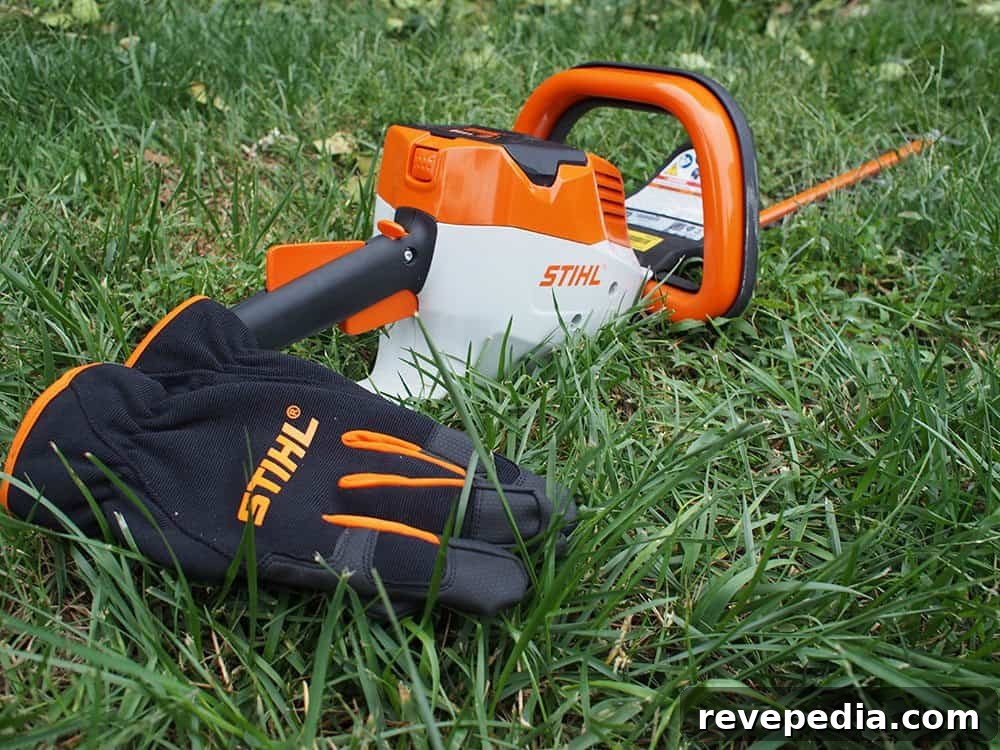
Every homeowner should own a basic toolkit to handle simple tasks like replacing a light fixture, tightening hinges, or hanging a picture. These jobs are quick and usually don’t require a contractor. Homeowners recognize the need for tools but often don’t use them frequently or have advanced skills.
DIYers
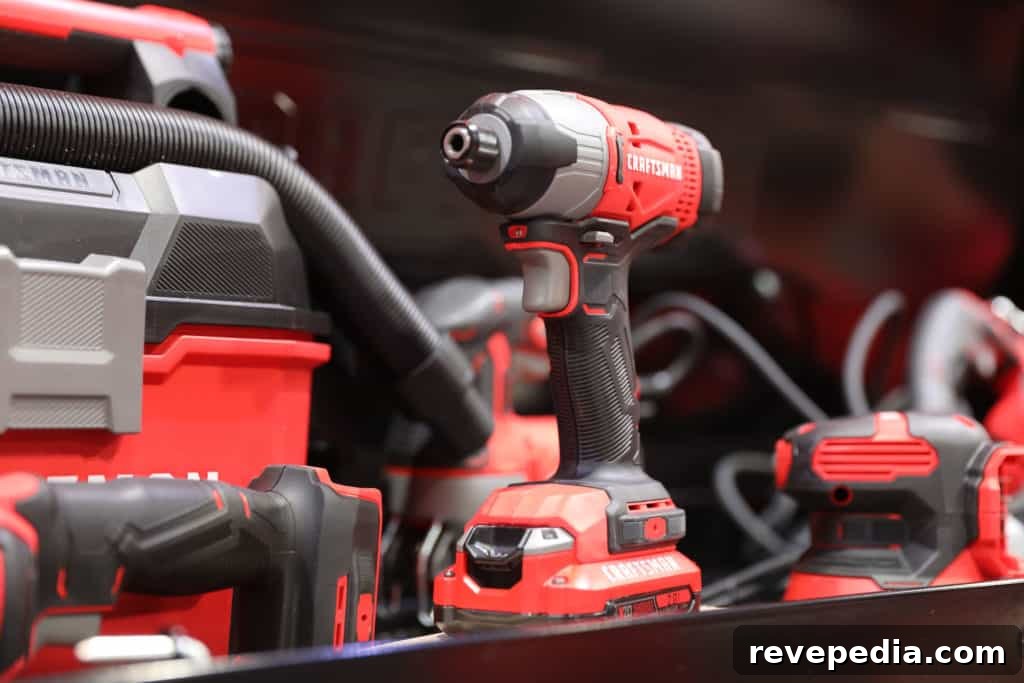
DIYers—often homeowners or renters—prefer to fix things themselves instead of hiring help. They usually have basic skills and take satisfaction in completing projects. Some DIYers are hobbyists who enjoy woodworking, automotive work, or other trades. They may not earn money from these activities, but they value doing the work themselves and saving on labor costs.
Professionals
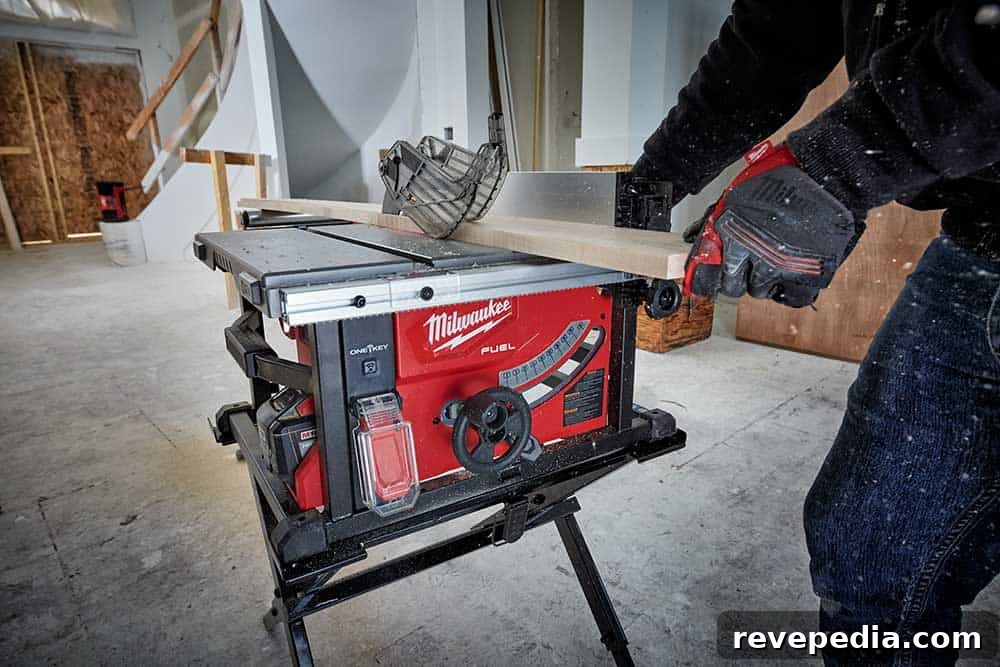
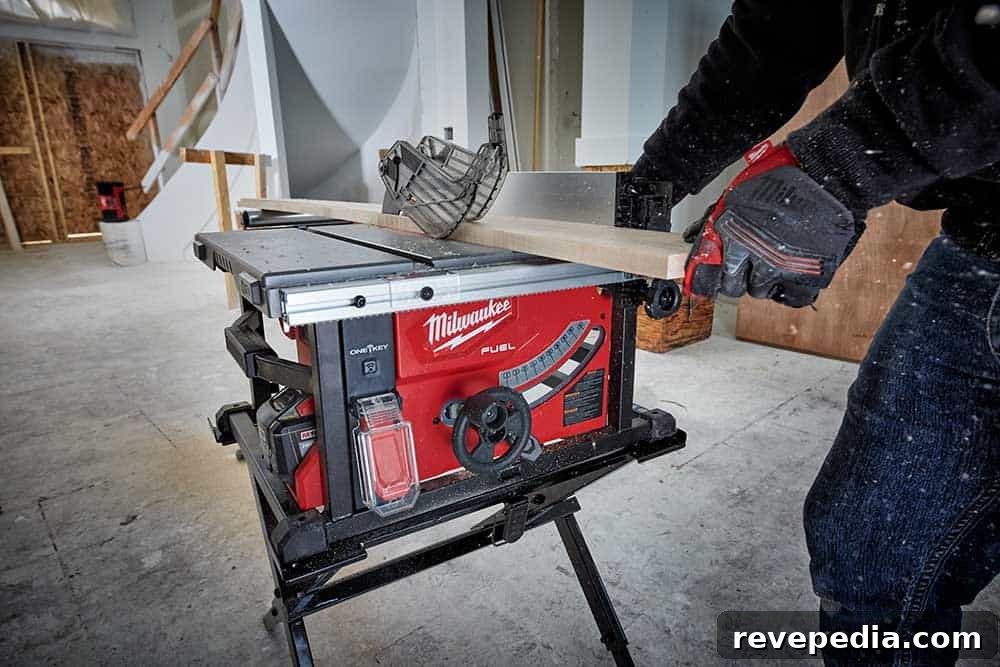
Professionals are contractors and tradespeople who earn their living with tools. They use equipment daily and can’t afford downtime caused by tool failure. Professional tools must withstand tough conditions—dust, moisture, rough handling—and deliver consistent power and runtime for extended periods.
Professionals often demand more powerful tools and longer battery life because jobsite conditions and project durations are unpredictable. Investing in higher-end tools can be a cost-saving decision when factoring in reliability and reduced downtime.
12 Volt or 18 Volt Battery Platform
In addition to evaluating how often you’ll use a tool and for what tasks, consider the battery platform. Battery size and compatibility influence power, runtime, and future tool purchases.
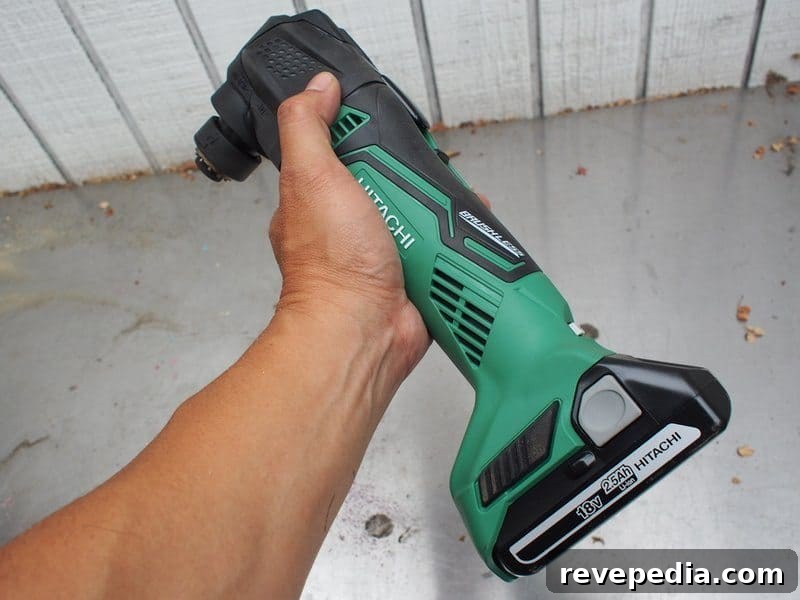
18V–24V Battery Platform
The larger 18V–24V platforms are typically intended for power users and professionals who need more torque and longer runtimes. DIYers tackling larger projects may also prefer these packs for the added performance they provide.
12V Battery Platform
The 12V platform suits homeowners and DIYers handling smaller tasks around the house. Investing in a high-quality compact platform can make sense if you plan to keep your tools for many years and don’t need heavy-duty power. For example, Milwaukee’s M12 line is pricier than entry-level options but offers durable, well-engineered tools for lighter work.
Which Tool Brands Are Best for Homeowners?
Homeowners generally use tools infrequently and for brief tasks, so professional-grade equipment is often unnecessary. It would be overkill for a homeowner to buy a high-end FlexVolt set just to drill a single pilot hole.
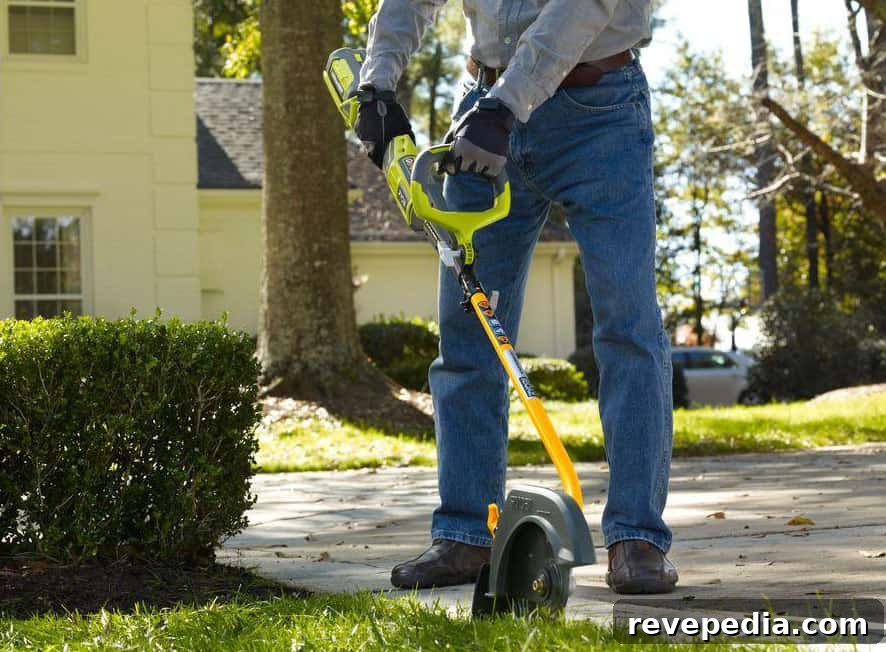
Because homeowners’ requirements differ from professionals’, their tools don’t need the same heavy-duty specifications. If you’re a homeowner or casual DIYer who doesn’t require contractor-grade performance, consider reliable mid-range brands that balance cost and capability.
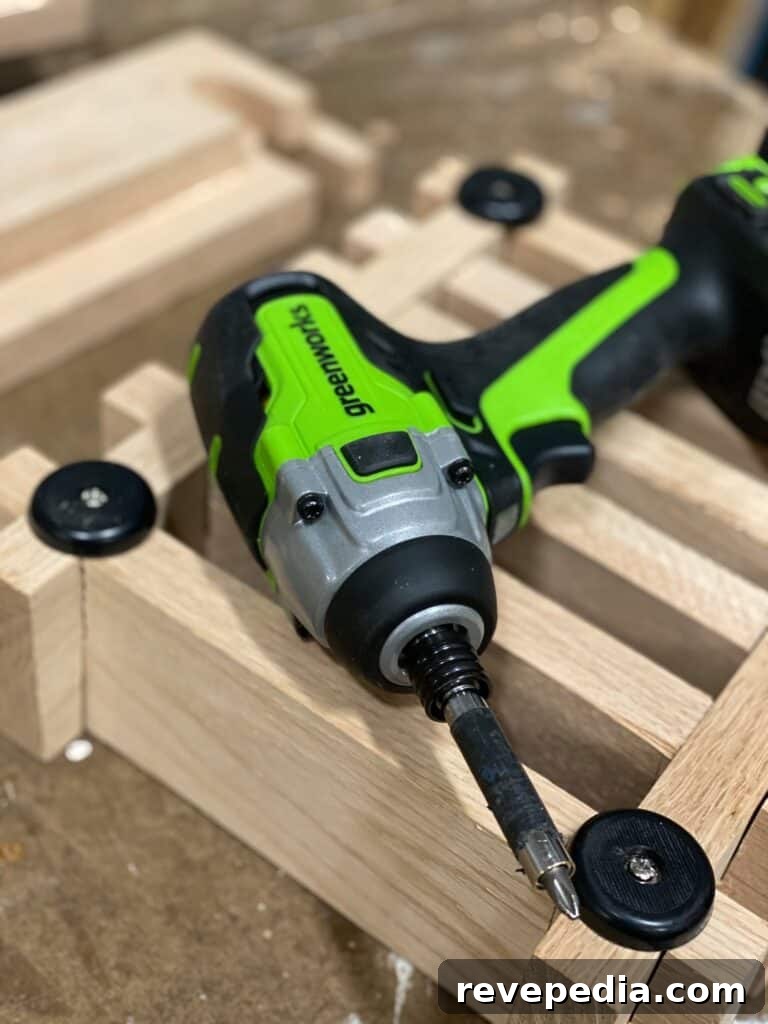
Brands to consider for homeowners and budget-conscious DIYers include Greenworks, RYOBI, Craftsman, Black & Decker, Porter-Cable, Hart, Skil, Kobalt, and Hercules. These manufacturers offer a range of affordable, dependable tools suitable for occasional use and home projects.
Choosing the right tool is about matching performance to need. If you need durability, extended runtime, and consistent power for professional work, a higher-priced, professional-grade tool can pay off through reliability and reduced downtime. For light, occasional home use, mid-range and consumer-focused brands often provide the best value.
What is your favorite power tool brand? Do you think expensive tools are worth the investment?