This post is sponsored by Arrow Fastener. All opinions are my own.
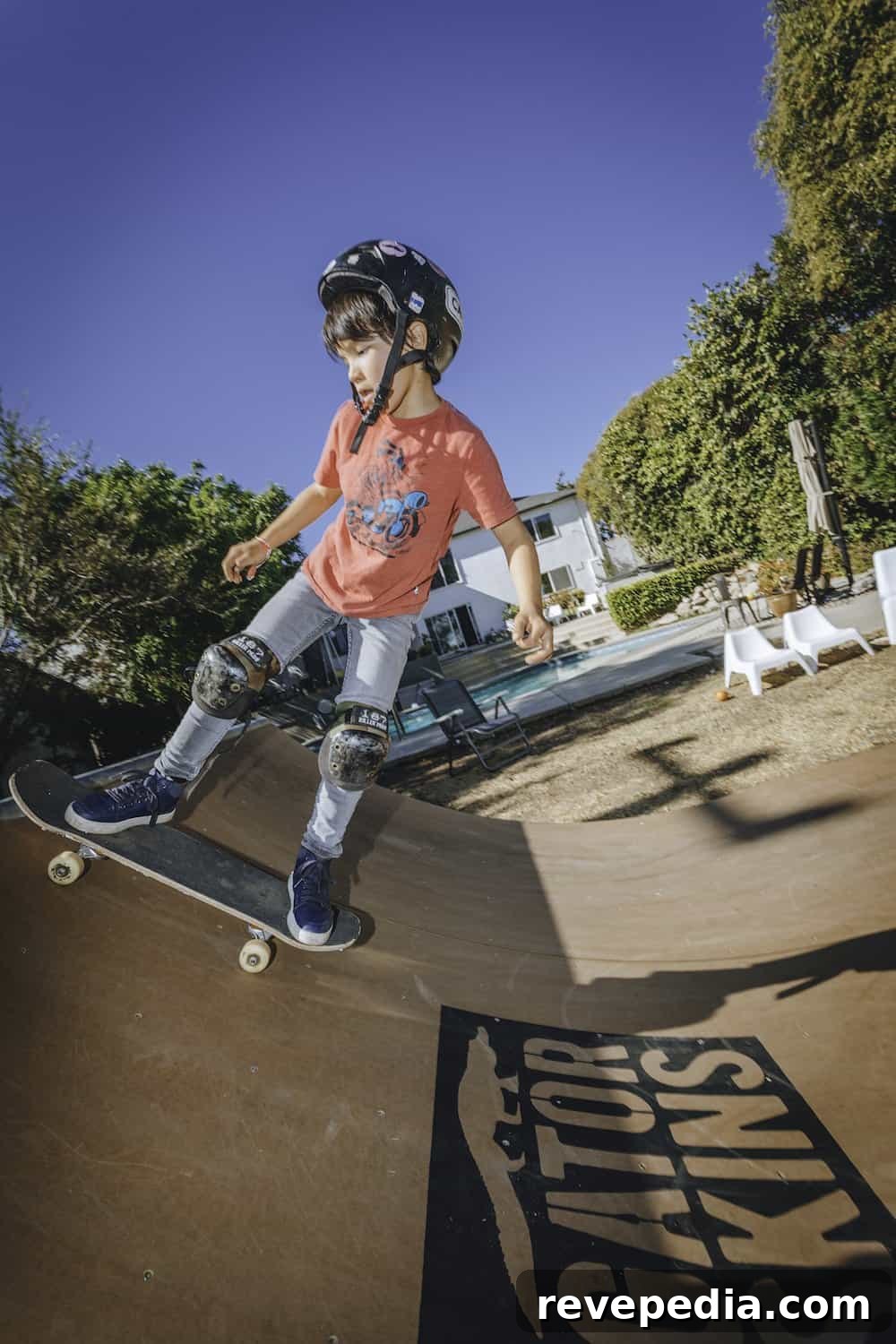
Christmas came early at the Dahl house this year. Our eight-year-old son loves to skate, and after breaking his leg this summer he’s returned with more enthusiasm than ever. Rather than let him skate in the busy street, we built a backyard half-pipe so he and his friends could ride safely.
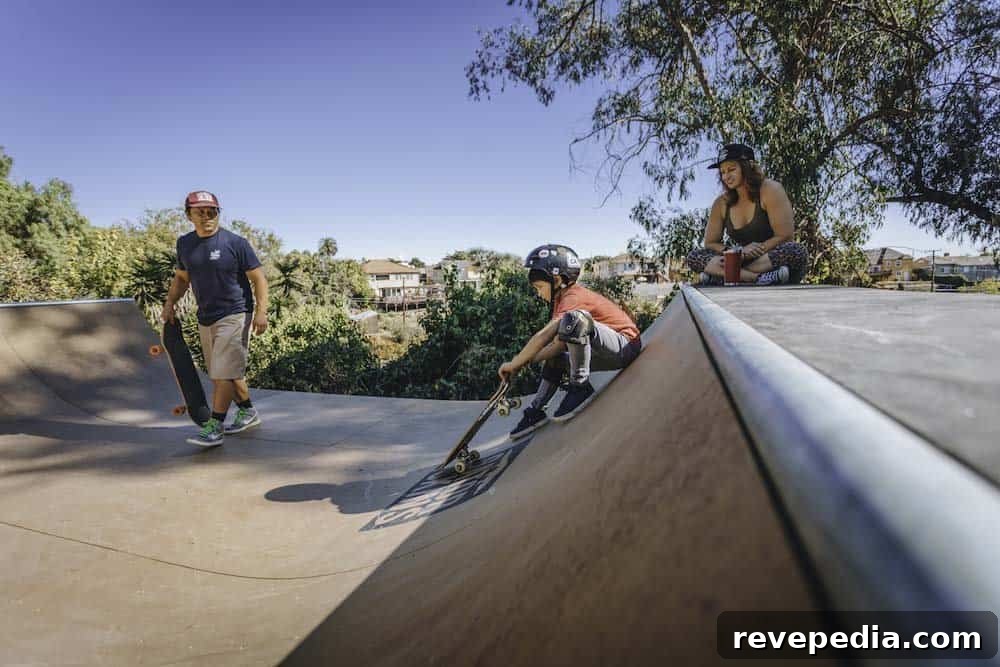
On the first day of skate camp this summer he collided with another child and broke his tibia. He spent the entire summer in a cast, but that didn’t stop him from camping, swimming, and scooting everywhere.
As soon as the cast came off he wanted to get back on his skateboard, and we wanted to encourage him—so building a mini-ramp made perfect sense.
We have a large backyard with a lawn and dirt area that could accommodate a 12-foot-wide mini-ramp. Our first decision was ramp height. Taller ramps are steeper and harder to ride. Although our son has skated at the skatepark for two years, he’s only comfortably dropped in on ramps about two feet tall.
We selected a 3.5-foot ramp without true vert—high enough for progression but still manageable. We bought the ramp sections from Keen Ramps to save on professional installation and because we wanted the hands-on experience of building it ourselves.
We chose one of the hottest days in October to assemble it and even took our son out of school to help. Over two and a half days we finished just in time for his birthday and Halloween party.
The ramp was an instant hit. Even though most of his friends don’t skate, the structure became a magnet for kids and doubled as a slide and play area.
We’ve shared ramp-building tips on Built by Kids, but one of the most important is protecting the ramp from the elements—mainly rain and moisture.
We began by elevating and leveling the ramp on concrete blocks. A level surface is essential for safe skating, and raising the structure off the ground prevents the wood from sitting in water, which would quickly cause rot.
Next, we painted the sides and the plywood surface. Paint adds a protective layer against moisture that might seep through the top layer of Gatorskin ramp surfacing.
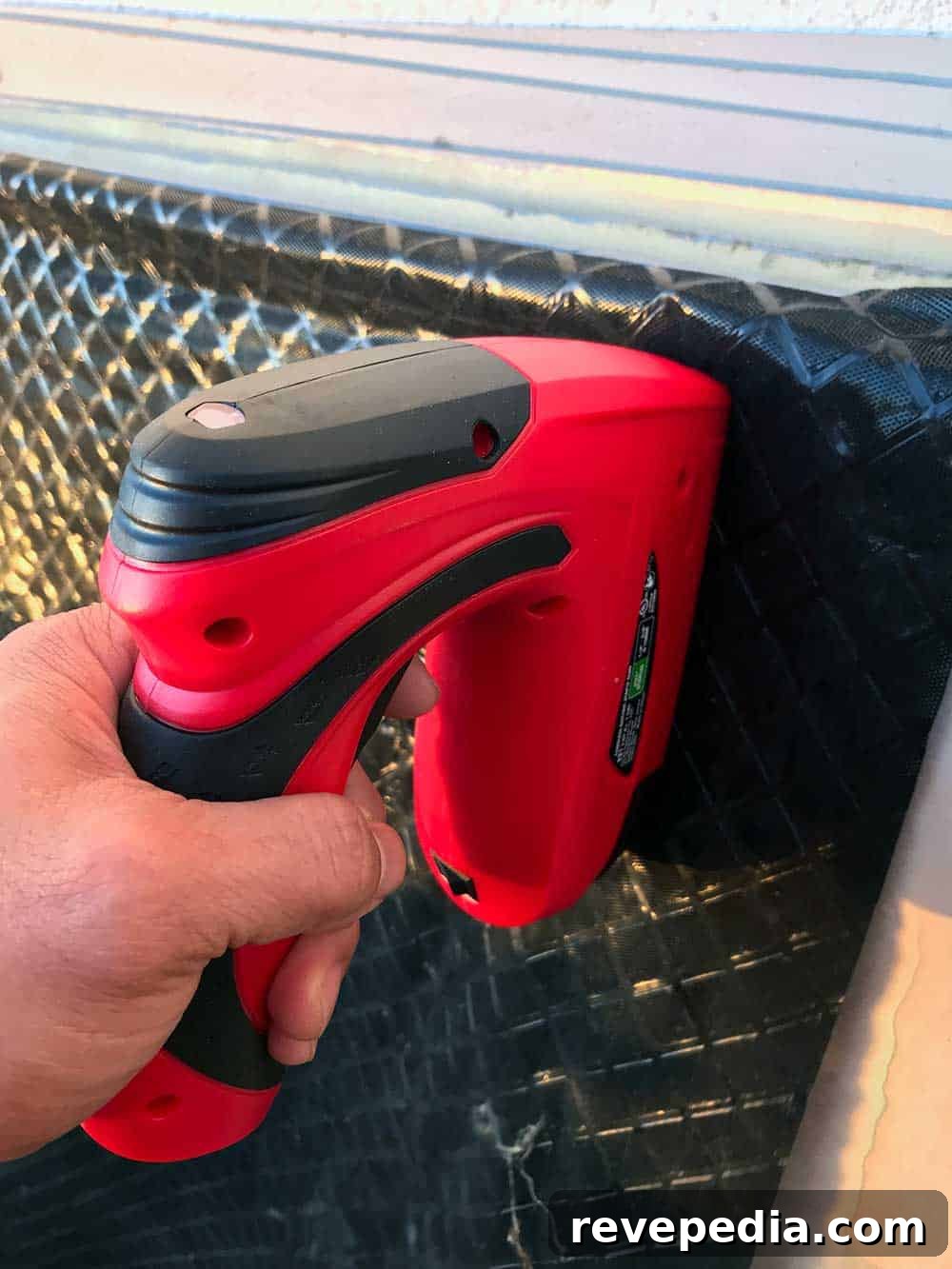
To go a step further, we stapled roofing paper over the middle plywood layer to create an additional waterproof barrier. This extra layer protects the plywood and the framing beneath, keeping the 2x4s dry during rain.
We used stainless-steel screws to fasten the plywood and ramp surfacing, but screws are excessive for securing roofing paper. A heavy-duty stapler is ideal for that task. We like the Arrow T50ELITE staple gun, but after hundreds of staples, hand fatigue becomes an issue.
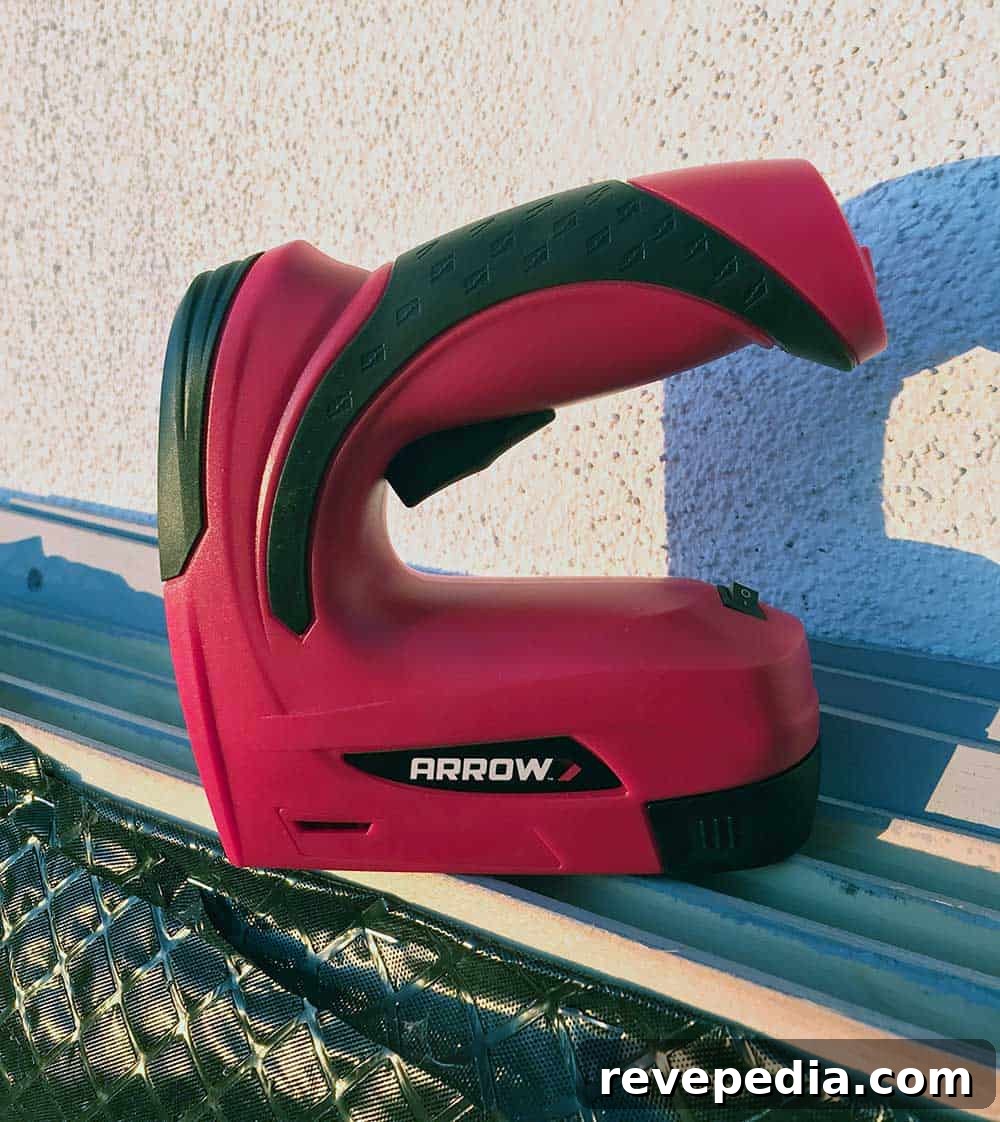
Arrow sent their new Arrow E21 Cordless Electric Staple Gun for the job. This cordless stapler provides about three hours of battery life, which was more than enough to cover the skate surface.
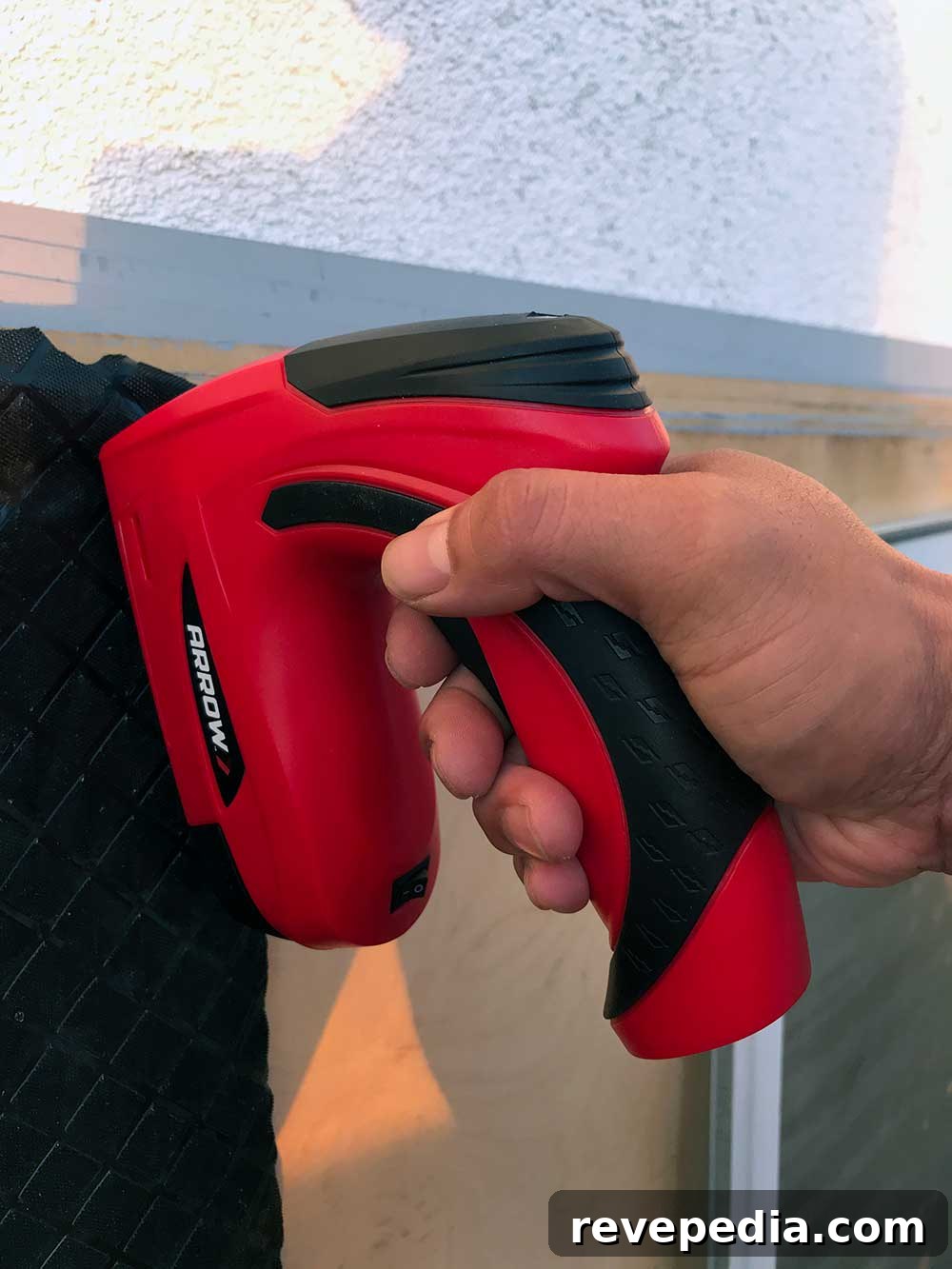
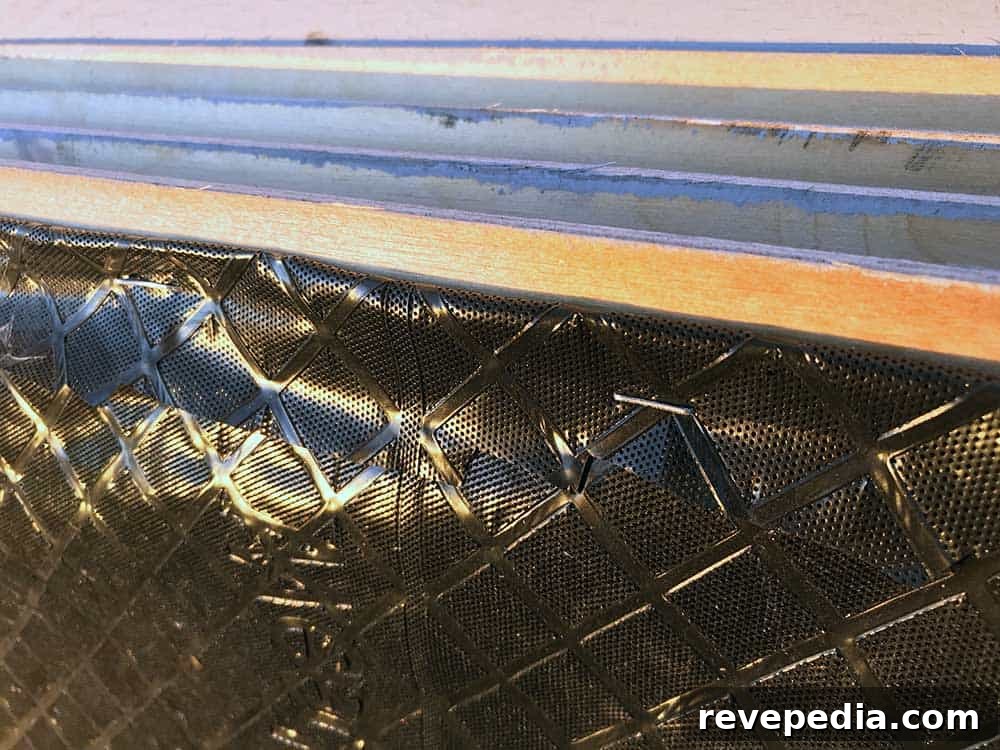
The Arrow E21 was powerful enough to secure the roofing paper to the plywood, and its easy trigger action prevented the hand and wrist fatigue that would come from using a manual stapler all day.
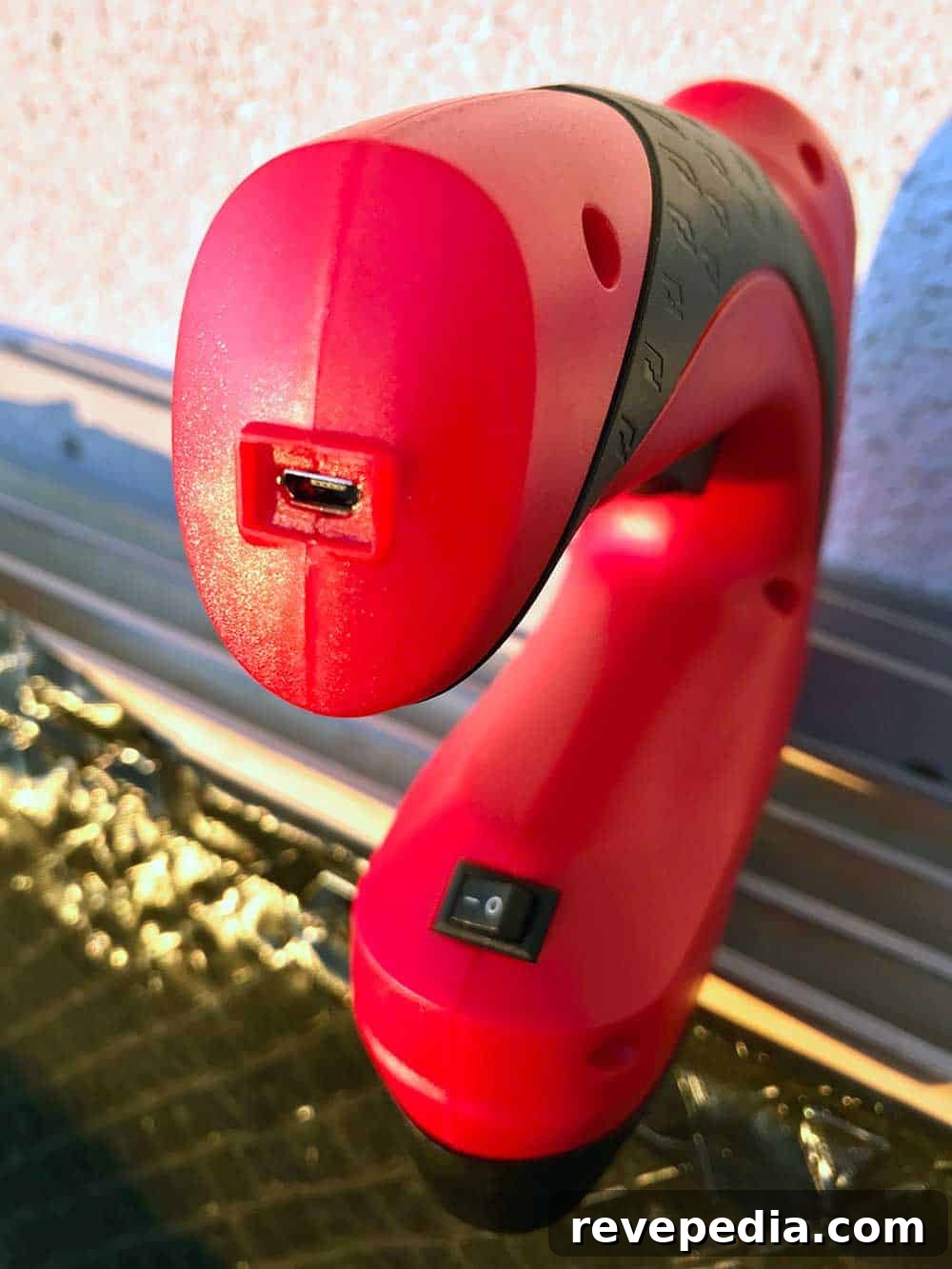
The stapler includes a battery-life indicator on top, and ours held a full charge through the project.
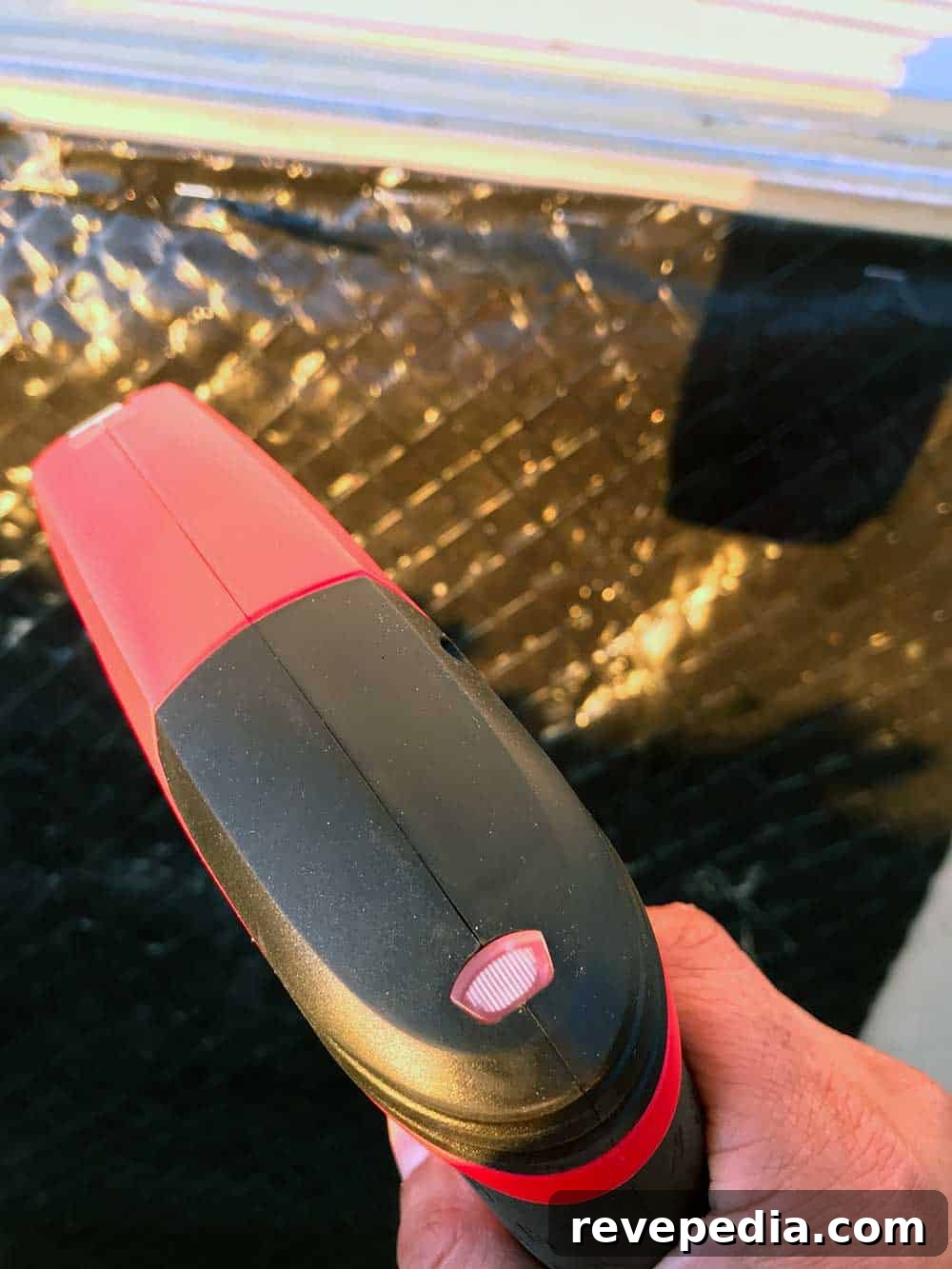
The Arrow E21 accepts JT21 staples or 18-gauge brad nails, which makes it versatile for a range of tasks. We now plan to use it for small woodworking jobs where we might otherwise reach for a pneumatic stapler.
We don’t get a lot of rain in Los Angeles, but moisture is always present in the air. Taking these extra precautions to protect the ramp from water damage is a smart investment that should extend its life.
Check out other #MadewithArrow projects to see more creative uses for Arrow tools.