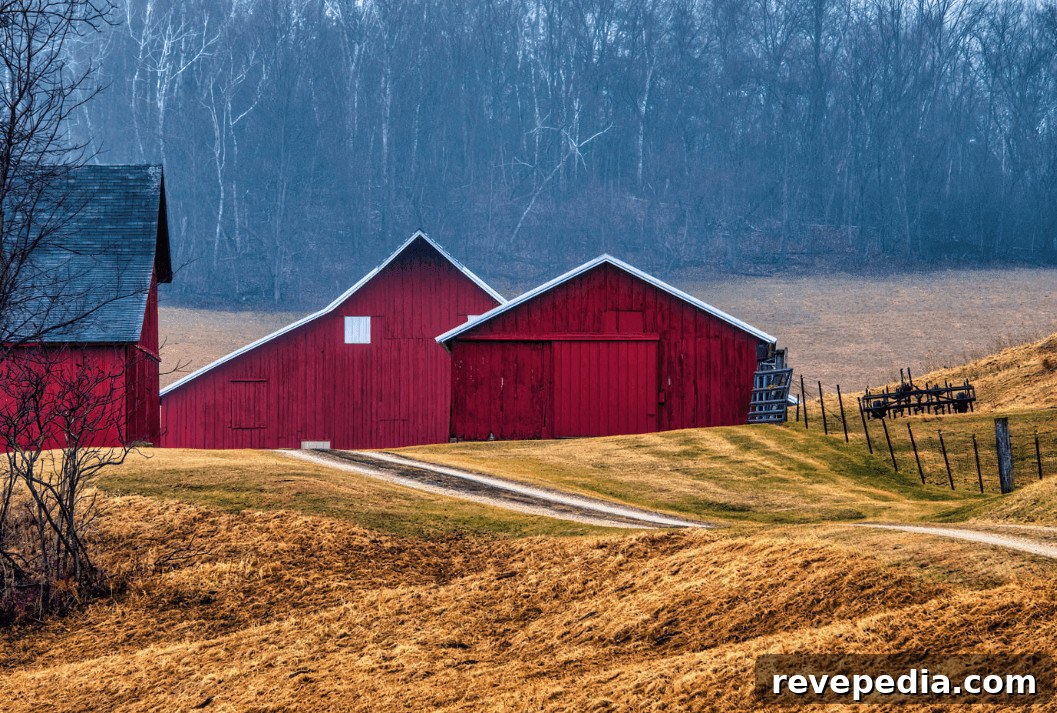
A few years ago “barndominium” was a niche term. Today it ranks among the most searched ideas in residential building, as many families trade a conventional subdivision house for something more open, durable, and personal.
The appeal is straightforward: a robust metal or post-frame shell surrounding a spacious, flexible living area. Looking through barndominium house plans illustrates how adaptable the format is. This guide explains what a barndominium is and what to consider before you start building.
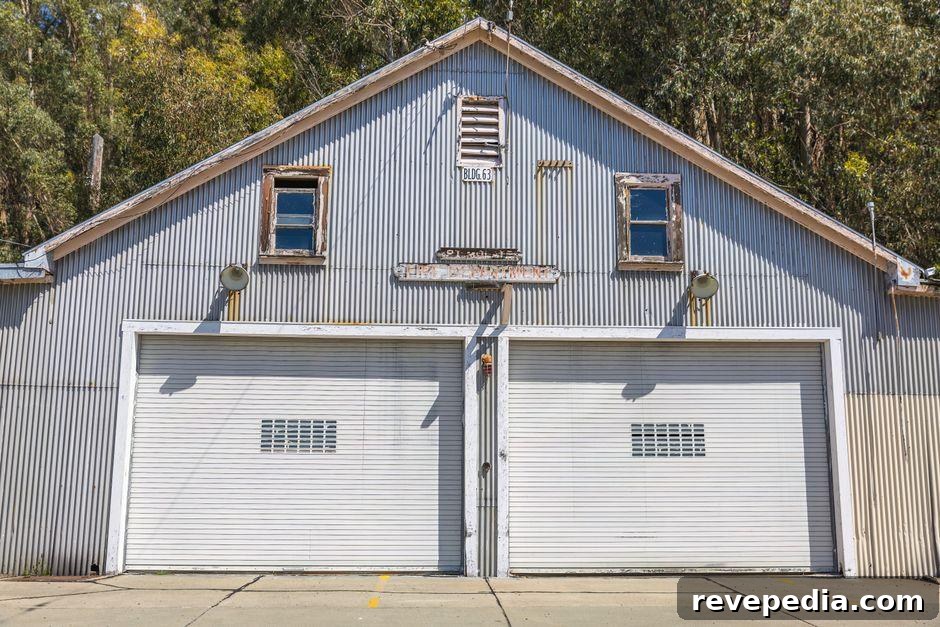
Photo by Robert So on Pexels
What Exactly Is a Barndominium?
A barndominium is a residence built on a barn-style frame—typically steel or post-frame—with a finished living space inside. The term merges “barn” and “condominium,” but most barndominiums are not used as agricultural buildings.
The defining characteristic is the structure. A clear-span metal or timber frame eliminates interior load-bearing walls, which is why barndominiums are known for expansive, open floor plans. Steel components are usually bolted or welded, so high-quality metalwork matters for a durable shell. The result is a large, simple rectangle you can configure in many ways.
Inside, a barndominium resembles any modern home: drywall, flooring, kitchens, and bathrooms are installed just as in conventional construction. From the street, many barndominiums are indistinguishable from contemporary houses.
That flexibility is the main advantage. Owners can finish the entire interior at once, dedicate part of the space to a workshop or garage, or stage interior finishes over time to match a budget. Few home formats offer such freedom of layout and use.
What Should You Plan Before Building One?
There’s a lot to plan, because the shell is only the beginning. Barndominiums reward careful planning more than many stock house designs. Address these items early:
- Foundation. A slab or other foundation must be sized and poured correctly for the chosen frame and loads.
- Insulation. A metal shell requires solid insulation strategy to ensure comfort and energy efficiency.
- Roof. Roof pitch, overhangs, and material affect cost, durability, and weather performance.
- Layout. Clear-span interiors are a blank canvas, so plan room locations, plumbing runs, and mechanical systems deliberately.
- Plans and permits. Use proven drawings and verify local code and permit requirements before breaking ground.
Insulation deserves special attention. Metal conducts heat and cold, so choosing effective insulation—spray foam or rigid board, for example—separates a comfortable, quiet home from one that is drafty and noisy.
Starting from a complete plan set saves time and money. Proven plans incorporate the necessary engineering, calculate clear spans, and address code requirements so you’re not reinventing structural details thousands of builders have already tested. They also help resolve practical choices like roof design before the first panel is set in place.
Are Barndominiums a Smart Choice?
For the right owner, yes, though they are not a universal solution. Their main strengths are speed of construction, durability, and a typically lower cost per square foot—especially on rural parcels. Typical figures illustrate why they appeal to many buyers:
- Common footprints range from about 1,500 to 3,000 square feet.
- Build costs often fall in the $100 to $150 per square foot range, depending on region and finishes.
- Steel frames can last 40 to 50 years or more with minimal upkeep.
- Insulation levels around R-19 in walls and R-38 in ceilings are common targets for comfortable, efficient interiors.
Cost savings largely come from the shell: steel or post-frame systems go up quickly and resist rot, pests, and fire better than traditional timber framing. On larger footprints, the cost per square foot often lands below that of a comparable stick-built home.
There are trade-offs. Financing can be more complicated, some neighborhoods restrict nontraditional structures, and a poorly insulated metal building can be noisy or expensive to heat and cool. Most of these issues are manageable with thorough planning and the right professionals.
Interest in barndominiums is growing alongside broader shifts in residential construction. Alternative builds are increasingly part of the housing landscape, and this format has moved well into the mainstream for buyers seeking flexibility and value.
How Do Barndominiums Compare to Traditional Homes?
Structurally different but comparable in livability. The main contrasts are:
| Aspect | Barndominium | Traditional Home |
| Frame | Steel or post-frame | Wood stick-built |
| Interior layout | Wide-open, clear-span | Divided by load-bearing walls |
| Build speed | Often faster | Typically slower |
| Cost per square foot | Frequently lower | Usually higher |
| Financing | Can be harder | Well established |
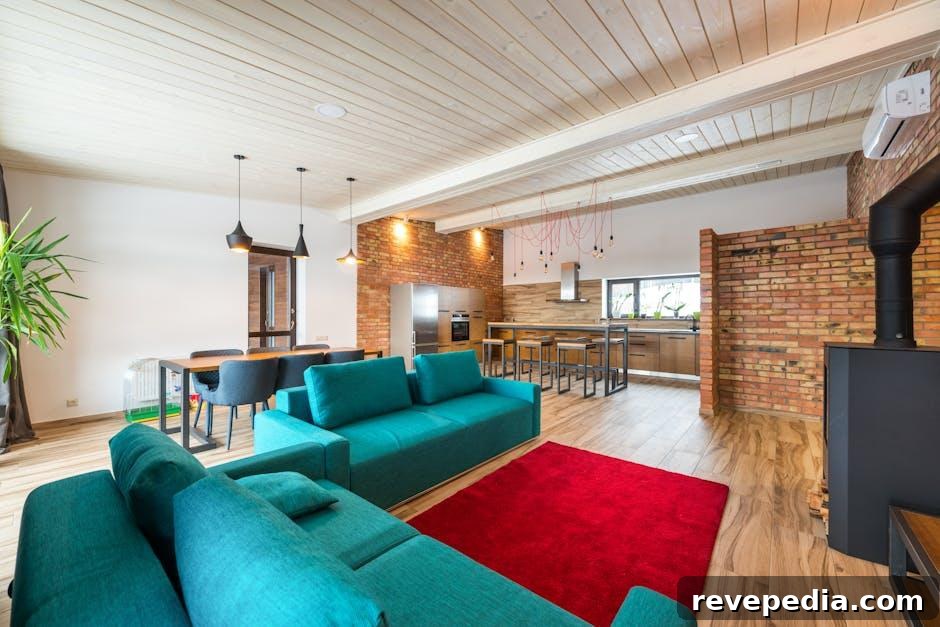
Photo by Max Vakhtbovych on Pexels
The structural differences shape everything else. Clear-span framing delivers the signature openness of barndominiums, while traditional homes rely on interior walls for support. Each approach suits different priorities and lifestyles.
Often the deciding factors are land and lifestyle. On larger lots or acreage, a barndominium provides space, durability, and value that are difficult to match. In dense subdivisions or historic neighborhoods, a conventional house may fit better with zoning, covenants, or neighborhood character.
Before You Build
- A barndominium is a steel or post-frame shell with a finished living space inside.
- Clear-span framing enables large, flexible open plans.
- Insulation, foundation, and roof design are critical early planning items.
- Cost per square foot is often lower, though financing and neighborhood rules can complicate the process.
- Using proven house plans reduces risk, saves money, and speeds approvals.
Is the Barndo Life for You?
A barndominium isn’t for everyone, but for the right homeowner it delivers generous space, durability, and value that a standard house can struggle to match. The essential ingredients are planning and professional design: get the shell, insulation, and layout right from the start, and rely on proven plans rather than improvising. With those steps in place, a barndominium becomes a practical, striking home built largely on your own terms.
Frequently Asked Questions
How Much Does a Barndominium Cost to Build?
Costs vary by region, size, finish level, and site conditions, but build cost per square foot is often lower than a comparable stick-built house—especially for larger footprints. The metal shell is efficient to erect, though interior finishes, land purchase, and site preparation still contribute significantly to the total.
Are Barndominiums Hard to Insulate?
They require more deliberate insulation work than a standard framed house because the exterior shell conducts temperature and sound. Spray foam and rigid board are popular and effective choices. When insulated and detailed correctly, a barndominium is as comfortable and quiet as any traditional home.
Can You Get a Mortgage for a Barndominium?
Yes in many cases, but it can be more complicated than financing a conventional home. Some lenders are less familiar with this type of construction, so working with a lender experienced in rural or alternative builds helps. Complete, professional plans also make lender approval easier.
Are Barndominiums Durable?
Yes. Steel and post-frame structures resist rot, termites, and many common issues that affect wood framing, and they stand up well to adverse weather when properly detailed. With correct insulation and routine maintenance, a well-built barndominium can last for decades with minimal structural problems.