Although economic uncertainty has forced many homeowners to postpone large-scale renovations, remodeling activity has not stopped entirely. A recent poll of leading builders and developers conducted by the National Association of the Remodeling Industry (NARI) highlights the projects likely to gain traction in the coming year.
The overall pattern is clear: homeowners are prioritizing smaller, essential upgrades while saving money and planning for major projects later. Even with tighter budgets, several trends are expected to remain strong, including:
- Bathroom renovations. Upgrading bathrooms often delivers a significant aesthetic and functional boost without the high cost associated with whole-house remodels, making them a smart, budget-conscious choice.
- Warmer color palettes. Homeowners are increasingly choosing warm tones that preserve a contemporary look—creating cozy, inviting interiors that still feel modern and fresh.
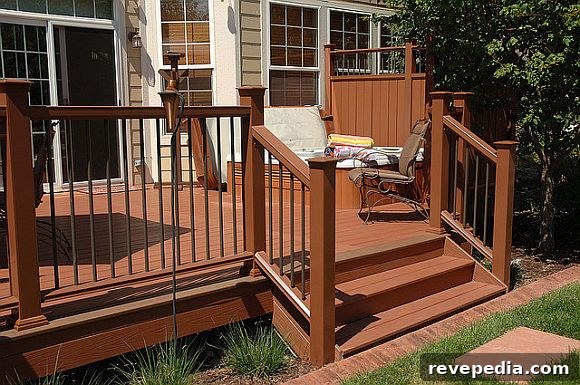
- Outdoor living and decks. Building or improving outdoor spaces continues to be popular; decks and patios expand usable living space and support a lifestyle that values fresh air and entertaining.
- Cash payments for projects. To maintain strict budgets and avoid added interest, more homeowners are opting to pay for renovations with cash rather than financing through loans.
- Industrial-chic design. Architectural elements such as exposed beams, stainless steel cable railings, and other industrial materials are rising in popularity, especially in houses that serve as combined living and workspaces.
These trends reflect practical choices made under financial constraints: homeowners seek high-impact, lower-risk improvements that increase comfort, functionality, and property appeal. Smaller projects like bathroom updates, deck enhancements, and color changes can be completed relatively quickly and often provide measurable value—both for daily living and resale potential.
Paying in cash reduces long-term costs and keeps renovation plans manageable, while the move toward industrial-chic finishes responds to demand for durable, visually striking details that suit modern, multipurpose homes. Outdoor additions, meanwhile, extend living areas and connect indoor spaces to nature, a priority for many families and homeowners adapting to changing lifestyles.
What matters most is aligning projects with personal priorities and financial limits. Whether following industry forecasts or choosing a more individual design path, homeowners benefit from clear planning, realistic budgets, and reliable contractors. Thoughtful, well-executed smaller projects can bridge the gap until larger renovations become feasible.
Photo: Flickr.com/fiberon