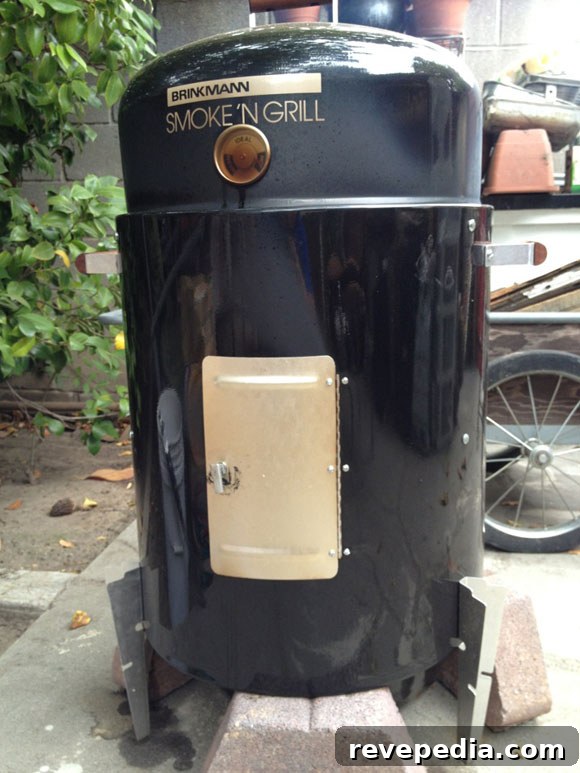
The 4th of July is prime time for outdoor cooking. For years we stuck to grilling burgers and hot dogs, but this year we decided to try something different and smoke a pork butt on our new Brinkmann smoke-and-grill. The Brinkmann proved to be a capable cooker, and I made a few modifications I’ll describe later. For now, here are some practical observations about smoking versus traditional grilling and tips for getting the most out of a smoker.
Richer Flavor
The most compelling reason to smoke is flavor. When you cook with wood or wood pellets, the meat takes on a deeper, more complex taste than it gets on direct heat. Properly smoked meat often develops a visible smoke ring around the outer edge, a sign many pitmasters regard with pride. Smoking is a craft: learning to control temperature, smoke intensity, and cooking time takes practice, and mastering it gives you real satisfaction and noticeably better results.
Low Maintenance Cooking
Smokers tend to be low maintenance in regular use. You should keep cooking grates clean and lightly oiled to prevent sticking and to extend their life. Ash and spent fuel need to be emptied regularly, but beyond basic cleaning, many smokers don’t require much day-to-day attention. More advanced units—such as pellet grills—have additional moving parts and electronics that need occasional maintenance. A simple dome or offset smoker, by contrast, mostly just needs an occasional scrub and ash removal to stay in good shape.
Combo Units vs. Dedicated Smokers
Combo grill/smoker units are convenient, but they involve trade-offs. Combining functions into one appliance often means less usable space in both the grilling and smoking areas compared to separate, dedicated units. Purists who focus primarily on low-and-slow smoking may prefer a dedicated smoker for the best results and capacity. For homeowners who grill regularly and only smoke occasionally, however, a combination unit can be an excellent compromise: versatile, space-saving, and more affordable than owning two separate cookers.
Placement and Ventilation
Where you place your grill or smoker matters for both safety and performance. Keep any smoker or grill several feet away from structures, overhanging trees, shrubs, and other combustible materials. Good ventilation helps control smoke flow and prevents the cooking area from becoming uncomfortable. Position smokers so they can catch a slight breeze rather than operating in a tightly enclosed spot or directly under overhangs. Proper placement improves draft, helps maintain consistent temperatures, and keeps smoke from pooling where people gather.
So what do you prefer—grilling or smoking? Both have their advantages: grilling is fast and direct, while smoking produces deeper flavor and a different culinary experience. If you have the space and the appetite for experimentation, adding a smoker to your outdoor cooking toolkit is well worth it.
Happy 4th of July!