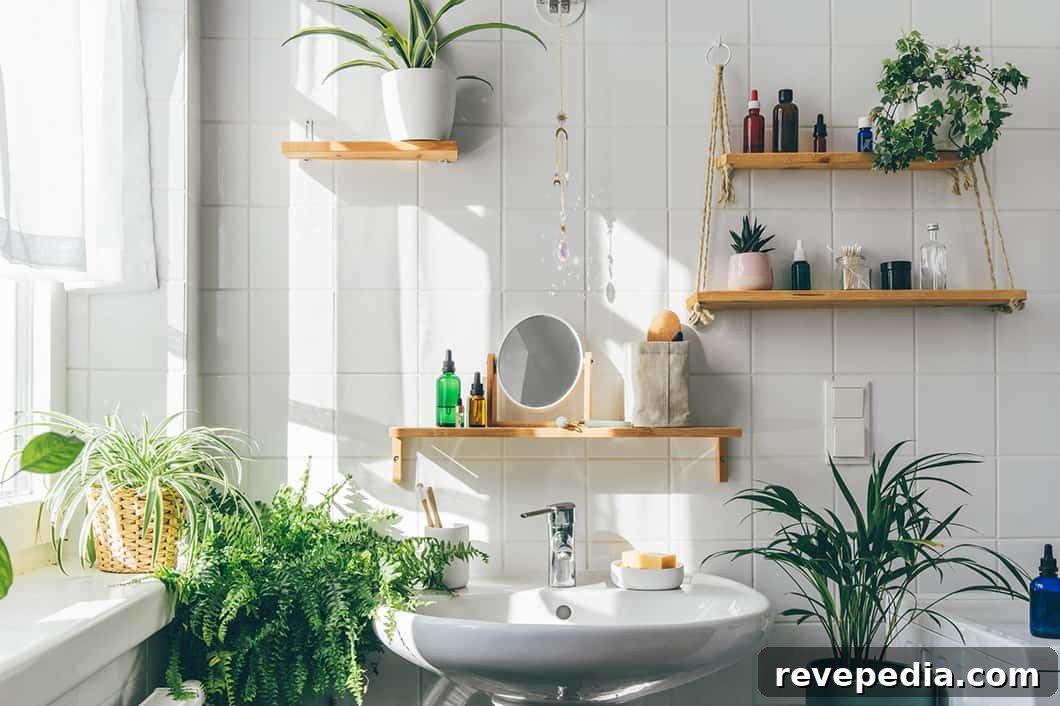
Biophilic design is the defining trend in interior design right now. At this year’s Kitchen and Bath Show (KBIS), virtually every exhibit featured some aspect of biophilic design. It’s impossible to ignore—and for good reason.
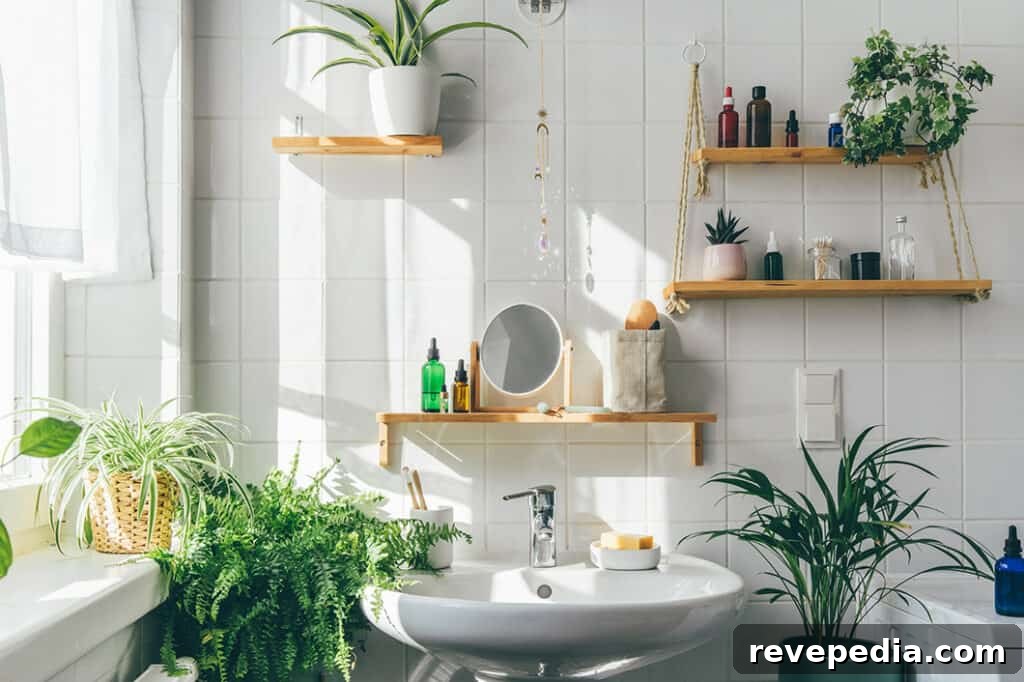
After years of living and working in sterile, artificial environments, many of us crave a stronger connection to nature. Biophilic design answers that need by integrating natural elements into interior spaces to create environments that feel healthier, calmer, and more restorative.
What Is Biophilic Design?
Biophilic design is an approach to interior design that intentionally brings the natural world indoors. Rooted in the idea that humans have an intrinsic affinity for nature, this style uses organic forms, natural materials, light, vegetation, and water features to create spaces that support physical and mental well-being. As interest in wellness and healthier living grows, biophilic design is becoming an increasingly popular way to transform homes, offices, and public spaces.
Why Nature Matters in Interior Design
Research consistently shows that exposure to natural light, plants, and outdoor views reduces stress, improves mood, and boosts productivity. Time spent around nature is also linked to lower rates of anxiety and depression. By deliberately incorporating nature’s elements, biophilic design helps bring these therapeutic benefits into daily life, making interiors more comfortable, restorative, and conducive to overall health.
Core Elements of Biophilic Design
Biophilic design can be realized through a variety of strategies and features. Key elements include natural light, plant life, authentic materials, and water—each contributing to a stronger connection with the outdoors.
Natural Light
Maximizing daylight is central to biophilic design. Large windows, skylights, and thoughtfully positioned openings invite sunlight deep into interiors, strengthening the link to the outdoors and supporting circadian rhythms and mood.
Plants
Plants are one of the most direct ways to introduce nature into interiors. Options range from simple potted plants to hanging planters, living walls, and integrated greenery in furniture or room dividers. Vegetation improves air quality and adds texture, color, and life to a space.
Natural Materials
Using materials such as wood, stone, clay, and natural fibers helps create tactile and visual connections to the earth. These materials can be applied to floors, countertops, cabinetry, furniture, and finishes, bringing warmth and authenticity to interiors.
Water
Water’s sound and motion have soothing effects that foster relaxation. Incorporating water features—such as tabletop fountains, water walls, or aquariums—adds sensory richness and a calming presence to interior spaces.
Biophilic design is more than a trend; it’s a design philosophy that supports health, comfort, and emotional well-being. By thoughtfully integrating natural light, plants, authentic materials, and water, designers and homeowners can create rooms that feel more balanced and restorative. Whether applied to a bedroom, kitchen, bathroom, or workspace, biophilic principles make interiors more inviting, resilient, and aligned with our innate desire for nature.