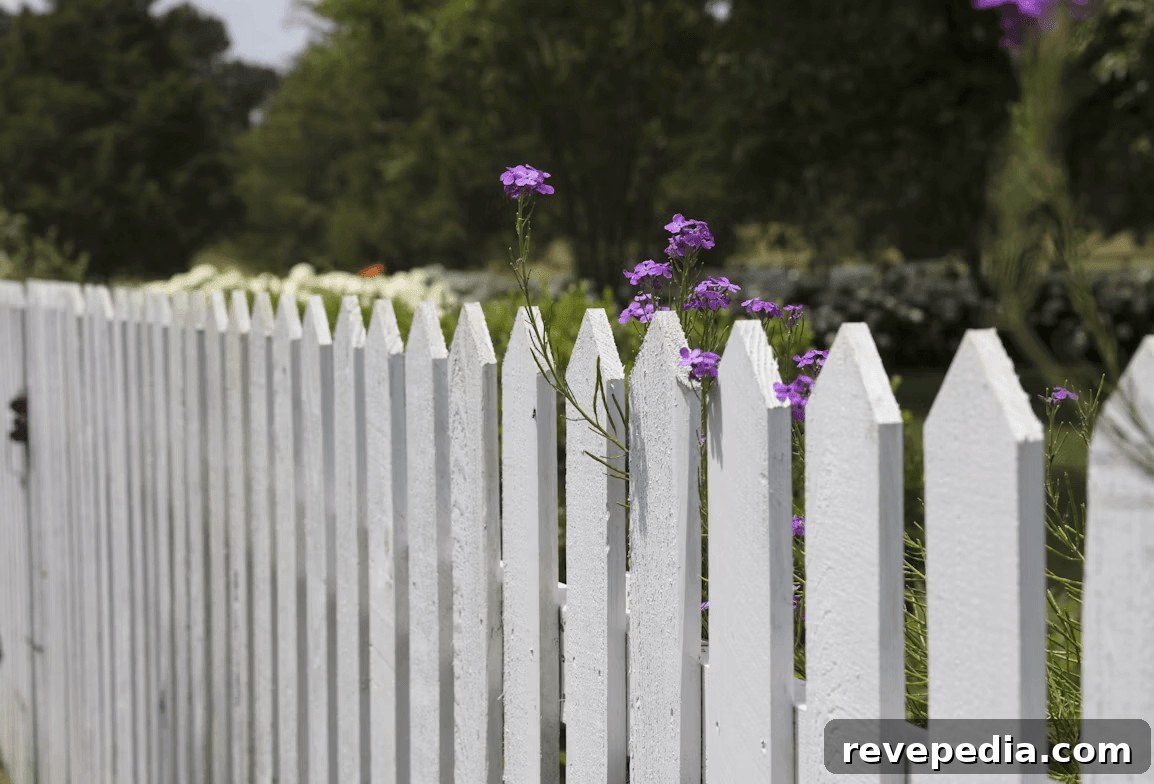
Fencing provides security, privacy, and curb appeal without necessarily breaking the budget. Homeowners searching for affordable fencing in 2026 commonly ask:
- What is the cheapest fence to install?
- What inexpensive fencing options are available?
- Which fences are most affordable for residential properties?
Knowing the different fence types, their installation costs, and long-term durability helps homeowners choose the best option for both budget and function.
Most Affordable Fence Options
1. Chain-Link Fencing
Chain-link fencing remains one of the least expensive choices for both residential and commercial properties.
Average cost: $8–$18 per linear foot (installed)
Pros:
- Low upfront cost
- Durable and low maintenance
- Fast installation
- Effective for security and marking property boundaries
Cons:
- Offers minimal privacy
- Less attractive than wood or vinyl
- May require rust prevention in humid or coastal areas
2. Wood Fencing
Basic wood styles, such as picket or stockade, can be affordable choices while providing a classic look.

Average cost: $10–$25 per linear foot (installed)
Pros:
- Offers moderate privacy and security
- Can be painted or stained to match your home
- Traditional and customizable appearance
Cons:
- Requires ongoing maintenance to prevent rot and weathering
- Vulnerable to insect damage if untreated
- Typically lasts 10–20 years depending on climate and care
3. Vinyl Fencing (Economy Options)
Vinyl has become more accessible, with budget-friendly models that offer durability and minimal upkeep.
Average cost: $15–$30 per linear foot (installed for basic models)
Pros:
- Long-lasting and low maintenance
- Resistant to rot, insects, and most weather conditions
- Easy to clean—usually just soap and water
Cons:
- Higher initial cost than chain-link or basic wood
- Fewer color and texture options on cheaper models
- Low-end vinyl can crack in extreme temperatures
4. Composite Fencing (Budget-Friendly Versions)
Composite fencing, made from recycled wood fibers and plastic, can provide a durable, low-maintenance alternative that mimics wood.
Average cost: $20–$35 per linear foot (installed for economy models)
Pros:
- Resistant to moisture and insect damage
- Low maintenance compared with wood
- Can resemble natural wood without the same upkeep
Cons:
- More expensive than chain-link or basic wood
- Budget models may offer limited color choices
- Heavier materials and more complex installation can raise labor costs
Factors That Affect Fence Costs
- Fence height – taller fences require more materials and labor and therefore cost more.
- Property terrain – slopes, uneven ground, and obstacles increase installation time and expense.
- Gate installation – adding gates, electronic openers, or locks raises the total cost.
- Material quality – even within one fence type, higher-grade materials cost more but generally last longer.
- Labor rates – regional differences in contractor rates influence final prices.
Tips for Saving Money on Fencing
- Choose standard panel sizes and common post spacings to reduce custom cutting and labor time.
- Get multiple quotes from local contractors to compare materials, labor, and warranties.
- Opt for chain-link or simple wood designs for the lowest upfront cost.
- Consider a DIY installation only if you have the skills, time, and the necessary tools—this can save labor costs but may increase risk of errors.
- Buy materials in bulk when possible to lower per-foot prices and reduce trips to the supplier.
Long-Term Considerations
While choosing a low-cost fence can reduce initial expenses, it’s important to weigh long-term durability, maintenance needs, and lifespan. A slightly higher investment up front can sometimes save money over the life of the fence.
| Fence Type | Lifespan | Maintenance |
| Chain-Link | 20–30 years | Occasional rust prevention and repairs |
| Wood | 10–20 years | Regular painting, staining, or sealing |
| Vinyl | 25–40 years | Minimal—periodic cleaning |
| Composite | 25–35 years | Low maintenance—occasional cleaning |
Choosing a fence with long-term performance in mind can be more economical overall than selecting solely by initial price.
Conclusion
Affordable fencing options for 2026 commonly include chain-link, basic wood, budget vinyl, and entry-level composite fences. The cheapest fence will depend on your priorities—security, privacy, appearance, or minimal maintenance.
By comparing material costs, installation factors, and long-term upkeep, homeowners can choose the most cost-effective fence that meets their property needs while staying within budget.