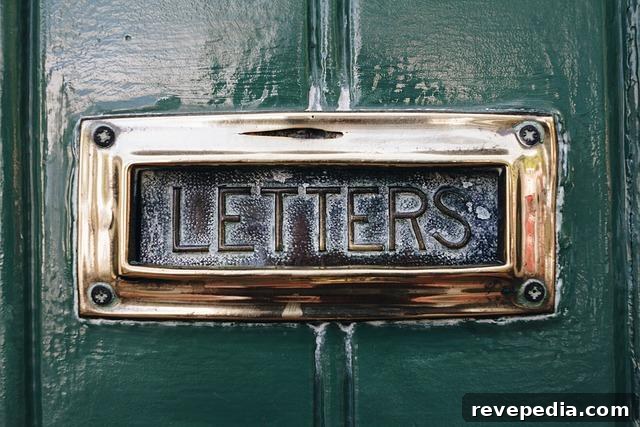
To be honest, most of us don’t spend much time thinking about our letterbox. It’s just there—collecting bills, catalogues and the occasional delivery notification—until something prompts an upgrade. If you already have a front fence, though, you might be sitting on a simple opportunity to streamline your street presence, free up space, and make daily life a little easier. A fence-mounted letterbox is one of those upgrades that seems small but can make a noticeable difference.
What Is a Fence-Mounted Letterbox?
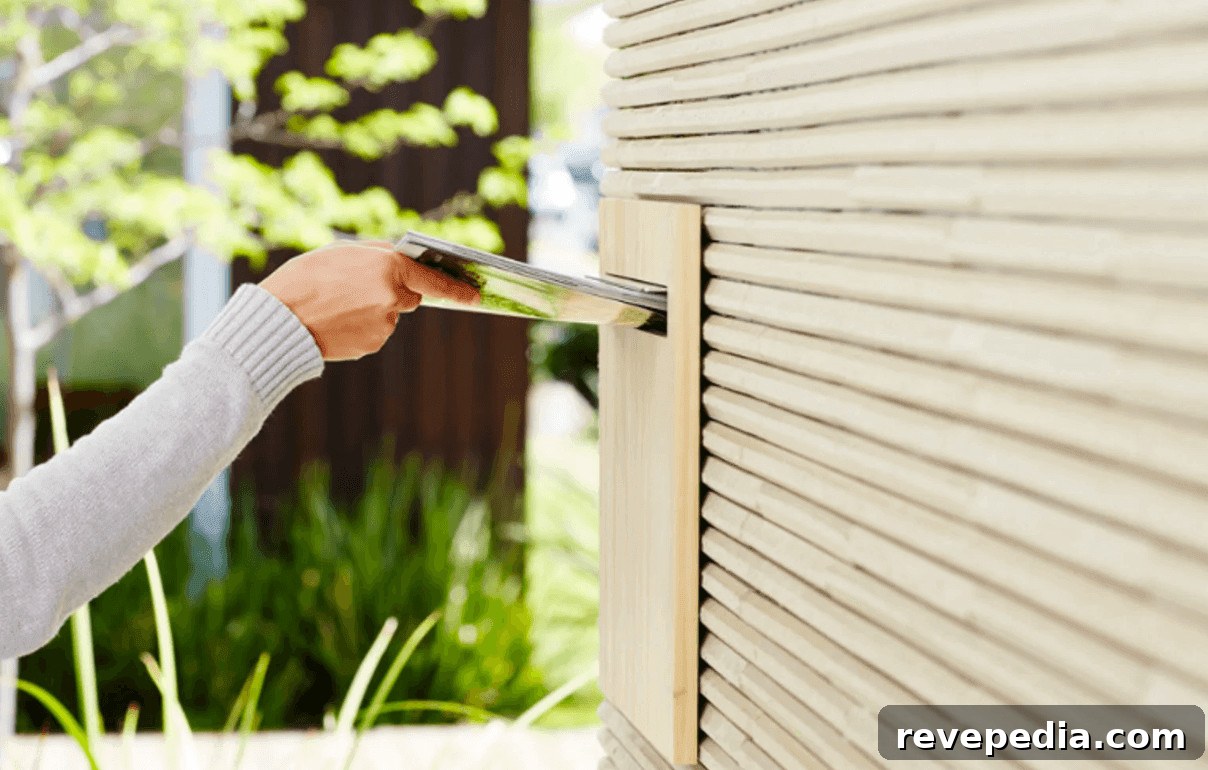
A fence-mounted letterbox is exactly what it sounds like: instead of a post-mounted box or a pillar-style letterbox positioned near your driveway, the mail slot and receptacle are built directly into your existing front fence. The unit sits flush with the fence line and looks integrated, not bolted-on or temporary.
This approach works with many fence types—timber pickets, brick walls, concrete panels, and even some metal or pool fence designs. Well-designed models typically hide fastenings and brackets so you get a clean, finished appearance instead of exposed hardware.
Why Choose a Fence-Mounted Letterbox?
There are a few compelling reasons homeowners pick fence-mounted letterboxes over traditional options.
Space efficiency: If your front yard is small or you prefer not to have a post protruding from the ground, integrating the letterbox into the fence removes the need for an extra structure. There’s no post to pour concrete for, no groundworks, and nothing that needs straightening over time.
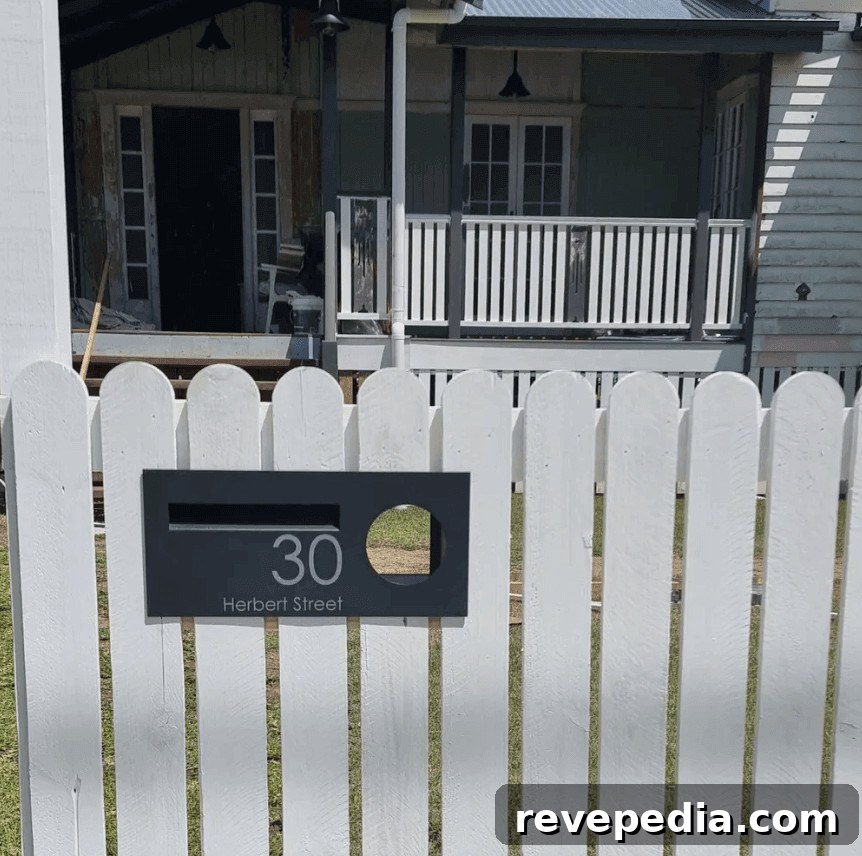
Improved aesthetics: A thoughtfully selected fence letterbox becomes part of the overall façade. Instead of looking like an afterthought bolted to a pole, the unit can complement the fence materials and the home’s style, giving the street-facing side a more intentional and cohesive appearance.
Practical placement: Mounting the mailbox on the fence situates it right at the property boundary where visitors and delivery drivers expect to find it. That reduces confusion and the chance of parcels being left in insecure or inconvenient places.
Front Opening or Rear Opening: Which Is Better?
Choosing between front-opening and rear-opening models matters and depends on how you use the mailbox.
Front-opening units are accessed from the street side. They’re straightforward and familiar to most people. Rear-opening models let you collect mail from inside the property, which many homeowners prefer for convenience and privacy. A rear access also improves security because it’s harder for someone to fish mail out from the street without entering your property.
Some designs offer both front and rear openings, which can be useful on narrow frontages where deliveries need easy street access but you still want the convenience of retrieving mail from inside your gate.
Handling Parcels
As online shopping grows, letterboxes that only accept envelopes are becoming less practical. Thankfully, many fence-mounted options now accommodate parcels.
Modern units often combine a slim mail slot for letters with a larger, lockable parcel compartment. This separation keeps letters tidy while securing packages out of sight. Other models are generously sized to accept bigger deliveries and are engineered for installation in either fencing or masonry, giving you flexibility depending on your frontage materials.
For households that receive frequent deliveries, having a secure compartment that keeps parcels protected until you get home is a significant convenience and reduces the risk of theft or weather damage.
Materials and Durability
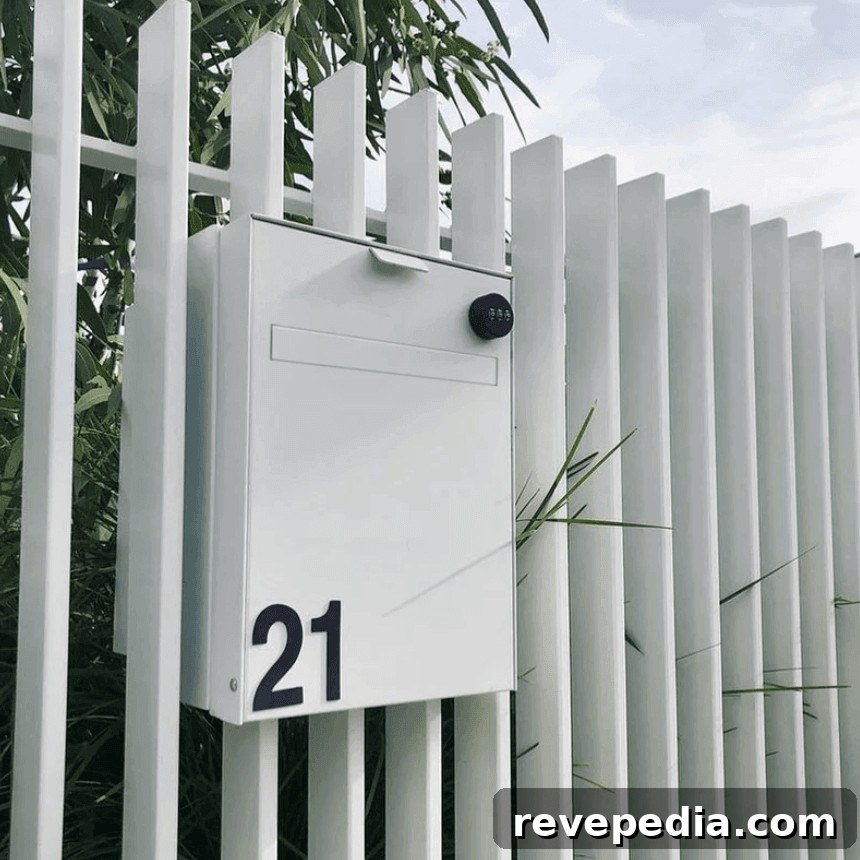
Because a letterbox is permanently exposed to the elements, choosing durable materials is important. Powder-coated galvanised steel is a reliable, cost-effective option: the galvanised layer helps prevent rust while the powder coating protects the finish and maintains colour over time. For coastal properties or locations subject to regular salt spray, stainless steel is a better long-term choice. Standard 304-grade stainless steel suits most suburban locations, whereas 316 marine-grade stainless is preferable in harsher, salty environments.
Pay attention to hinges, locks and seals too—these components determine how well the unit resists water ingress and how long it will function without maintenance.
Installation: What to Expect
Many quality fence-mounted letterboxes are designed for simple installation. Manufacturers often supply pre-assembled units with concealed mounting hardware and instructions. The typical DIY tasks involve measuring and cutting the appropriate opening in your fence, ensuring clearance for the door or parcel compartment, and securing the unit into place.
For most homeowners, it’s a weekend project. If you aren’t comfortable cutting into the fence or working at height, a handyman or local tradesperson can complete the installation quickly and ensure a neat finish.
Final Thoughts
A fence-mounted letterbox is one of those modest upgrades that delivers tangible benefits: it saves space, improves curb appeal, offers practical placement for deliveries, and can enhance security and convenience. If you already have a front fence, integrating your mail solution into that fence is often the most sensible option. Choose a model that suits your fence material, matches your home’s style, and provides the access and capacity you need—and you’ll gain a tidy, functional feature that looks like it was always part of the design.