Attic fans are one of those clever home improvements you may not notice until you lack one. In hot weather an attic fan can make a dramatic difference in indoor comfort and energy use. Having grown up in a house with an attic fan, I remember how much cooler the living spaces felt during the peak of summer.
If your home doesn’t already have an attic fan, the good news is: you can usually install one yourself. Before beginning, confirm you have an accessible attic and evaluate the ventilation requirements for your roof. A widely recommended guideline is to provide at least 1 square foot of vent area for every 300 square feet of attic floor space. Proper intake vents are essential so the fan can draw fresh air through the attic rather than creating negative pressure in the home.
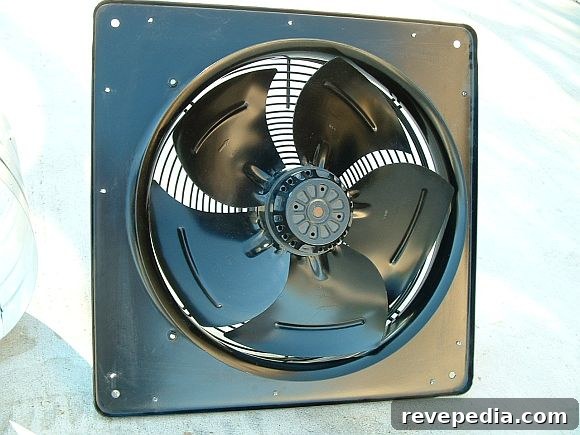
There are several types of attic fans to consider. Roof-mounted fans are installed directly through the roof, while gable-mounted fans attach to a gable wall. Gable-mount models are typically easier to install because they don’t require cutting into shingles or roofing materials. Choose a model sized appropriately for your attic’s square footage and ventilation layout.
Cost is another consideration. Many basic attic fan installations can be completed for roughly $100 in parts, though prices vary by model, electrical needs and whether you hire help. In addition to the fan itself, you may need plywood or framing material for mounting, shutter or louver assemblies, appropriate fasteners and electrical supplies.
Here’s a simplified overview of the installation steps to give you an idea of what to expect. For a full, detailed guide including safety tips and code considerations, consult a trusted step-by-step tutorial or a professional:
- Plan and measure: Confirm attic square footage, locate existing vents, and determine the best mounting location so the fan will effectively exhaust heat from the attic’s highest areas.
- Prepare a shutter or louver opening: Many installations begin by installing a shutter assembly or louvered vent that provides a clean opening and prevents backdrafts when the fan is off.
- Mount the fan: Affix the fan to a framing member or a piece of plywood cut to the proper size. For roof-mounted units, you may need to flash and seal the opening to prevent leaks. Gable-mount units install into the gable wall opening and are often simpler to weatherproof.
- Wire the fan: Electrical work may include running a dedicated circuit, installing a switch or thermostat/ humidistat, and connecting the fan to the electrical supply. If you’re uncomfortable with electrical work or local code requires it, hire a licensed electrician.
- Test and seal: Once wired and mounted, test the fan to ensure it runs correctly and that air flows as intended through intake vents. Seal any gaps around the mounting to prevent air and moisture infiltration.
Properly installed attic fans offer several benefits: they can reduce attic temperatures, which helps lower the cooling load on your HVAC system and can improve comfort in upper floors. Cooler attics may also reduce stress on roofing materials by lowering thermal extremes, which can extend the life of shingles and underlayment over time.
Before starting the project, review local building codes, ventilation requirements and safety precautions. If you have any doubts about roof work or electrical connections, hire a qualified contractor. With the right planning, tools and attention to ventilation details, adding an attic fan is a feasible home improvement that can pay back in comfort and energy savings.
Do you plan to install an attic fan, or do you already have one in your home?
Photo courtesy of savenrg.com