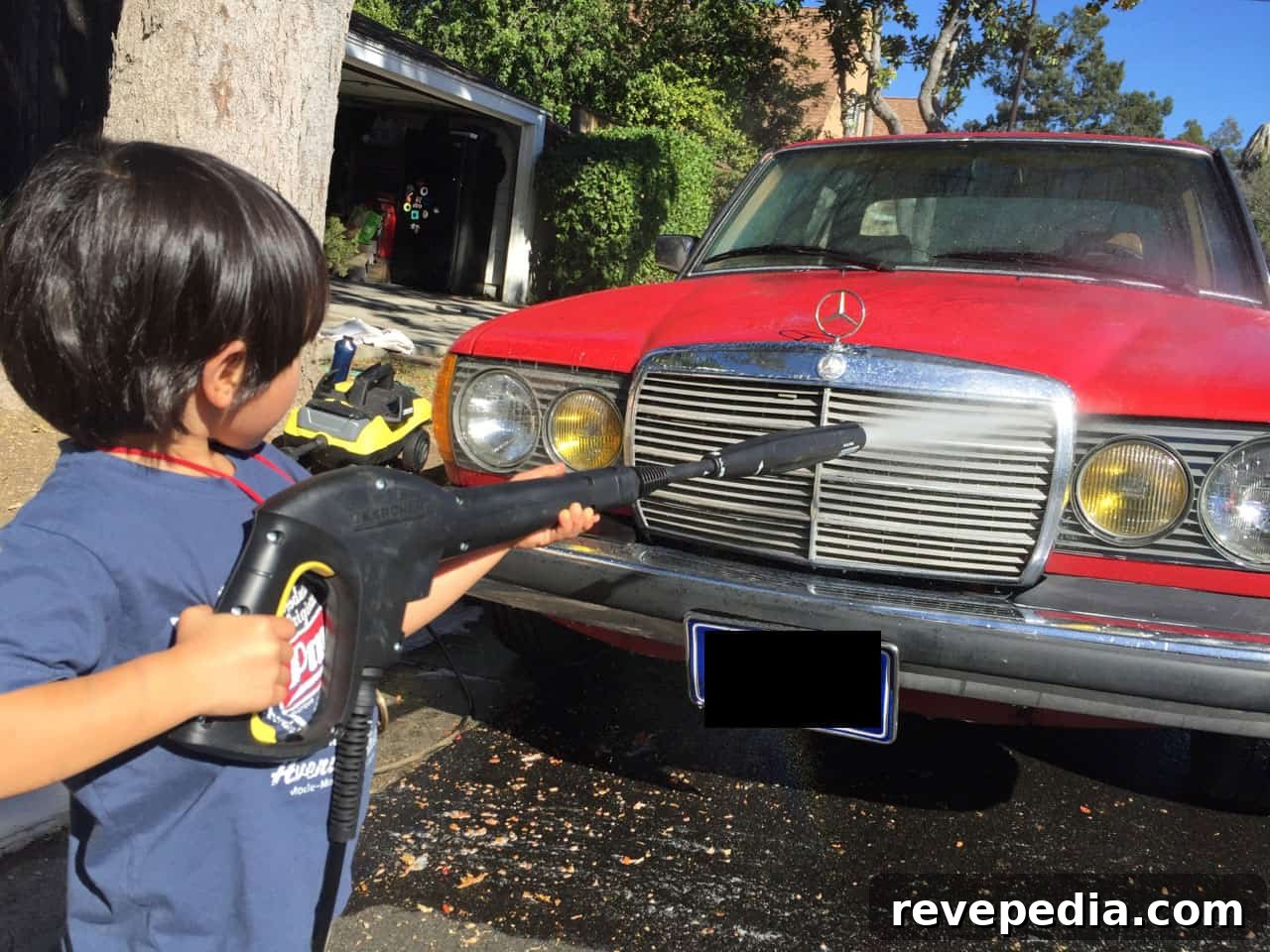
California is facing a severe, ongoing drought, and many residents are rethinking how they maintain their vehicles. If you need to wash your car during drought conditions, there are efficient, water-conscious methods that keep your vehicle clean without wasting thousands of gallons.
With El Niño failing to bring significant rain this season, many homeowners have turned off sprinklers and cut back on nonessential water use. That often includes fewer trips to automatic car washes or skipping washes for months. While delaying a wash can be practical, dirty vehicles transfer grime to clothing and gear and can wear on finishes if contaminants sit too long.
Traditional automatic car washes can be wasteful, dumping large volumes of water in a short time. Self-serve bays let you control the spray, but running out of coins or time can leave the job half done. A better option for many people is to adopt a low-water approach at home that balances cleanliness with conservation.
Investing in a pressure washer for home use is an effective way to clean a vehicle while using substantially less water than a running hose or many commercial washes. When using a pressure washer, choose a model and nozzle that allow lower-pressure settings so you won’t harm paint, trim, or seals. Keep the wand moving and maintain a safe distance from delicate areas.
To wash efficiently, assemble a small kit: a pressure washer (or a nozzle that reduces flow), a microfiber wash mitt or sponge, a bucket, dedicated car-washing soap, a wheel brush, tire cleaner, glass cleaner, and microfiber towels for drying. Having proper supplies makes the process quicker and reduces the temptation to overuse water. Local auto parts stores often stock these items, so you can compare products and buy what suits your needs.
A simple, water-wise washing routine:
– Pre-rinse with a low-flow pressure washer or water-efficient nozzle to remove loose dirt and grit.
– Apply car wash soap as a light spray or with a foam cannon if you have one; this helps lubricate the surface so you don’t scratch the paint while washing.
– Use a microfiber mitt or sponge and work from the top down, rinsing the mitt frequently in a bucket rather than under running water.
– Clean wheels and tires separately with an appropriate brush and cleaner; these areas often require more agitation but can be rinsed with the same low-volume setup.
– Final rinse with the pressure washer on a gentle setting to remove soap and loosened dirt.
Dry the vehicle immediately with clean microfiber towels to prevent water spots and streaks. Because many people wash less often during droughts, applying a coat of wax after drying is particularly useful: wax helps repel dirt, bird droppings, and road grime, extending the time between washes and protecting the paint.
Other water-saving tips:
– Wash in the shade or during cooler parts of the day to minimize spotting and reduce the need for extra rinses.
– Use a bucket with a grit guard to keep dirt off your mitt and avoid reintroducing abrasive particles to the paint.
– Consider waterless or rinseless wash products for light dirt—these are designed to clean with minimal water when the vehicle is only mildly soiled.
– Collect rinse water where allowed and use it for watering nonedible plants or other approved uses to avoid waste.
Adopting these practices lets you maintain a clean vehicle while conserving water. With the right tools, modest habits, and occasional waxing, you can protect your car’s finish and your clothing from grime without contributing to excessive water use during drought conditions.