Applying a fresh coat of paint, refinishing hardwood floors, or installing built-in shelves—these kinds of DIY tasks are easy to complete inside your home. But when a project moves outdoors, to your house’s exterior or the surrounding property, different rules often apply.
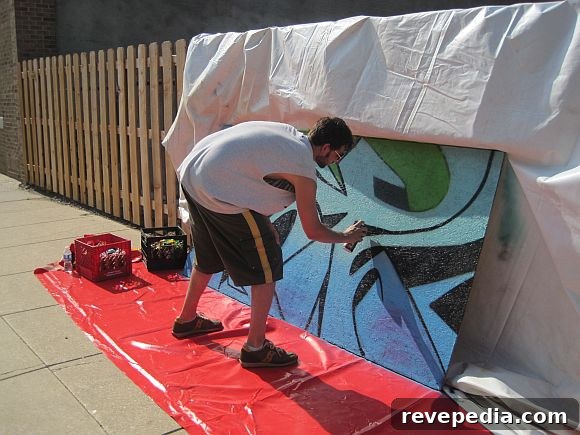
One Los Angeles homeowner discovered this the hard way. Barbara Black invited a local high school art class to cover what she described as an unsightly fence. The students used spray paint and other materials to create a street-art mural that transformed the space.
When the mural was completed, however, neighbors complained and the city became involved. Because the artists signed their work, local officials determined that the mural contained enough wording to be classified as a “sign” under city regulations. That classification triggered a separate set of rules, and those rules ultimately required Black to paint over the mural.
The takeaway: before starting an outdoor project—especially one that’s highly visible—research your municipality’s codes and regulations. What seems like harmless decoration can sometimes fall under sign, landmark, or zoning ordinances. Those rules can be unexpected or even outdated, but they still carry penalties or enforcement actions that can force you to remove or alter your work. Doing your homework in advance can save time, money, and frustration.
Have you encountered code or permitting issues with an outdoor project? Share your experiences in the comments—lessons learned from others can help fellow DIYers avoid similar problems.