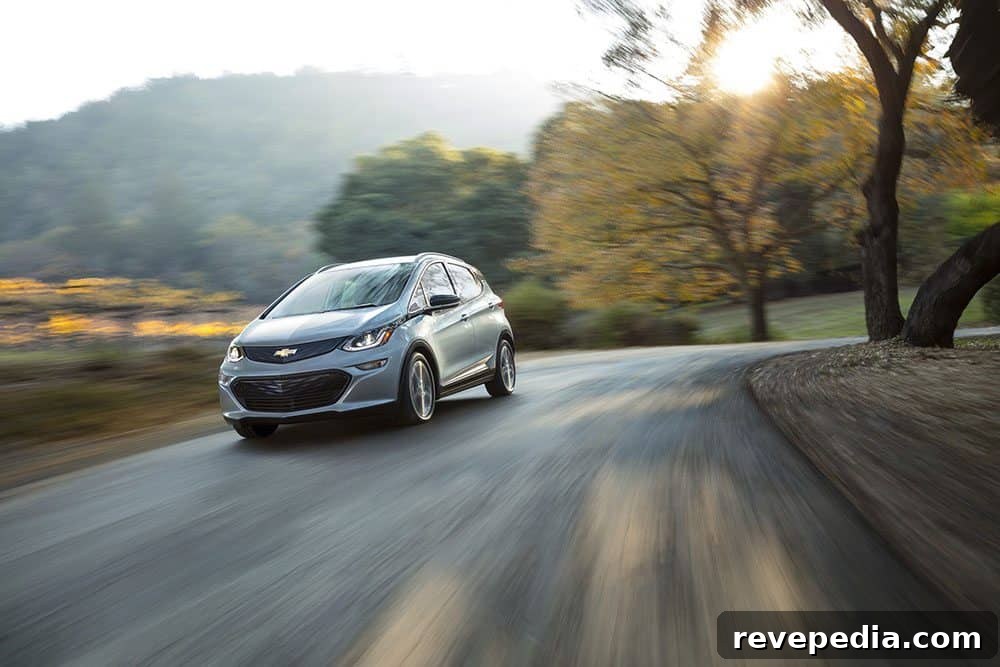
The Chevrolet Bolt EV stands out as one of the first mass-produced electric cars to offer more than 200 miles of range at a price near $30,000. After a weekend of driving it around San Francisco and through Napa Valley, it’s clear that Chevrolet built a compelling package. The Bolt competes comfortably with other compact cars in its price bracket and, in many areas—especially performance—comes out ahead.
For drivers new to electric vehicles, the Bolt delivers a revelatory experience. Acceleration is immediate and smooth, and the responsiveness makes everyday driving feel lively and enjoyable. The Bolt’s strong regenerative braking enables effective single-pedal driving: you lift off the accelerator to slow the car, reducing the need to use the mechanical brakes. That takes a little getting used to, but once mastered it’s difficult to go back to the traditional two-pedal routine. The result is less brake wear and better efficiency, which together help extend driving range.
The Bolt offers several charging options to suit different needs. Standard AC charging works well for daily use, and for those who plan longer trips, an upgraded DC fast-charging port is highly recommended. Fast charging makes road trips much more practical—you can stop for a meal and return to a significantly replenished battery, reducing downtime and increasing flexibility on longer journeys.
Despite its compact exterior dimensions, the Bolt feels surprisingly spacious inside. Front and rear passengers will find comfortable seating and good head- and legroom for a car in this class. The passenger and cargo areas are thoughtfully packaged, making the Bolt a strong candidate for a primary daily driver or a versatile second car. That said, cargo capacity is limited compared with larger hatchbacks or small SUVs, so families who regularly transport bulky items may find the space constraining.
Compared with plug-in hybrids like the Chevy Volt—which pair electric drive with a gasoline range extender—the Bolt’s all-electric architecture is simpler and focused solely on maximizing EV range and efficiency. Once drivers learn how to make the most of the Bolt’s 238-mile EPA-estimated range through mindful charging and regenerative braking, the need for gasoline rarely becomes a concern.
The market for all-electric small cars is expanding rapidly. Models like the Nissan Leaf, BMW i3, and Fiat 500e occupy similar price points, but the Bolt distinguishes itself with a longer real-world driving range and a more roomy interior. The upcoming Tesla Model 3 will bring strong competition as deliveries ramp up, yet the Bolt’s early availability and practical combination of range, space, and performance give it a meaningful head start. For eco-minded buyers, commuters, and anyone who values responsive handling and low running costs, the Bolt EV is an attractive, well-rounded choice.