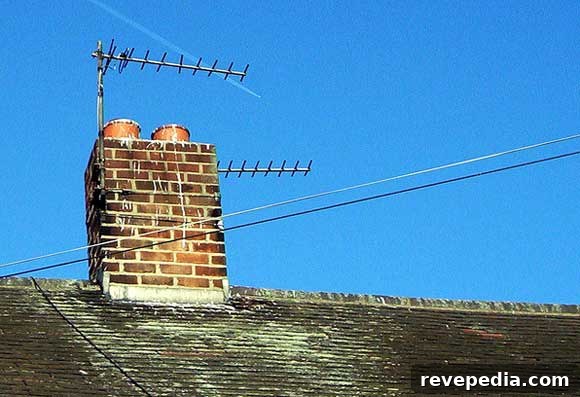
Fireplaces are sometimes criticized for contributing to indoor and outdoor pollution, heat loss, and safety concerns. Still, many people cherish the warmth, crackle, and aroma of a wood-burning fireplace. A common problem with these fireplaces is creosote buildup inside the chimney, which increases the risk of a chimney fire. Regular maintenance and proper burning practices are essential to keep your fireplace safe and efficient. Below is a clear, practical guide to cleaning a wood-burning chimney so it performs better and remains safer.
1. Remove fireplace components
Clear the firebox of all movable items—wood racks, decorative or fake logs, and leftover ash or unburned logs. Open the damper to allow access and ventilation while you work.
2. Seal the fireplace opening
Protect your living area from dust and soot by sealing the fireplace opening. Use a heavy-duty plastic sheet and strong tape to create a tight barrier around the hearth opening. This prevents ash and creosote dust from entering the room while you clean.
3. Prepare yourself
Wear proper protective gear. A fitted dust mask or respirator and close-fitting safety goggles are essential; standard glasses are not sufficient. Make sure the goggles seal well against your face to keep fine dust out of your eyes.
4. Remove external chimney components
If your chimney has a brush guard, bird guard, or cap that can be safely removed, take it off and set it on a stable surface. Work carefully on the roof to avoid slips or dislodging parts that could fall.
5. Brush the chimney
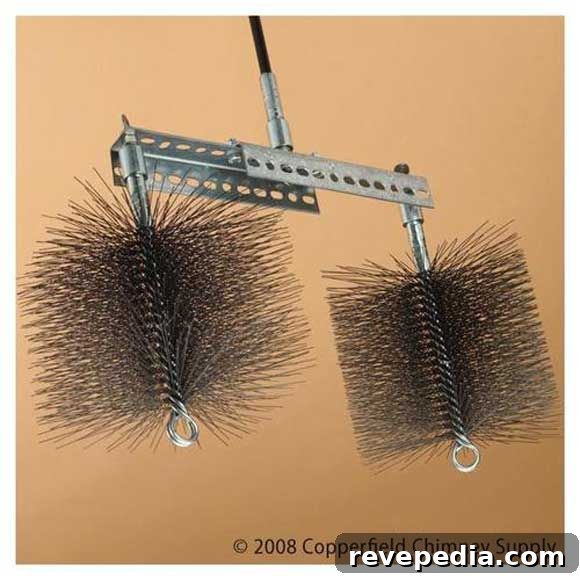
Use a chimney brush sized to match your flue. Start at the top, if you can access it safely, and work the brush down the length of the flue, scrubbing all four sides. If you must work from the firebox, push the brush upward in sections using extension rods to reach the full height. Thorough brushing loosens creosote and soot so it falls into the firebox for removal.
6. Replace external components
Once the flue has been brushed, reattach any chimney cap, bird guard, or other external components you removed. Secure them properly before descending from the roof.
7. Remove the fireplace cover
Allow at least an hour after brushing for dust to settle. Then carefully remove the plastic cover from the fireplace opening, peeling it back slowly to avoid knocking dust into the room.
8. Clean up the hearth
Use a shop vacuum with a HEPA-rated filter if possible to remove creosote flakes, soot, and ash from the firebox and hearth. Clean thoroughly around the damper area and ensure nothing is blocking its movement—operability of the damper is critical for safe use.
9. Reinstall fireplace components
Return the wood rack and any decorative elements to the fireplace. Make sure everything is positioned correctly and the damper functions freely. After cleaning, burn only dry, well-seasoned wood and maintain hot, efficient fires to reduce creosote buildup in the future.
Regular annual inspections and cleanings are the best defense against dangerous creosote accumulation and can help keep your fireplace safe, efficient, and enjoyable. Photo: W Albey