I’ve long been captivated by automotive design, so when the chance came to learn directly from the team at Calty Design Research, I eagerly accepted. Calty is Toyota’s in-house design studio and has shaped many of the brand’s most recognizable vehicles since the 1970s. Their portfolio includes influential models for both Toyota and Lexus, from the FJ Cruiser and Highlander to the redesigned 2021 Toyota Sienna. This experience offered a rare look into how a production vehicle begins as a concept and evolves into a full-scale clay model.
The workshop gave a clear sense of how methodical and collaborative automotive design is. Designers at Calty emphasize that concepting is as much about disciplined technique as it is about creativity. Every step — from initial thumbnail sketches to the final clay iteration — is purposeful and builds toward a cohesive final product.
Vehicle Sketching
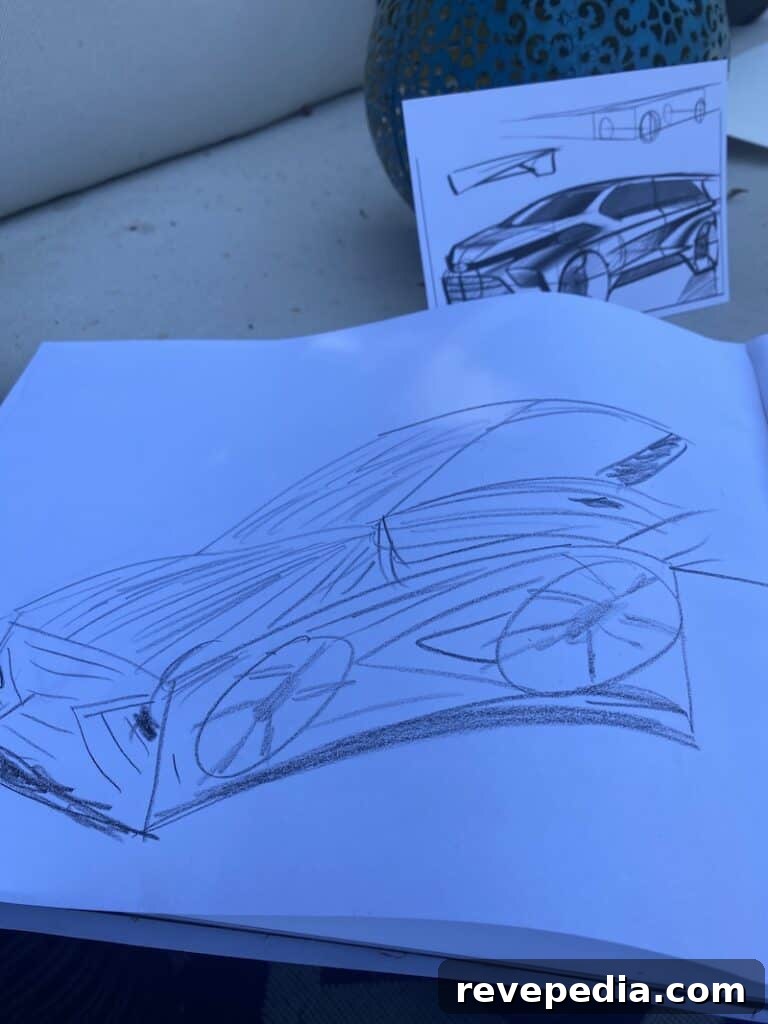
Drawing a vehicle felt intimidating at first, especially since I don’t consider myself an artist. Calty’s designers broke the process down into manageable stages. We began with simple perspective boxes to establish proportions and stance, then added the wheels, roofline, and primary surfaces. From there, details like character lines, glass surfaces, and lighting treatments were layered in.
Our brief was to take cues from the Toyota Sienna and reimagine its proportions and character. The teachers encouraged experimentation and stressed that no sketch is wasted: every iteration can inform a stronger final concept. Precision matters because sketches become the blueprint for the clay model; proportions and surface flows need to be clear so the sculptors can translate them accurately into three dimensions.
In a real studio environment, a team of artists would produce comprehensive drawings—front, rear, side, top, and interior sections—so surfaces are fully resolved from every angle. For the workshop we focused on exterior design from a single perspective to learn the fundamentals of proportion, silhouette, and surface language.
Clay Modeling
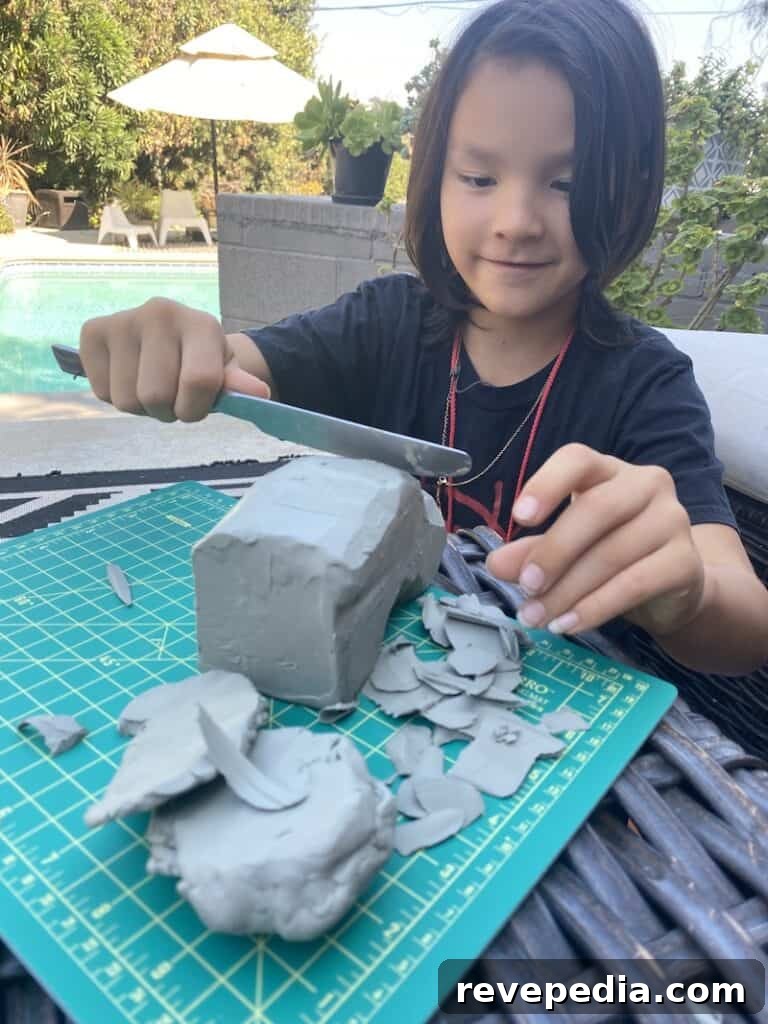
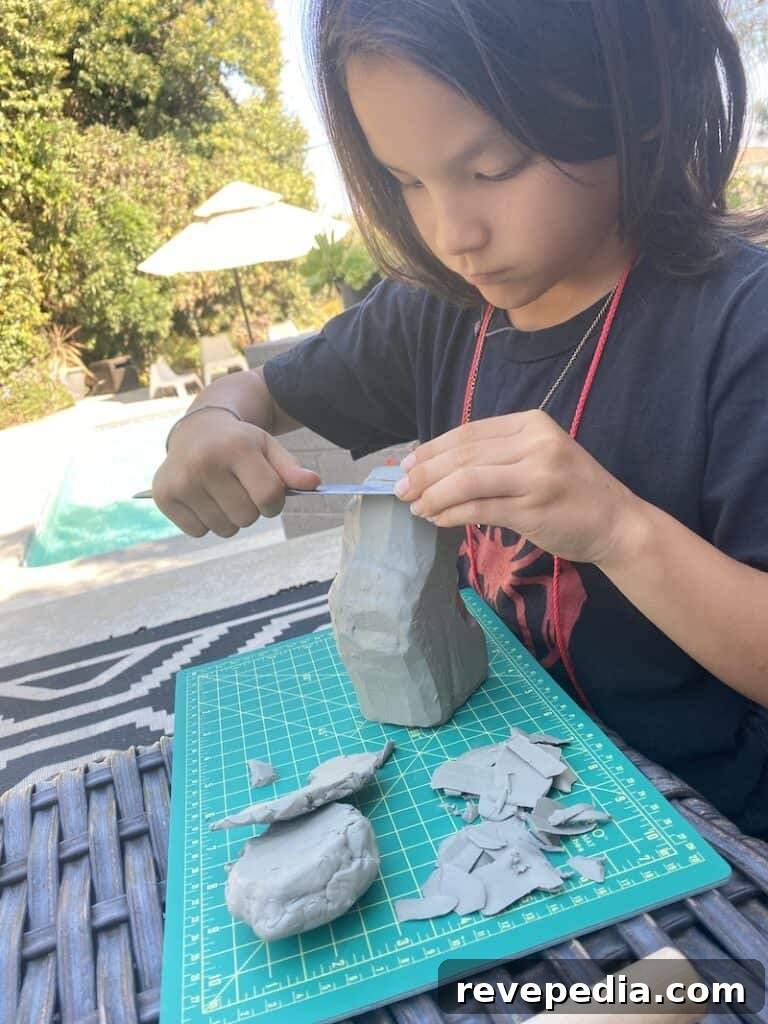
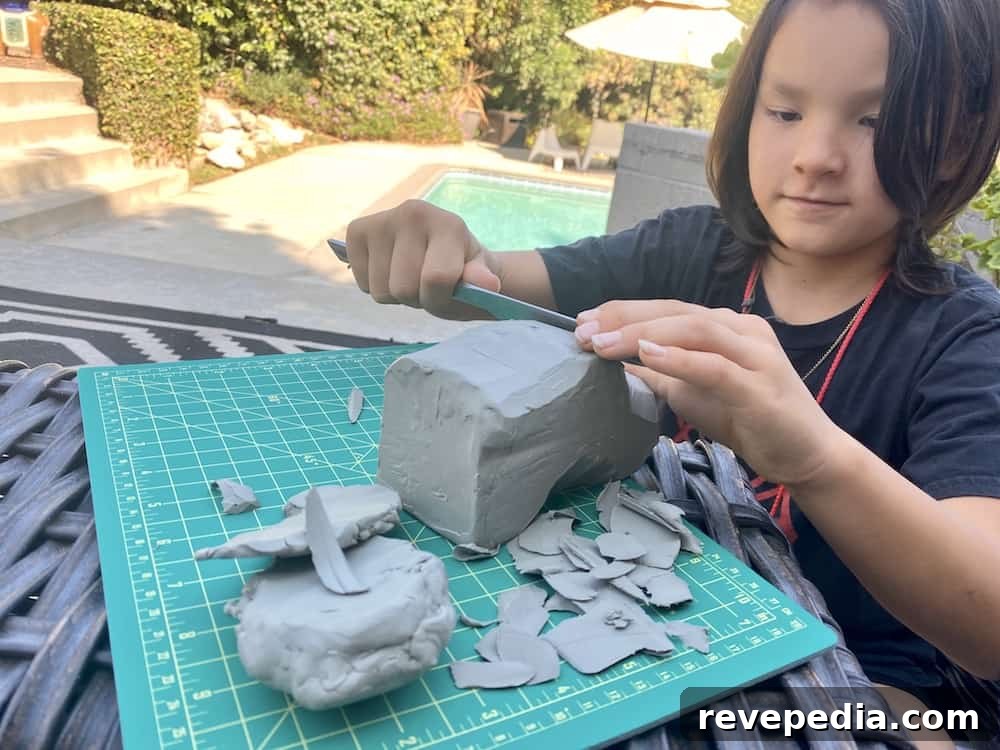
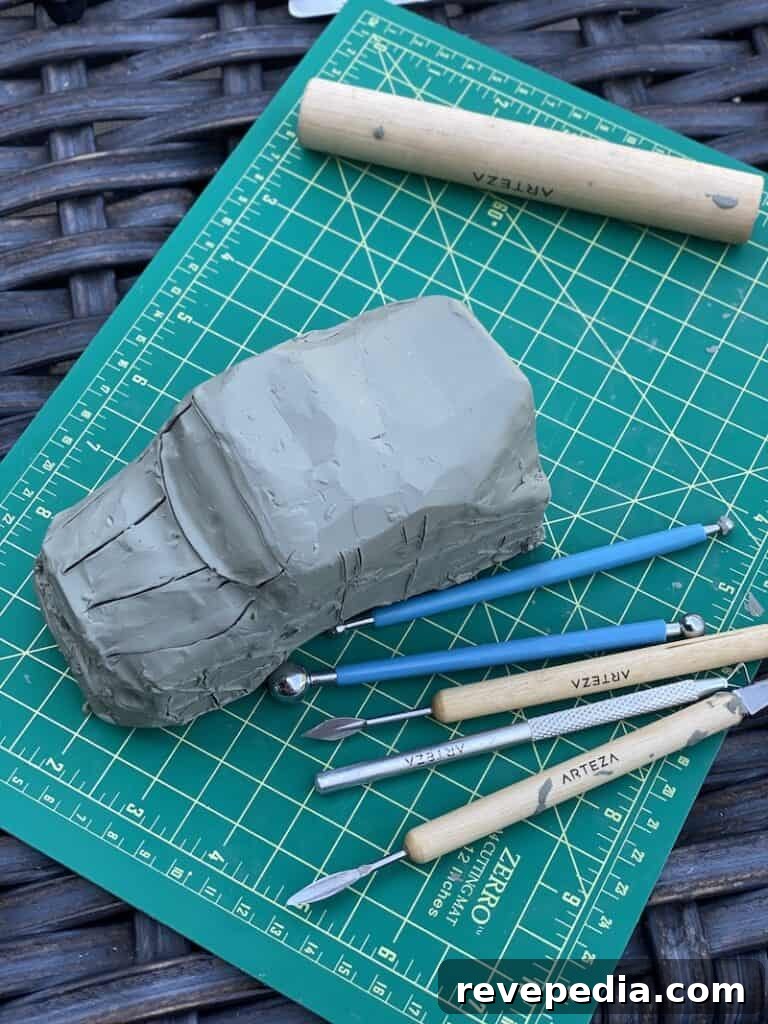
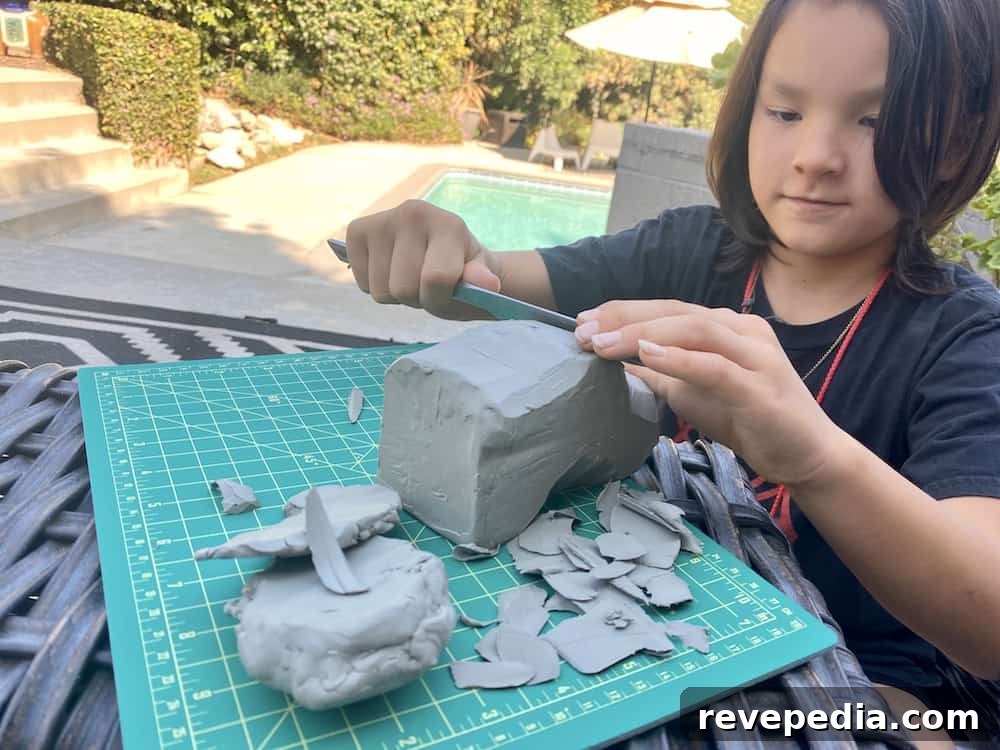
After settling on a sketch, we moved to clay modeling — the tactile phase where two-dimensional ideas become physical forms. This part of the process reminded me of playing with modeling clay as a child: molding, carving, and smoothing surfaces to test how light and shadow fall across the design. The workshop used industrial clay that starts out stiff; warming and working it makes shaping far easier.
Clay modeling is a unique craft. The Calty sculptors explained that while drawing can be taught in many places, the apprenticeship-style transfer of clay techniques happens mostly within studios. They’ve developed hand tools, smoothing methods, and a feel for surfaces that aren’t typically part of traditional art-school curricula. Watching them refine a surface or define a shoulder line was a lesson in subtlety—small adjustments can change the vehicle’s perceived weight and motion.
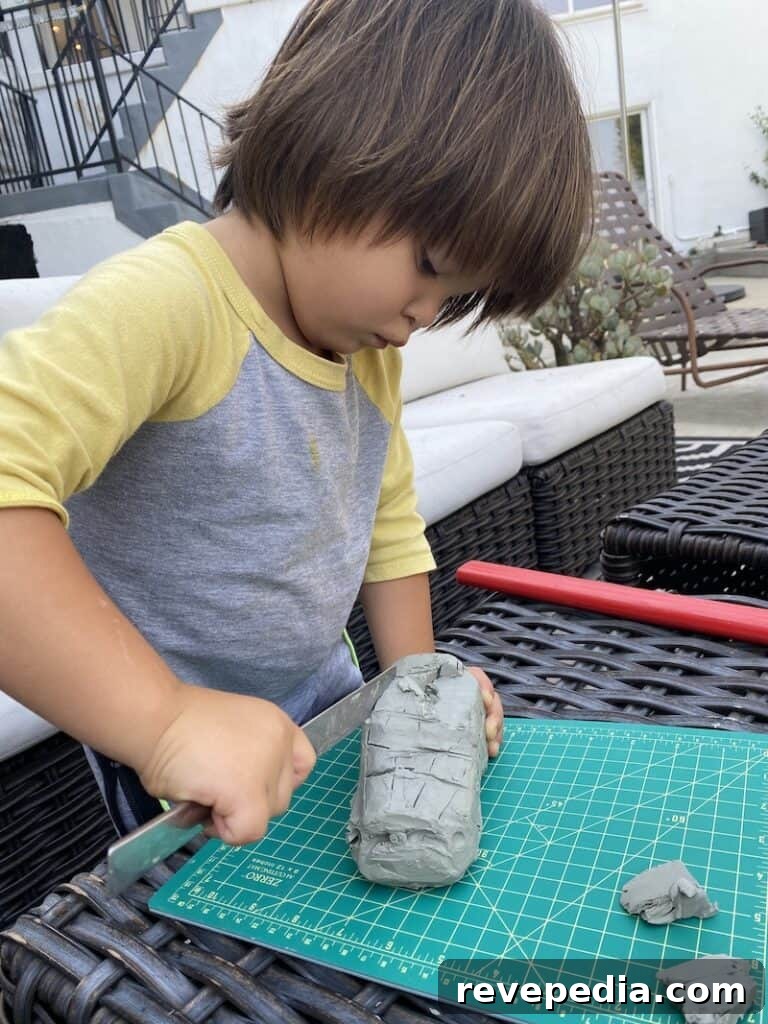
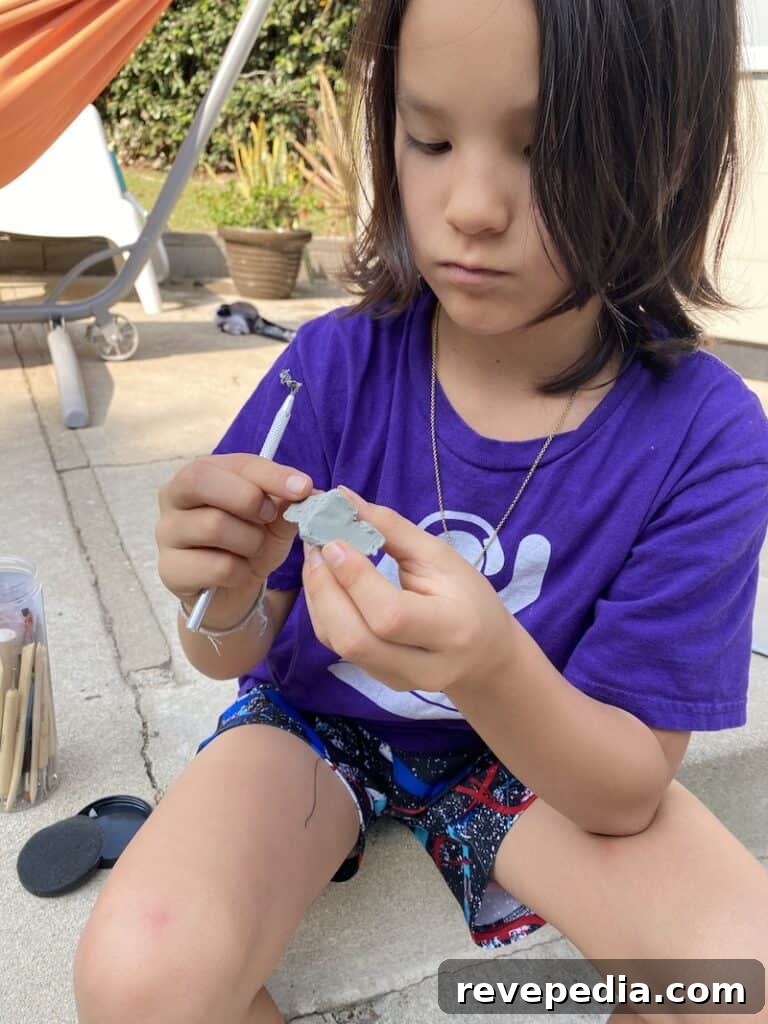
During the session my kids, curious about the process, joined in and began shaping their own contributions. It was a reminder that tactile work invites exploration and that creativity often emerges when people are allowed to experiment freely.
An important insight from the designers was how they find inspiration beyond the automotive world. Rather than looking at other cars for ideas, they study architecture, nature, and industrial design. Patterns in light, natural forms, and structural logic inform surface treatments and proportions. That cross-disciplinary approach helps create vehicles that feel both innovative and timeless.
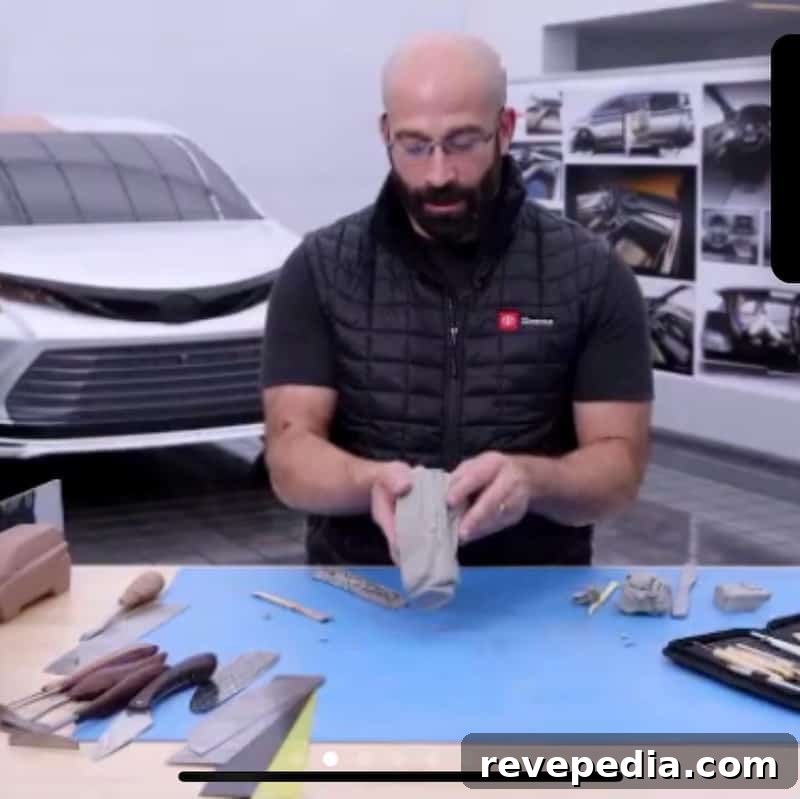
As the clay model progressed, it became clear how iterative the process is: designers refine, step back, photograph, and then refine again. Photographs and scale models help reveal proportions and reflections that the eye alone might miss. The final full-scale clay model is the studio’s way of validating design decisions before engineering and production begin.
Attending this workshop gave me a deeper respect for the craft of vehicle design and the many hands involved in turning an idea into a tangible object. Every surface decision, every line, and every contour represents choices made to balance aesthetics, functionality, and manufacturability. I’m grateful to Toyota and Calty Design for the opportunity to observe and participate in parts of this process firsthand.
Seeing a concept take shape in clay reinforced how design combines creativity with rigorous discipline. I look forward to spotting the new Toyota Sienna on the road and recognizing the kinds of design choices that begin long before a car reaches production.