Cleaning, Sanitizing, and Disinfecting: What’s the Difference?
Cleaning, sanitizing, and disinfecting are often used interchangeably, but each term refers to a distinct process. While they overlap in purpose—improving cleanliness and reducing the risk of illness—they differ in approach, intensity, and appropriate use. Understanding those differences helps you choose the right method for homes, schools, offices, restaurants, healthcare facilities, and public spaces.
This article clarifies what each process does, explains their key differences, and shows how they complement one another to maintain safe, healthy environments.
What Is Cleaning?
Cleaning is the physical removal of dirt, dust, debris, and visible impurities from surfaces. Methods include sweeping, wiping, washing, and vacuuming. Cleaning focuses on appearance and the removal of soils, but it does not reliably kill germs. Depending on needs, cleaning can be routine and surface-level or more thorough and deep.
Professional cleaning teams use commercial-grade tools and detergents to maintain floors, equipment, and high-touch surfaces, ensuring areas remain presentable and free of buildup that can harbor contaminants.
What Is Sanitizing?
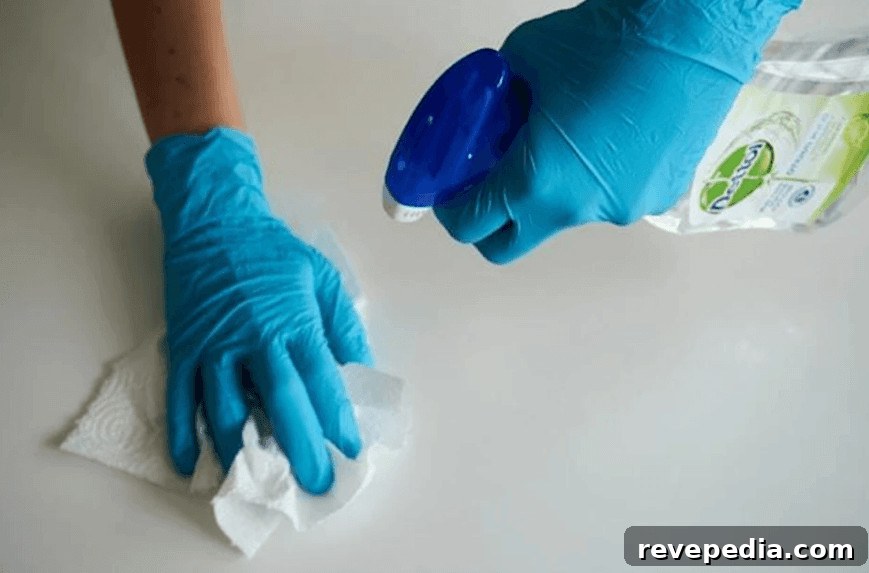
Sanitizing reduces the number of bacteria and germs on surfaces to levels considered safe by public health standards. It’s focused more on health and hygiene than on appearance, making it especially important in food preparation areas, kitchens, and other spaces where contamination risk is higher.
Sanitizers commonly include dilute bleach solutions, alcohol-based products, and EPA-registered formulations. The goal is to lower microbial loads to acceptable levels rather than to eliminate all organisms.
What Is Disinfecting?
Disinfecting uses stronger chemical agents to kill a wide range of pathogens, including many bacteria and viruses. Disinfection is typically more aggressive than sanitizing and is intended for high-risk or high-traffic areas where the potential for infection is greater.
Effective disinfection depends on using the right product and allowing the proper contact time—how long the surface must remain wet with the disinfectant to achieve the claimed level of kill. Because of these technical requirements, disinfection is usually best handled by trained professionals.
Key Differences Between Cleaning, Sanitizing, and Disinfecting
Although these three processes are related, they serve different purposes and are applied in different circumstances:
- Cleaning removes visible dirt and debris. It is an important first step because soils can interfere with sanitizers and disinfectants.
- Sanitizing reduces microorganisms to levels deemed safe for public health, commonly used on surfaces that contact food and in places requiring routine hygiene control.
- Disinfecting aims to kill a high percentage of pathogens—often advertised as up to 99.9%—and is essential for high-risk settings such as healthcare environments, medical equipment, and public restrooms.
In practice, cleaning is normally performed before sanitizing or disinfecting to remove soils that can reduce the effectiveness of chemical agents.
When to Sanitize vs. Disinfect
Use sanitizing for routine maintenance and for areas where food is handled, children play, or general hygiene is the primary concern. Sanitation is appropriate for regular cleaning schedules in homes, restaurants, and childcare settings.
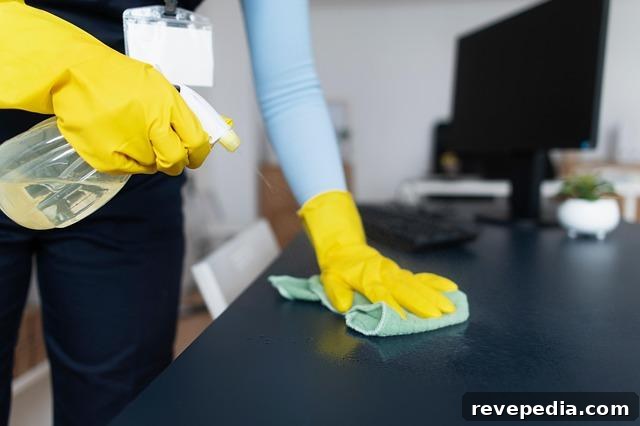
Disinfect when there has been an illness, outbreak, or when you are dealing with high-touch surfaces in shared spaces—such as restrooms, lobbies, and busy office areas. Disinfection should also be prioritized in healthcare settings and during times of elevated infection risk.
Common Mistakes to Avoid
Avoid these frequent errors whether cleaning, sanitizing, or disinfecting:
- Applying disinfectants to visibly dirty surfaces without cleaning first—soil can prevent the disinfectant from reaching microbes.
- Assuming every cleaning product is also a disinfectant—check labels and claims carefully.
- Using harsh chemicals improperly or ignoring label instructions, including dilution and contact time.
- Overusing aggressive chemicals when milder options would suffice, potentially causing harm to people, surfaces, and the environment.
Choosing the Right Products and Services
Selecting appropriate products and qualified services matters for achieving a hygienic environment. Consider these guidelines:
- Choose EPA-registered or otherwise certified products that specify efficacy against the pathogens of concern.
- Prioritize safety for occupants, sensitive equipment, and the environment by following label directions and using compatible products for each surface.
- Match products and methods to the setting—what works in a healthcare facility may be unnecessary or damaging in an office or home.
Many organizations rely on professional cleaning companies for routine and specialized services. When hiring a service, confirm their experience, certifications, and understanding of when to clean, sanitize, or disinfect to meet your needs.
Conclusion
Cleaning, sanitizing, and disinfecting each play a role in maintaining safe, healthy spaces. Clean first to remove soils, sanitize when lowering microbial levels is sufficient for safety, and disinfect when a higher level of pathogen control is required. Applying the right process in the right situation helps protect health, preserve surfaces, and maintain a hygienic environment.
A well-maintained space relies on the correct use of these methods and the right products—combined with proper procedures—to keep people and places safe.