When my husband and I bought our house, we imagined transforming it ourselves—fresh paint, small repairs, and a little elbow grease would make everything perfect. We had no renovation experience, but we were eager and optimistic.
What we didn’t anticipate were faulty plumbing systems, rotten plaster, a failing HVAC, hidden “repairs,” and both water and fire damage.
Three years after signing the mortgage, I want to share the mistakes we made in our first real DIY adventure so you can avoid wasting time, money, and stress on your own projects. Below are the biggest problems we encountered and practical ways to avoid them.
Getting In Over Your Head
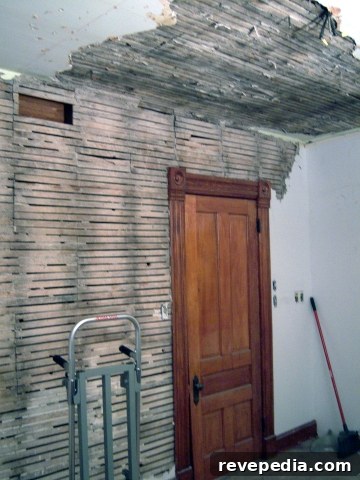
The photo above shows our dining room mid-demolition. Why were we tearing down plaster that seemed fine? Because on the other side of that wall was another room with plaster that had been rotting and covered with paneling glued directly to it.
Removing that paneling ruptured the compromised plaster, and the force of the removal began to crack and dislodge plaster on the other side. Sheets of plaster fell into our dining room. We were suddenly covered in dust and scrambling to buy drywall we couldn’t afford, so we lived with just slats for walls—for two years.
What started as a simple job turned into a major overhaul that cost us far more time, money, and stress than we expected, and it’s still a work in progress. It’s easy to get sucked into a project that reveals unseen problems and grows exponentially.
If we had acted more cautiously—inspecting hidden walls and anticipating structural issues—we could have avoided this large, expensive detour and kept resources for more urgent tasks, like re-flooring the room we planned to convert into a second nursery for our baby, due in eight weeks. Work intentionally and cautiously so you don’t end up with plaster and drywall on the floor and a project you can’t finish.
Not Researching Your Project Ahead of Time
My husband has a tendency to dive into projects headfirst with tools in hand, often without adequate research. That impatience has created extra work and preventable mistakes. Taking an afternoon to research materials, methods, and potential pitfalls has saved us enormous amounts of time and frustration.
No matter how confident you feel, double- and triple-check methods, measurements, and building codes. If more than one person is working on a job, communicate clearly about what’s been done and what’s next. Far too often we proceeded without checking with each other and ended up undoing work or creating new problems. Do your homework before you begin.
Assuming You Can Do Anything
I’m guilty of thinking that research alone makes me capable of any task. Watching videos and reading articles can be helpful, but it doesn’t replace experience or professional training. Some jobs—re-routing plumbing, major electrical work, or structural changes—should be left to licensed tradespeople unless you have proper training and supervision. Trying to tackle advanced systems on your own can lead to costly, dangerous mistakes. Know your limits and be honest about when to hire a pro.
Not Asking For Help
What looks like a simple task can quickly become overwhelming—or require more hands than you expected. Don’t be afraid to ask for help from friends, family, or contractors. Even a single experienced helper can speed up a job and avoid mistakes.
When we needed to drywall a room, a handyman worked with my husband for a day. A task that would have taken us a week was completed in hours because a professional’s experience and an extra pair of hands made all the difference. There’s no shame in asking for help when it saves time and prevents wasted effort.
Not Budgeting Money or Time
I’ve often assumed the money would appear when we needed it, and I’ve bought materials slowly over time. That approach is inefficient and risky. Renovation costs frequently exceed initial estimates, and without a clear budget and timeline you may spend more than hiring a professional would have cost.
After you research the project and consult a professional if possible, set a realistic budget that includes materials, tools, and labor. Also establish a timeline and be generous with both money and time estimates to provide a buffer for unexpected issues. If your budget or schedule is tight, be prepared to prioritize or work intensely when resources run low.
Letting Go
Not everything will go according to plan. Obstacles will arise, budgets will be strained, schedules will slip, and mistakes will happen. You need to accept that compromises are part of the process. For a perfectionist, learning to let go was one of the hardest lessons, but it saved my sanity, my marriage, and our bank account.
The goal of DIY renovation is to create something you can be proud of. If you can reach that goal with minimal damage and reasonable effort, you’ve earned valuable experience. Even if the result isn’t flawless, surviving the challenges of DIY makes you a better, more realistic do-it-yourselfer.