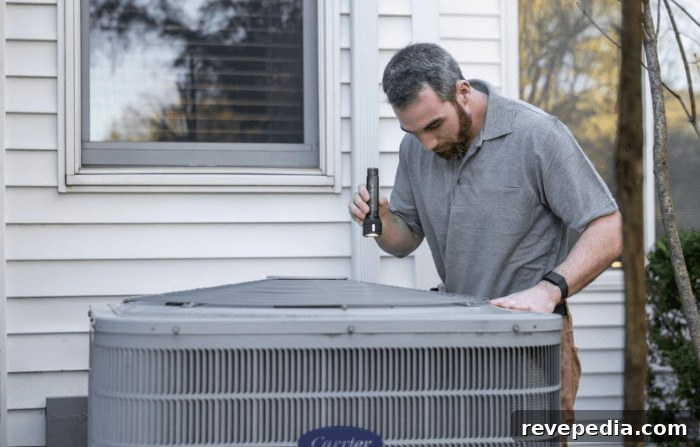
Keeping your home cool during hot weather is a top priority, but sometimes HVAC systems struggle to meet demand. Unusual noises, weak airflow, ice on components, or unexpectedly high energy bills are common signs that something’s wrong. Addressing these issues early prevents larger, more costly failures and restores comfort more quickly.
Understanding the typical problems HVAC systems face helps homeowners recognize symptoms and take appropriate action before a minor issue becomes a major repair.
Clogged Air Filters: Restricted Airflow and Higher Bills
Air filters remove dust and particles to keep indoor air clean. When filters become clogged, the HVAC system must work harder to push air through, which reduces efficiency and raises electricity costs. Poor airflow also reduces cooling performance and increases wear on components.
Regular maintenance and timely filter changes are simple, cost-effective ways to avoid these problems. Replacing a common disposable filter monthly during periods of heavy use — or following manufacturer recommendations — significantly improves energy efficiency and extends equipment life. If you’re unsure which filter size or type to use, a qualified technician can recommend the right option for your system.
Refrigerant Leaks: Units That Run Constantly
Low refrigerant prevents the system from absorbing heat effectively, so air flowing from the vents may feel only lukewarm. The unit will run continuously trying to reach the set temperature, which accelerates wear on motors, compressors, and other moving parts.
Repairing a refrigerant leak requires specialized tools and training. Simply adding refrigerant without fixing the leak is a temporary fix that leads to repeat service calls. A certified technician should locate and repair the leak, then recharge the system to the correct refrigerant level so the unit can operate efficiently and reliably.
Frozen Evaporator Coils Caused by Poor Air Movement
The evaporator coil needs consistent airflow to evaporate condensation. If airflow is restricted, condensation can freeze, forming ice on the coil. Once frozen, the coil can’t absorb heat, and the cooling process stalls. As the unit cycles off and on, melting ice can cause water to pool around the indoor unit.
Common causes include blocked or closed vents, dirty return grilles, or a heavily soiled coil. Basic checks like ensuring all vents are open and unobstructed are a good first step. Cleaning coils and addressing airflow restrictions is best handled by a professional to avoid damaging delicate components.
Thermostat Placement: Avoid Heat Sources and Direct Sunlight
The thermostat acts as the system’s control center. If mounted in direct sunlight or near heat-producing appliances, it senses a higher temperature than most rooms experience. That false reading causes the system to run longer than necessary, leaving other areas cooler than needed and wasting energy.
Placing the thermostat in a central, shaded location away from windows, lamps, and kitchen heat sources ensures more accurate temperature readings and more balanced cooling cycles. If relocation isn’t practical, a smart thermostat with remote sensors can help by averaging temperatures from multiple locations.
Drain Line Blockages That Trigger Safety Shutoffs
Air conditioners remove significant humidity from indoor air. The condensate collects in a drain pan and exits through a narrow line. Over time, algae and debris can build up inside this moist environment and form a clog. When the condensate can’t drain, many systems include a float or safety switch that shuts the unit down to prevent overflow and water damage.
Clearing the drain line restores proper drainage. Preventive steps include periodically flushing the line with a small amount of vinegar or a manufacturer-recommended cleaner to discourage algae growth. Routine inspections during seasonal maintenance catch blockages before they lead to shutdowns or leaks.
When to Consider Upgrading to a More Efficient System
If your HVAC system experiences frequent breakdowns or struggles despite regular maintenance, replacing the unit can be the most cost-effective long-term choice. Modern systems, including heat pumps, offer improved efficiency and can provide both heating and cooling in a single unit. Newer equipment often delivers more consistent indoor comfort with lower energy consumption.
Consulting with a qualified heating and cooling professional helps determine whether repair or replacement makes the most sense based on system age, repair history, energy costs, and your comfort needs. When upgrades are appropriate, properly sized and installed equipment will reduce operating costs and provide reliable performance year-round.