
The brand name on a garage door tells you far less than the door’s construction, insulation, hardware, and warranty. Two doors from different manufacturers can look identical in a showroom yet perform very differently once installed. Comparing garage door brands by their spec sheets and installation details will get you to the right choice far faster than comparing logos.
Why Brand Rankings Only Take You So Far
Major manufacturers—Clopay, Amarr, CHI, Wayne Dalton and others—each make a range of products, from basic single-layer steel panels up to premium, fully insulated, multi-layer doors. A company’s entry-level model and its top-tier model can differ dramatically in durability, energy performance, and noise. That means a brand-by-brand ranking is a useful starting point but a poor substitute for inspecting the specifications of the exact models you are considering.
If you want an overview of well-known manufacturers, review comparison guides and dealer resources, then use the spec details that follow to evaluate the specific products each company offers.
The Specs That Matter When Comparing Garage Doors
1. Construction. Garage doors are commonly built in three basic styles:
- Single-layer steel: a single sheet of steel with no insulation. These doors are lightweight and economical but dent easily and provide minimal thermal performance.
- Double-layer: steel with an attached insulation layer, typically polystyrene. These offer improved strength and better thermal performance than single-layer doors.
- Triple-layer: steel skins on both sides with insulating material sandwiched between. These are usually the stiffest, quietest, and best-performing panels for energy efficiency and durability.
Steel is not the only option: wood, engineered wood composite, aluminum with glass, and fiberglass are also common. Each material has different trade-offs in weight, maintenance, and appearance. For non-steel doors, ask the dealer for the same construction and insulation details described here.
2. Steel gauge. The lower the gauge number, the thicker the steel. Thicker steel resists dents and warping better and improves the door’s longevity, though it increases weight and may require stronger hardware.
3. Insulation value. Many doors list an R-value; higher R-values indicate better resistance to heat flow. Because manufacturers sometimes measure R-value differently, look for the testing method or an assembly rating rather than relying only on the headline number. Insulation matters most when your garage is attached to the house, used as a workshop, or climate-controlled.
4. Insulation type. Polyurethane foam tends to deliver higher R-values per inch and bonds more fully to the steel skins, adding panel rigidity. Polystyrene panels are widely used as an economical option and provide reasonable insulation but less structural stiffness than foam-filled panels.
5. Hardware. Springs, hinges, rollers, and tracks are the workhorses of any door. Check the spring cycle rating—the expected number of open/close cycles before replacement. Higher cycle ratings generally indicate longer service life. Also ask about roller construction: rollers with sealed ball bearings typically operate more quietly and last longer than basic nylon or unsealed types.
6. Weatherstripping and seals. Quality seals at the bottom, sides, and top keep out pests, drafts, dust, and water, and they reduce energy loss. Look for flexible bottom seals and compression seals around the jambs and head that hold up to repeated use and temperature swings.
7. Finish and color. Baked-on finishes and factory-applied coatings resist fading, chipping, and corrosion better than simple paints. In sunny climates, lighter colors reflect heat and tend to show less fading than darker tones. Ask about UV resistance and whether the finish includes a warranty for fading.
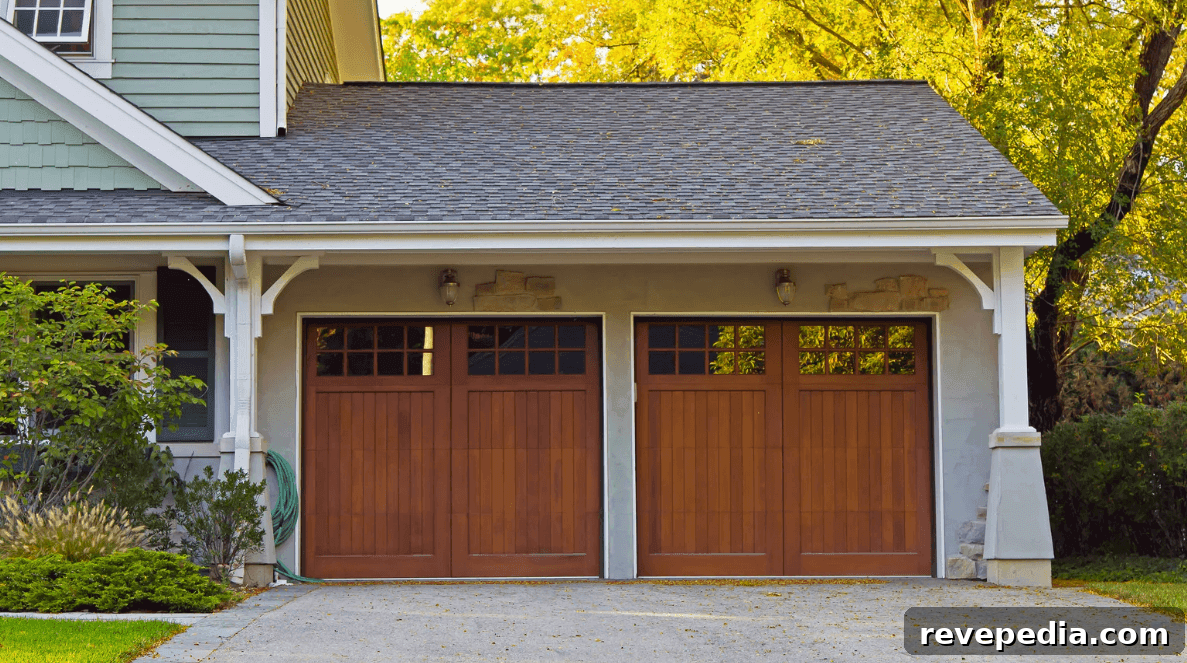
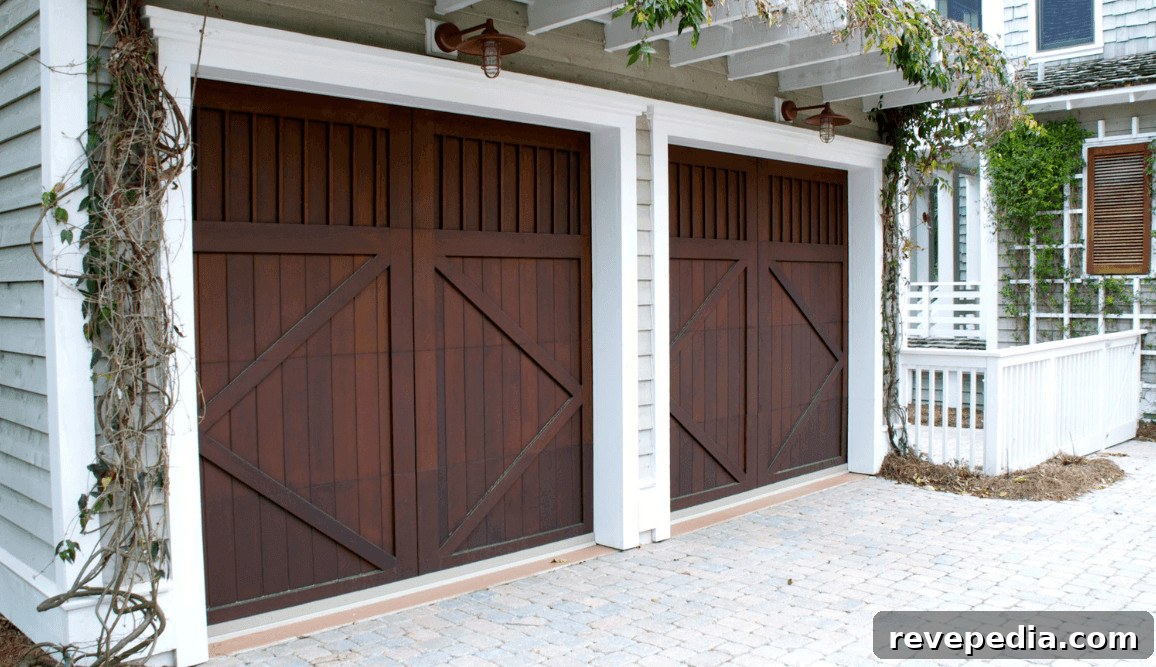
Style is often the first factor homeowners notice. Most major lines offer raised-panel, flush, and carriage-house designs with window options and multiple colors. Choose the look you want only after you confirm the construction and insulation meet your practical needs.
8. Wind load rating. In regions prone to strong storms or hurricanes, verify that the door has a wind load rating that meets local building codes. Reinforced sections, stronger hardware, and reinforced jambs can make a major difference in storm-prone areas.
9. Warranty. Compare coverage for panels, finish, hardware, and labor. A long manufacturer warranty on paper may exclude the parts that fail first, so read the fine print and understand whether the installer or the manufacturer handles warranty repairs.
Spec-Sheet Traps to Watch For
- Prominent R-values on thin panels—confirm whether the number refers to the foam core alone or the assembled door.
- The word “insulated” without details—thin foam liners and thick, foam-filled panels both qualify as insulated, but they perform very differently.
- Warranties that explicitly exclude finish fading in sunny climates—this is where fading occurs fastest and homeowners notice it most.
- Photos instead of cross-sections—request a cutaway sample or a detailed cross-section to see the actual layers and thicknesses.
Questions to Ask a Dealer
- Which specific model line are you recommending, and why is it suited to my situation?
- What is the panel construction and insulation type?
- What are the steel gauge and reported R-value, and how were they measured?
- What is the spring cycle rating and the expected life of rollers and bearings?
- What exactly does the warranty cover, and for how long for panels, finish, hardware, and labor?
- Who provides warranty service locally—the manufacturer or the dealer/installer?
Consider Local Climate
Climate should shape your priorities. In hot, sunny areas prioritize insulation, reflective finishes, and fade-resistant coatings. In hail-prone or high-wind regions, focus on dent resistance and wind load ratings. In cold climates, check that seals and recommended lubricants perform reliably in low temperatures so you don’t face frozen tracks or brittle seals.
Service and Support Matter as Much as the Brand
The long-term performance of a garage door depends as much on local service and installation as on the manufacturer. Choose a brand your local installer knows well and stocks parts for. Widely distributed lines typically make replacement panels and hardware easier to obtain, and an experienced installer will both install the door correctly and troubleshoot problems quickly.
A Simple Process for Choosing Between Brands and Models
Price generally follows the model and construction level more than the brand name. Basic single-layer steel doors are the most economical; insulated and custom doors cost more. Always request an installed price that includes removal of the old door, hardware, and opener adjustments so you can compare full costs rather than base door prices alone.
- Decide your priorities: budget, noise level, insulation, durability, or style.
- Choose the construction level that best matches those priorities.
- Compare spec sheets for two or three comparable models across different brands.
- Ask specific questions about warranties and local service availability.
- Choose the model first based on specs, then select the brand and installer you trust to support it.
The Bottom Line
The best brand for your home is the one whose specific model matches your needs and is backed by a local installer who will stand behind the product. Read spec sheets carefully, ask direct questions about materials and service, and don’t let a logo be the deciding factor.