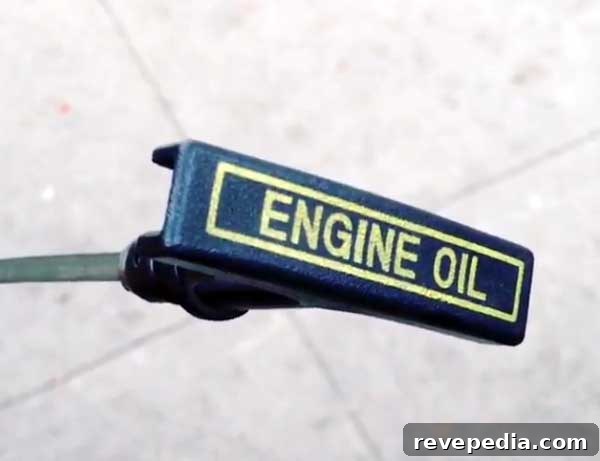
I still change my own oil. With quick lube shops on nearly every corner, it might seem old-fashioned, but I prefer to do it myself. Having someone else work under my hood can be unsettling — you never really know what they’re doing, and I’ve had a shop “bump” something that later fried my battery and starter. Changing my oil gives me peace of mind, a sense of accomplishment, and it’s enjoyable to get my hands dirty every few months.
Changing your own oil is straightforward for nearly any vehicle. What varies is the oil weight (follow the manufacturer’s recommendation), the oil type (conventional, synthetic, or a blend), and the correct oil filter.
My truck takes 6 quarts of 5W-20. I’ve run full synthetic since I bought it at 100,000 miles and, knock on wood, haven’t had leaks or excessive oil consumption. I typically use Royal Purple synthetic oil — it costs a little more but offers good performance. Choosing the right filter is equally important; you should replace the filter every time you change your oil. Purolator PureOne filters are a solid choice for full synthetic oil. They’re designed for excellent filtration and user-friendly installation. Purolator has been manufacturing and distributing filters since 1923, and their PureOne line is built with features that help both DIYers and professionals.
Instead of a long step-by-step video tutorial (many of those are available online), I made a short Instagram clip demonstrating the basic process.
Below are the essential steps for changing your engine oil and oil filter. Follow manufacturer recommendations for oil type and capacity, and always prioritize safety.
1. Support the vehicle safely
Not every car requires jack stands, but they provide extra room and safety. Never rely solely on a jack; always use properly rated jack stands on a level surface and set the parking brake before working under the vehicle.
2. Drain the oil
Some people warm the engine briefly to help the oil flow, but be cautious to avoid burns. Place a drain pan under the oil pan, remove the drain plug, and let the oil drain completely. When finished, reinstall and tighten the drain plug to the specified torque.
3. Remove the old oil filter
An oil filter wrench or clamp may be needed. Keep the filter upright when removing it to avoid spills. Drain the filter into your oil pan and set the old filter aside for proper disposal.
4. Install the new oil filter
Before installing, lubricate the new filter’s rubber gasket with a light coating of fresh oil to ensure a good seal and make future removal easier. Many modern filters, like the Purolator PureOne, have a textured grip to help with hand tightening. Tighten by hand — do not over-tighten.
5. Refill with fresh oil
Use a clean funnel to pour the correct quantity and type of oil into the engine. Replace the oil filler cap securely when finished.
6. Check the oil level and inspect for leaks
Start the engine and let it run briefly, then turn it off and wait a few minutes for the oil to settle. Check the dipstick and add oil if necessary to reach the proper level. Inspect under the vehicle and around the drain plug and filter for any signs of leaks.
Record the mileage and the date of the oil change so you can track service intervals. Changing your own oil can save money, give you confidence in your vehicle’s maintenance, and help you detect potential issues early.
Dispose of used oil responsibly at a recycling facility or at an auto shop that accepts used oil. Most shops will accept used oil for recycling at no charge.
Disclosure: I was compensated by Purolator to review their PureOne oil filter. All opinions are my own. Products mentioned were provided, and they are items I use and recommend for the purposes described.