After attending last week’s SURFACES flooring trade show in Las Vegas, we can’t stop thinking about floors. One surprising takeaway from the event was how little most consumers know about flooring options, technology and important selection factors—despite flooring often being one of the most expensive purchases a homeowner will make, second only to the home itself.
If you’re planning new floors soon, investing time in research will pay off. Start by identifying the type of flooring that suits your needs—carpet, hardwood, tile, cork, stone, vinyl, laminate or another material—and then refine your choices by brand, color and style.
To help you get started, here are important questions to ask before buying flooring.
What level of foot traffic will the flooring need to withstand?
High-traffic areas call for durable, low-maintenance surfaces such as ceramic or porcelain tile, natural stone or hardwood. These materials stand up well to frequent use and are relatively easy to clean. That said, modern carpets often come with advanced stain-resistant treatments, making them viable even in busier rooms depending on the specific product.
Do you have pets or young children?
Pets and kids affect both durability and maintenance needs. Scratch resistance, stain protection and ease of cleaning are important considerations when selecting a material and finish.
What is your budget?
Budget usually determines the pool of suitable options. Natural stone, solid hardwood and some engineered woods tend to be at the higher end, while tile, vinyl, laminate and many carpet choices can fit more modest budgets. Within each category there are wide price ranges, so set a realistic budget for both materials and installation before you shop.
Other useful considerations include the room’s existing design and decor. Bring paint swatches, fabric samples or other reference items when you shop so you can judge how flooring options will coordinate with your walls, furnishings and lighting. While it’s smart to research trends and product basics beforehand, keep an open mind when visiting showrooms—you may discover a material, color or finish that performs better and costs less than you expected.
If you want expert guidance, consult a reputable local flooring store. Trade associations and industry resources also offer comparison guides and technical information to help you evaluate options.
Are you planning to replace your floors soon? If so, what type of flooring are you considering?
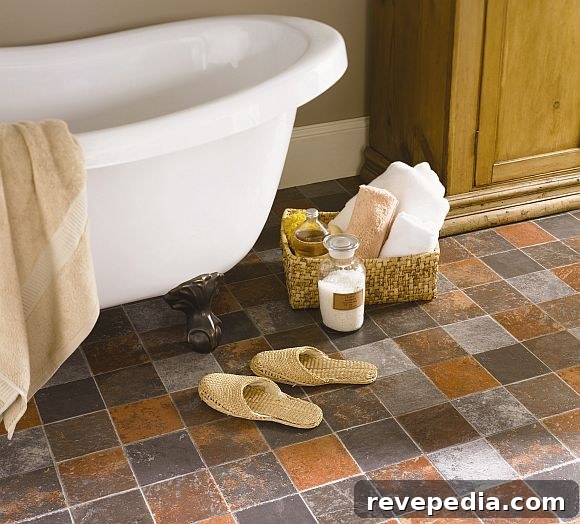
Photo: Easy Living Savannah Flagstone, courtesy of Tarkett