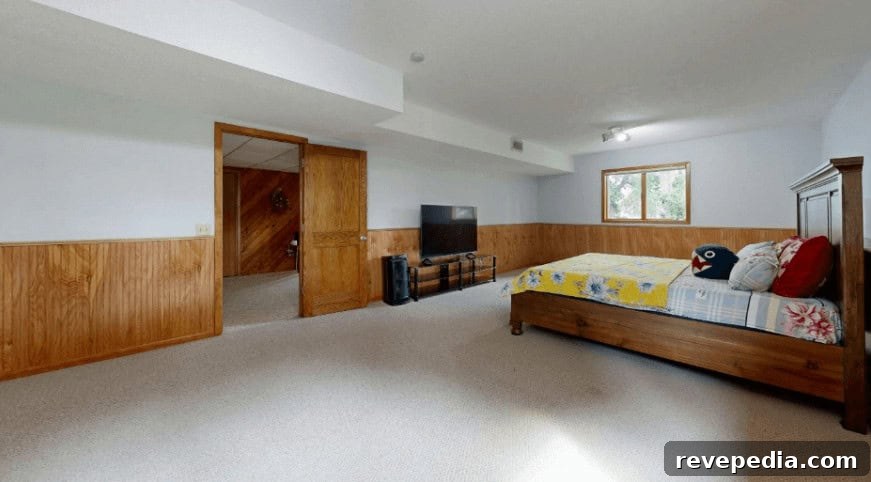
You go downstairs to grab something from storage and find yourself stepping around boxes left unopened for years. The light is dim and the air is cooler than the rest of the house. Though it counts as square footage you own, it rarely feels like usable living space. Many basements sit in that awkward place: too valuable to ignore, yet too unfinished to enjoy.
More homeowners are recognizing this wasted potential. As homes become fuller and lifestyles change, the basement is increasingly seen as opportunity rather than simply storage. Modern renovation isn’t always about building an addition; it’s often about using the space you already have more intelligently.
Rethinking the Role of the Basement
Before drywall goes up or flooring is laid, the first change must be in how you perceive the space. Basements are often treated as secondary: concrete floors, exposed beams, and minimal lighting reinforce that attitude. Yet structurally, a basement typically matches the main floor footprint, and that matters.
Converting an underused basement into a comfortable retreat doesn’t begin with paint swatches. It begins with moisture control, proper insulation, and correct framing. Basements behave differently than upper levels because they sit close to the ground; temperature and humidity must be managed deliberately.
If these basics are overlooked, the space will never feel truly comfortable. That’s why many homeowners choose to work with experienced basement finishing professionals who address structural and environmental issues first. Once those are solved, design choices become much more effective and enduring.
From Storage Zone to Intentional Space
A common mistake is finishing a basement without deciding what it will be used for. Placing a couch and television in a room doesn’t automatically give it purpose; the space needs a defined role.
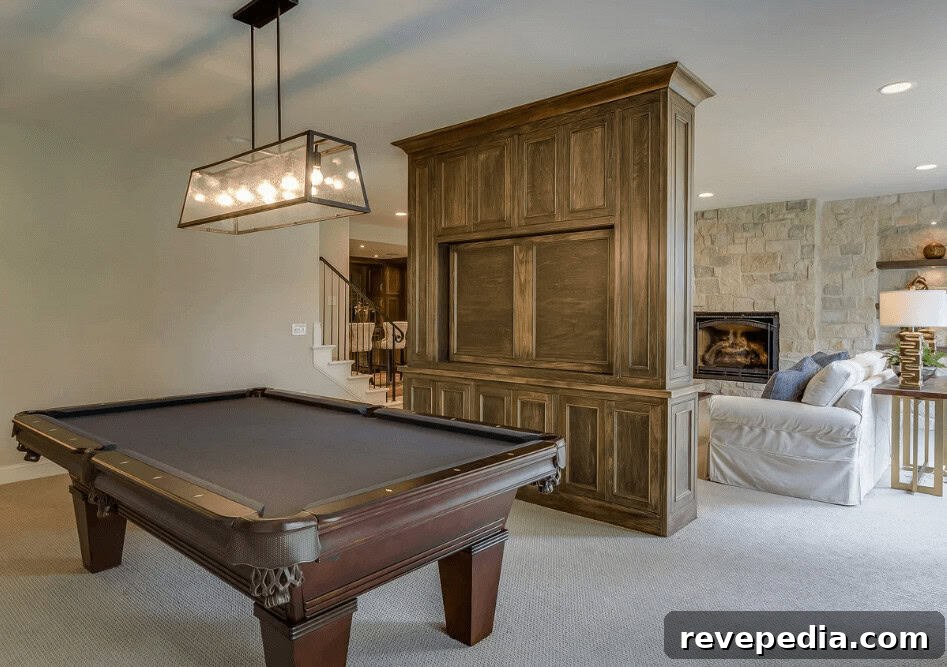
Different households have different needs: a quiet home office away from kitchen noise, a media room where teenagers can gather without taking over the upstairs living room, or a semi-private suite for multi-generational living. Changing consumer habits—more remote work, indoor fitness routines, and streaming entertainment—have made lower-level spaces more relevant than ever.
When the intended function is clear, layout decisions follow naturally. Walls and partitions are placed with purpose, lighting is planned around actual use, and storage becomes built-in instead of improvised.
Light Changes Everything
Poor lighting is a major reason basements feel uninviting. Small windows and low ceilings can make the space feel cramped, but that perception can be altered. There are effective ways to bring natural light into lower-level rooms and to use lighting strategies that make the area feel brighter and more open.
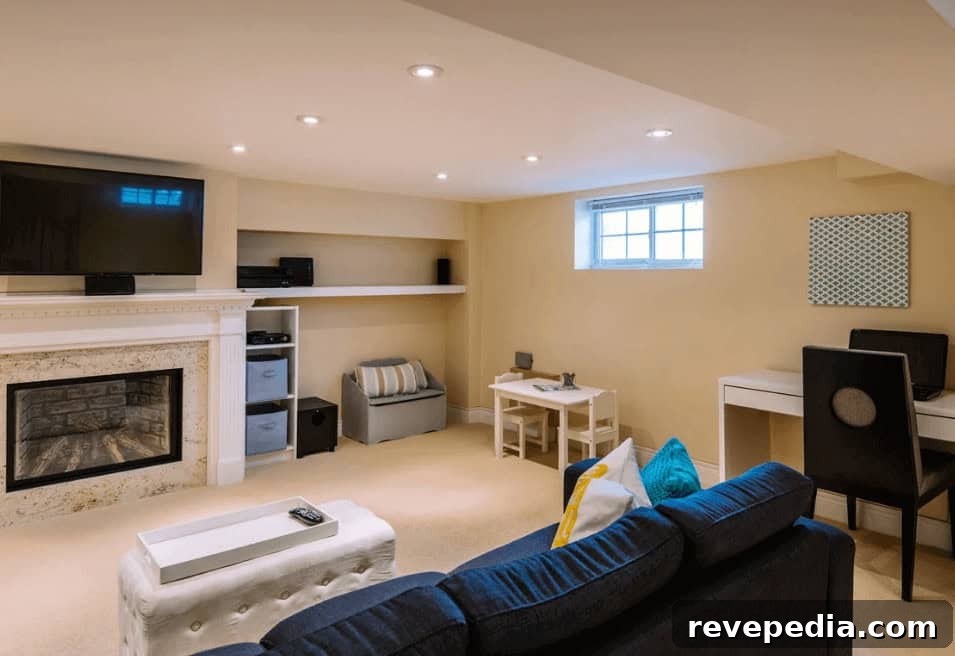
Layered lighting is key. Recessed ceiling lights provide even general illumination without cutting into headroom. Wall sconces add warmth, while floor lamps and task lighting help define zones within an open floor plan.
Paint color also influences perception: lighter neutrals reflect available light more effectively than dark hues. Thoughtful contrast and selective use of color prevent blandness while helping the room feel airy. Mirrors, when placed strategically, reflect both natural and artificial light, visually expanding the space and reducing that subterranean feeling.
Temperature and Comfort Matter More Than Style
Basements are naturally cooler; without proper insulation and HVAC planning, that chill can linger and deter use. Comfort should be addressed early in the renovation process rather than after finishes are installed.
Insulated subfloor systems keep floors warmer, and area rugs add comfort and softness underfoot. Extending or adapting heating and cooling systems so the lower level receives balanced airflow helps the basement feel like a true extension of the home rather than a separate, colder zone.
Acoustics are important too. Sound behaves differently on lower levels—insulating walls and ceilings reduces echoes and prevents noise from traveling throughout the house. These practical measures may not be glamorous, but they determine whether the space will actually be used.
Designing for Flexibility
A basement retreat doesn’t have to be locked into one function for forever. Designing with flexibility in mind often yields longer-term satisfaction. Open plans with movable furnishings allow the space to evolve: a playroom for young children can transition to a study or lounge later; a workout corner can become a hobby area. Built-in storage keeps clutter under control as needs shift, and durable finishes stand up to changing uses.
Flexibility is particularly valuable for households whose needs change quickly; planning for adaptability prevents the need for more renovations down the road.
Adding a Bathroom or Wet Bar
Including a bathroom or a small wet bar can increase both convenience and functionality. A downstairs bathroom makes the lower level feel more autonomous—guests and family members using the space for extended periods don’t need to go upstairs. A modest sink and cabinet setup supports entertaining or casual gatherings without requiring elaborate plumbing.
Plumbing additions raise the project’s complexity: drainage, existing lines, and code requirements must all be evaluated. But when properly planned and executed, these amenities make the basement feel like a self-contained living area rather than a mere extension of storage.
The Value Question
Homeowners often ask whether finishing a basement adds value. Finished basements increase usable square footage in ways that appeal to many buyers. While resale return varies by market and project quality, functional lower-level living is commonly viewed as an asset.
More importantly, a finished basement adds everyday value during ownership. It relieves pressure on shared spaces upstairs, provides privacy, and expands how the household can live and entertain. That personal value is harder to quantify but easier to appreciate.
Basement Finishing Checklist: What to Do Before You Start
Before framing, drywall, or flooring begins, work through this practical checklist. Skipping early steps often leads to costly repairs and frustration later.
1. Check for Moisture Issues
- Inspect walls and floors for cracks and gaps.
- Look for water stains, efflorescence, or mold.
- Measure humidity levels over time to detect persistent dampness.
- Seal foundation cracks and consider a vapor barrier when appropriate.
Effective moisture control is the foundation of any successful basement renovation.
2. Review Local Building Codes and Permits
- Confirm minimum ceiling height requirements.
- Verify egress window regulations for any bedrooms.
- Obtain required permits before beginning framing, electrical, or plumbing work.
Permits and inspections protect safety and future resale value.
3. Plan Insulation and Subflooring
- Choose insulation products rated for below-grade conditions.
- Consider insulated subfloor panels to reduce cold floors and potential moisture transfer.
- Avoid materials that trap moisture against concrete and promote mold.
Comfort begins at the floor and builds upward.
4. Map Out Electrical Needs
- Plan outlets according to the intended uses of each area.
- Provide dedicated circuits for home offices, media centers, or gym equipment.
- Decide recessed lighting locations and wiring needs before framing is complete.
Underestimating electrical needs is a common and costly mistake.
5. Evaluate HVAC and Ventilation
- Determine whether your current HVAC system can comfortably handle the added space.
- Consider adding return vents or balancing dampers to ensure even airflow.
- Install dedicated dehumidification if the basement tends to run damp.
A finished basement should feel consistent with the rest of the home in temperature and air quality.
6. Define the Purpose of the Space
- Home office
- Media room
- Guest suite
- Home gym
- Multi-use family area
Clear function guides layout, lighting, and storage choices, helping prevent wasted space.
Avoiding Common Pitfalls
Rushing design decisions or trying to force a basement to feel like an upstairs room often leads to disappointment. Embrace lower ceilings by avoiding oversized fixtures that crowd the space. Never skip moisture mitigation to save time or money. Underestimating electrical needs, ignoring permits, or cutting corners on inspections can create headaches down the line. Thoughtful planning—even if it requires more time—yields smoother, longer-lasting results.
Conclusion
Transforming an underused basement isn’t about dramatic before-and-after photography. It’s about reclaiming useful square footage that was already part of your home. The change happens gradually: boxes disappear, walls take shape, lighting warms the room, and the space becomes intentional. When the basement stops being a place you visit only to fetch stored items and becomes a place you choose to spend time, the transformation is complete—not because it looks impressive, but because it finally works for your life.