The persistent drought affecting California and much of the western United States makes it essential to reassess how we use water in our landscapes. Potable water is limited, and traditional lawns and irrigation systems consume large volumes. Routine lawn maintenance—like watering, fertilizing, and caring for equipment—adds to both water use and household expenses. Converting a conventional lawn to a drought-tolerant landscape lowers water demand, reduces chemical inputs, and can simplify upkeep.
Below are practical steps to transform a water-intensive lawn into an attractive, low-water landscape using drought-tolerant and native plants.
Lawns often require chemical fertilizers and pesticides that can harm the surrounding environment. By replacing turf with drought-tolerant species—native grasses, wildflowers, and succulents—you’ll cut maintenance needs, reduce chemical use, and create a healthier habitat for local wildlife.
Start with a Plan
Don’t rush into removing turf. Successful conversions begin with careful planning. Look for yard and landscape designs that appeal to you and fit your local climate and soil. Talk with neighbors and local homeowners who have made similar changes to learn about their plant choices and actual water use. Local landscape designers and nurseries are also helpful resources when planning your layout and selecting appropriate species.
A solid plan should address more than plants: include paved walkways, stone or gravel beds, mulch, and proper drainage to prevent standing water. Drought-tolerant plants generally need excellent drainage to thrive.
Remove Your Old Lawn
Use a sod cutter to remove existing turf efficiently. Instead of discarding the sod, consider selling or giving it away to someone who can reuse it.
Build Landscape Features
After removing the turf, shape the space by creating raised beds, swales, rock or gravel areas, and walkways. These features add visual interest and help organize planting zones according to water needs. Remember that many drought-tolerant plants will fail if left in pooled water, so design slopes and drainage accordingly.
Select and Plant Your Plants
Visit a reputable nursery to identify native and drought-adapted plants suitable for your area. Native species are already adapted to local conditions and typically require less supplemental water, fertilizer, and pesticides once established.
Many native plants thrive on natural rainfall and require only light supplemental irrigation while becoming established. Avoid overwatering—once roots develop, most will flourish with modest, infrequent watering.
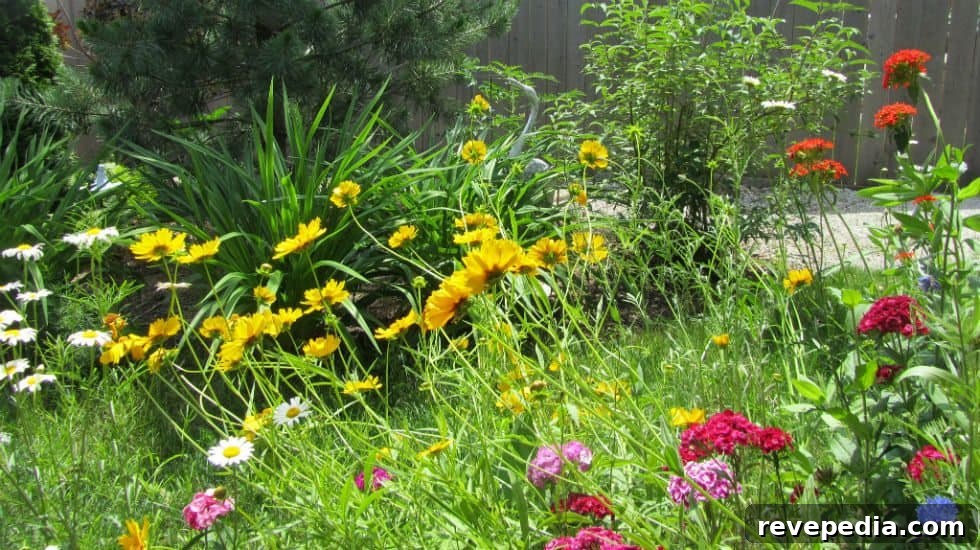
Native plantings often look more natural and dynamic than a monoculture lawn, changing with the seasons and providing varied textures and colors. This seasonal variety reduces the worry of a brown lawn and enhances year-round curb appeal.
Be mindful of aggressive spreaders like certain vines or groundcovers that can outcompete other plants. Some native species are sold as seeds and will need careful hand-watering and protection until they establish. Group plants with similar water needs together to make irrigation simpler and more efficient.
Nature Returns
As native and drought-adapted plants take hold, you’ll likely see an increase in local wildlife. Pollinators, birds, and beneficial insects are drawn to diverse plantings. Adding features such as a birdhouse, native nectar plants, and shallow water sources (designed to conserve water) can encourage wildlife to visit and even take up residence.
Incentives and Rebates
In some regions, utilities and water districts offer rebates to encourage turf removal and conversion to drought-tolerant landscaping. For example, programs may provide financial incentives that pay per square foot of turf removed, sometimes with a residential cap on reimbursement. Check with local water agencies for current programs, eligibility, and application requirements before you begin your project.
Gentle Care
Once established, native and drought-tolerant plants are resilient and require only light, infrequent irrigation. Mulching helps retain soil moisture and suppress weeds. Prune and maintain plants as needed to preserve form and health, but avoid excessive fertilization or harsh treatments.
When cleaning around delicate plantings, use low settings on blowers and other powered tools to avoid damaging foliage or uprooting seedlings. Reserve high-powered modes for clearing hard surfaces like sidewalks and driveways.
Photo credits embedded in original image metadata.